




Menu

Water Bug & Pest Infestations in Washington, D.C. – Expert Moisture Control Stops Roaches at the Source

When water damage creates breeding grounds for oriental cockroaches and sewer roaches, Reliance Water Damage Restoration Washington DC eliminates the moisture that attracts them, protecting your property from recurring damp environment insects.

Slider Image 1
Slider Image 2
Slider Image 3
Slider Image 4
Slider Image 5
Slider Image 7
Slider Image 8
Slider Image 9
Slider Image 10
Slider Image 11

Why Washington, D.C. Properties Struggle with Water Bugs and Moisture-Related Pest Infestations

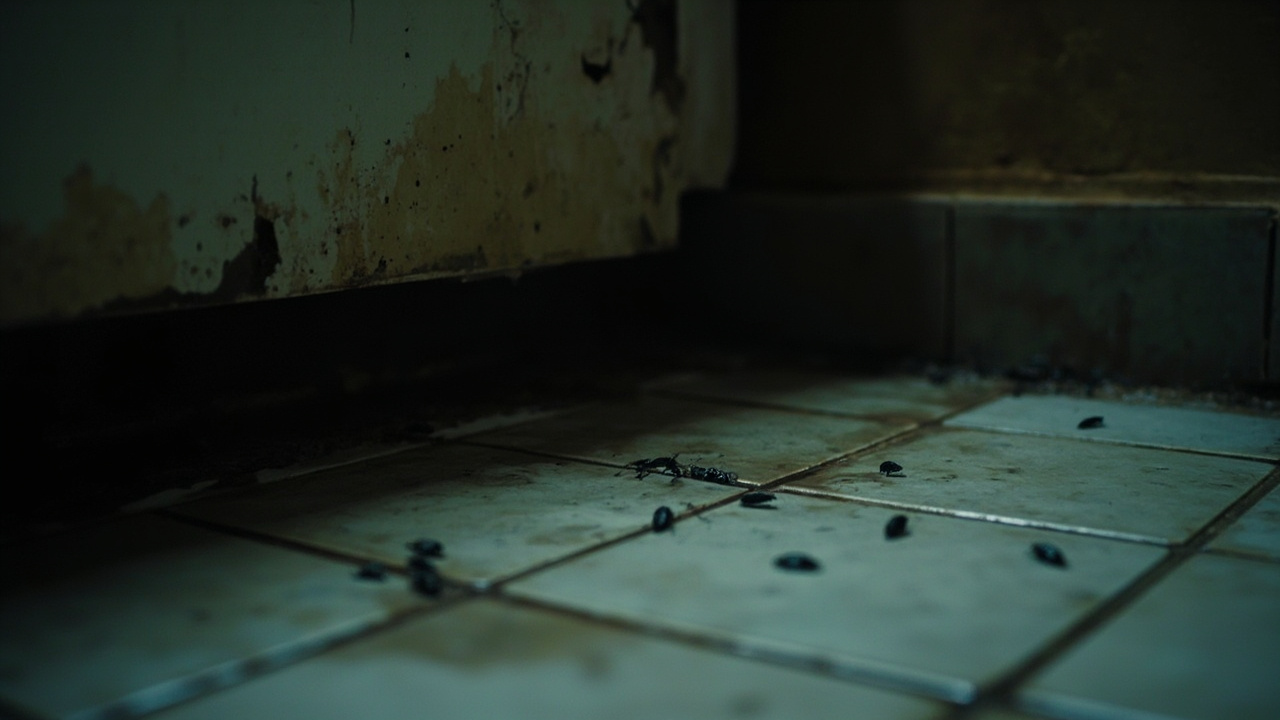
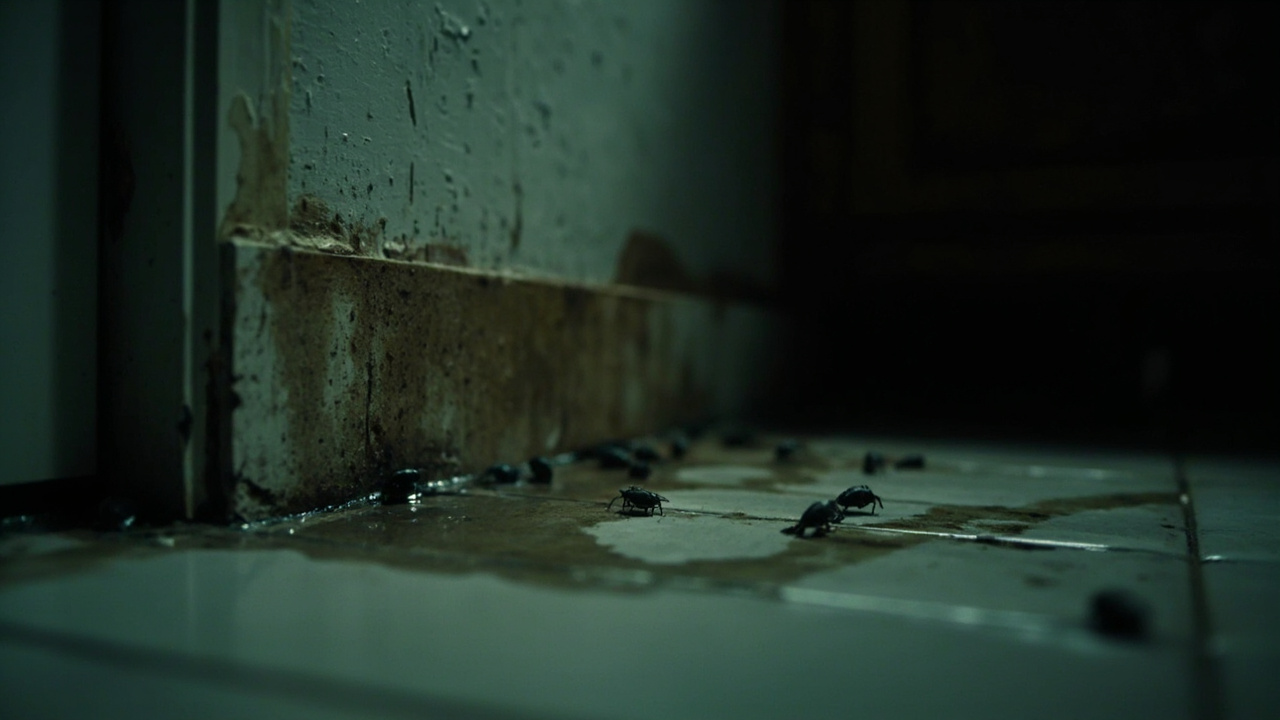
You see them scurrying across bathroom floors at night. Large, dark, oily-looking roaches that appear after heavy rain or in basements that smell damp. Washington, D.C.'s humid subtropical climate, combined with aging infrastructure in Georgetown and Capitol Hill rowhouses, creates perfect conditions for oriental cockroach problems and sewer roach infestations.

The city's proximity to the Potomac and Anacostia Rivers elevates groundwater tables throughout Ward 6 and Southwest neighborhoods. Summer humidity regularly exceeds 70 percent. Older properties built before modern waterproofing codes allow condensation to accumulate in crawl spaces and foundation walls. That persistent moisture attracts water damage roaches, which thrive in environments above 75 percent relative humidity.

Water bugs congregate where water damage exists. Leaking pipes behind kitchen cabinets, failed sump pumps in Dupont Circle basements, and compromised foundation seals in Capitol Hill create breeding sites. These damp environment insects do not appear because your home is dirty. They appear because moisture exists where it should not.

The roaches you see represent a larger infestation hidden in wall cavities, beneath appliances, and inside damaged subflooring. Pesticides kill visible insects but do nothing to address the water intrusion that brought them. Within weeks, new populations emerge from eggs laid in moist organic matter.

Effective control requires eliminating the moisture source. When relative humidity drops below 50 percent and standing water disappears, oriental cockroaches cannot complete their life cycle. The environment becomes inhospitable. That is where water damage restoration intersects with pest control.

Why Washington, D.C. Properties Struggle with Water Bugs and Moisture-Related Pest Infestations
How Professional Moisture Remediation Eliminates Roach Habitats

How Professional Moisture Remediation Eliminates Roach Habitats

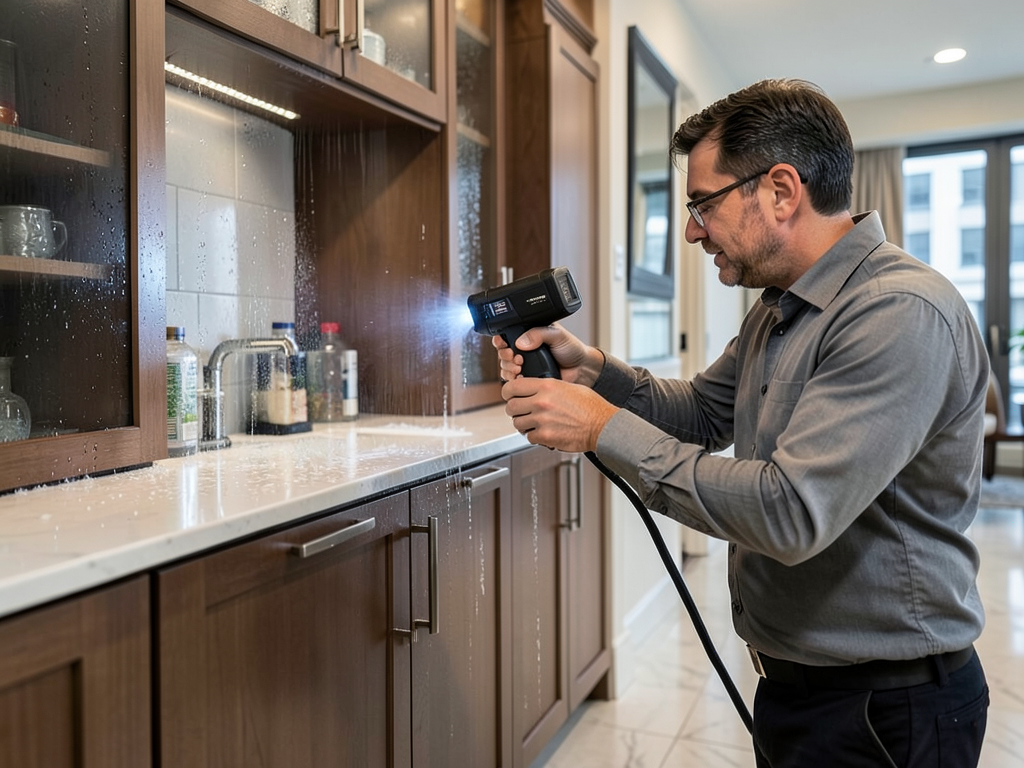
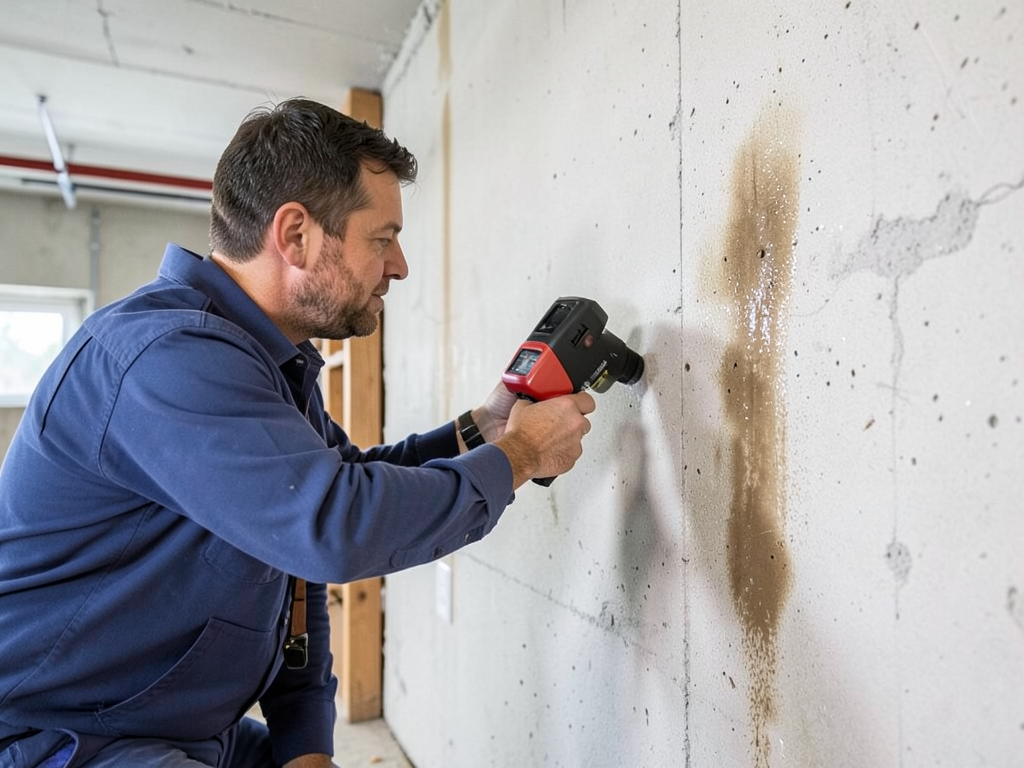
Reliance Water Damage Restoration Washington DC addresses moisture-related pest infestations by targeting the environmental conditions that sustain them. We use thermal imaging cameras to identify hidden moisture in wall cavities and beneath flooring where oriental cockroaches nest. Moisture meters measure exact humidity levels in wood framing and drywall. These diagnostics reveal the full scope of water intrusion.

We extract standing water using truck-mounted pumps and industrial wet vacuums. In Georgetown basements with chronic seepage, we install interior drainage systems that channel groundwater away from foundation walls before it enters living spaces. Vapor barriers prevent ground moisture from rising through concrete slabs common in 1950s-era ranchers in Northeast D.C.

Commercial-grade dehumidifiers reduce relative humidity to 40-45 percent, creating conditions where water damage roaches cannot survive. Air movers circulate air behind baseboards and inside wall cavities to dry hidden moisture pockets. We monitor humidity continuously using hygrometers until materials reach equilibrium moisture content.

For sewer roach infestations linked to plumbing failures, we coordinate with licensed plumbers to repair broken drain lines and backflow issues. Damaged subflooring saturated with organic waste gets removed and replaced. Antimicrobial treatments eliminate odor-causing bacteria that attract insects.

We seal entry points where roaches access interior spaces. Gaps around pipe penetrations, cracks in foundation walls, and deteriorated door sweeps get sealed with hydraulic cement and weatherstripping. This containment prevents re-infestation while moisture levels normalize.

The goal is habitat elimination. When moisture disappears, damp environment insects relocate or die. No toxic sprays in living areas. No temporary fixes. Just permanent environmental modification that makes your property uninhabitable for water bugs.

What Happens During a Moisture-Driven Pest Remediation

Water Bug & Pest Infestations in Washington, D.C. – Expert Moisture Control Stops Roaches at the Source
01

Moisture Mapping

We inspect basements, crawl spaces, and areas where you have seen roaches. Thermal cameras detect temperature differentials caused by evaporative cooling from hidden moisture. Moisture meters probe walls, floors, and wooden structural members. We document relative humidity in each affected room. This data identifies where water intrusion occurs and which materials support roach populations. You receive a moisture map showing problem areas.
02

Water Extraction and Drying

We remove standing water and deploy industrial dehumidifiers and air movers. Drying equipment runs continuously until moisture content drops below thresholds that support oriental cockroach survival. We monitor progress daily using moisture meters. In severe cases involving saturated subflooring or insulation, we remove damaged materials that cannot be dried effectively. Structural drying typically requires 72 hours to seven days depending on material porosity and saturation depth.
03

Habitat Prevention

Once materials dry, we seal entry points and install moisture barriers to prevent recurrence. Foundation cracks get filled with hydraulic cement. Vapor barriers go beneath crawl spaces. Exterior grading improvements redirect surface water away from foundations. We provide humidity monitoring recommendations and discuss dehumidifier placement for long-term control. The result is an environment where water damage roaches cannot establish populations. Your property stays dry and pest-free without ongoing chemical treatments.

Why D.C. Homeowners Choose Local Water Damage Experts for Roach Problems

Pest control companies spray insecticides. We eliminate the water that attracts roaches in the first place. That distinction matters in Washington, D.C., where 60 percent of housing stock predates 1970 and lacks modern moisture barriers.

Reliance Water Damage Restoration Washington DC understands how the city's clay soils expand during wet seasons, creating hydrostatic pressure against basement walls in Capitol Hill and Shaw. We know that rowhouse party walls often lack proper damp-proofing between units, allowing moisture to migrate laterally. We have worked in Adams Morgan walkups where cast iron drain stacks corrode and leak inside wall cavities, creating perfect breeding sites for sewer roaches.

We hold certifications from the Institute of Inspection, Cleaning and Restoration Certification. Our technicians understand building science principles that govern moisture movement through masonry, wood framing, and concrete. We do not guess. We measure, diagnose, and remediate based on data.

You do not need two contractors. One handles moisture. The other handles pests. When water damage drives the infestation, addressing moisture solves both problems simultaneously. We coordinate with pest control professionals when chemical treatments complement structural drying, but we prioritize environmental modification over repeated spraying.

Our familiarity with D.C. building codes ensures compliance when moisture remediation involves structural repairs. We document all work for insurance claims related to water damage. You receive detailed moisture readings, photos of affected areas, and explanations of how water intrusion occurred.

We respond to properties throughout Northwest, Northeast, Southeast, and Southwest D.C. Our trucks carry extraction equipment, dehumidifiers, air movers, and moisture detection tools. We start drying immediately. The faster moisture disappears, the faster roach populations decline.

Choosing a water damage specialist for moisture-related pest infestations addresses the root cause. Surface treatments provide temporary relief. Moisture elimination provides permanent solutions.

What to Expect When You Call About Water Bugs and Moisture Issues

Immediate Response Availability

We dispatch technicians within two hours for emergency water damage situations where active leaks create roach-friendly conditions. For non-emergency moisture assessments related to chronic oriental cockroach problems, we schedule inspections within 24 hours. Evening and weekend appointments accommodate your schedule. We understand that damp environment insects become more active at night, so we offer inspection times when you actually see the problem. Rapid response prevents moisture from spreading into additional building materials.

Comprehensive Moisture Assessment

Our inspection includes thermal imaging of walls, ceilings, and floors to detect hidden moisture. We measure relative humidity in each room using calibrated hygrometers. Moisture meters probe suspect materials to determine saturation levels. We inspect crawl spaces, basements, and attics for condensation sources. You receive a written assessment explaining where moisture originates, which materials are affected, and how conditions support water damage roaches. We photograph problem areas and mark moisture locations on a property diagram. This documentation supports insurance claims if water damage resulted from covered perils.

Measurable Drying Results

We establish baseline moisture readings before drying begins and monitor progress daily. You see exactly how moisture content drops in affected materials. We provide daily logs showing relative humidity levels and moisture meter readings. Drying equipment stays in place until materials reach industry-standard dry goals, typically 12-15 percent moisture content for wood framing and below 1 percent for concrete. We do not remove equipment prematurely. Once materials dry completely, conditions that supported sewer roach infestations no longer exist. Most clients notice reduced roach activity within 72 hours as humidity drops.

Long-Term Moisture Management

After initial remediation, we recommend monitoring tools and maintenance practices that prevent moisture recurrence. This includes hygrometer placement to track humidity trends, dehumidifier sizing for your specific square footage, and seasonal maintenance for sump pumps and foundation drainage. We provide written guidance on exterior grading improvements, gutter maintenance, and ventilation upgrades that reduce moisture intrusion risk. If moisture returns due to new plumbing failures or foundation cracks, we offer follow-up assessments at reduced rates. Our goal is permanent moisture control that keeps your property free from conditions that attract oriental cockroaches and other damp environment insects.

Frequently Asked Questions

You Have Questions,
We Have Answers

How to get rid of a waterbug infestation? +

Eliminate water bugs by cutting off their resources. Fix leaking pipes, drain standing water, and seal cracks around baseboards, doors, and windows. Remove food debris from kitchens and bathrooms. Apply boric acid powder in dry areas like wall voids and under appliances. Set sticky traps near entry points to monitor activity. In Washington, D.C., where humid summers and aging row home plumbing create ideal conditions, you may need professional treatment. Exterminators use targeted gel baits and residual insecticides in hard-to-reach areas. Address moisture problems in basements and crawl spaces immediately to prevent reinfestation.

What causes water bugs in your house? +

Water bugs enter homes searching for moisture, food, and warmth. Leaking pipes, damp basements, and condensation around HVAC systems attract them. They squeeze through gaps under doors, cracks in foundations, and utility line entry points. In Washington, D.C., older homes near Rock Creek Park or along the Anacostia River face higher risk due to proximity to natural water sources. Clogged gutters and poor drainage push water bugs indoors during heavy rains. Humid summers create perfect breeding conditions. Pet food left out overnight, garbage disposal residue, and cardboard storage boxes provide food sources that keep populations thriving.

How do you know if you have a waterbug infestation? +

You have a water bug problem if you spot large, dark brown insects near sinks, tubs, or drains, especially at night. Check for shed exoskeletons in basements, crawl spaces, or behind appliances. You may notice a musty, oily odor in infested areas. Droppings appear as small, dark specks near water sources. In Washington, D.C. homes, inspect around water heaters, under kitchen sinks, and in damp basement corners. Look for egg casings in hidden spaces. Seeing one water bug during daylight hours often signals a larger population hiding nearby. Multiple sightings within days confirm active infestation requiring immediate treatment.

What is the hardest bug infestation to get rid of? +

Bed bugs are the hardest infestation to eliminate. They hide in microscopic cracks, survive months without feeding, and resist many pesticides. Their eggs are nearly invisible and hatch in waves, requiring multiple treatments. German cockroaches come second due to rapid reproduction and pesticide resistance. In Washington, D.C., where dense housing and transient populations in neighborhoods near Capitol Hill and Dupont Circle facilitate spread, bed bugs require specialized heat treatments or fumigation. Water bugs, while stubborn, respond faster to moisture control and targeted baits. Termites demand long-term monitoring but professional treatments show reliable results with proper follow-up.

How D.C.'s Historic Rowhouse Construction Creates Oriental Cockroach Habitats

Washington, D.C. contains over 40,000 rowhouses built between 1870 and 1950, most concentrated in Capitol Hill, Shaw, and Columbia Heights. These attached homes share party walls constructed from porous brick with minimal moisture barriers. When one unit experiences water damage from leaking pipes or foundation seepage, moisture migrates through shared walls into adjacent properties. Basements often feature dirt floors or thin concrete slabs poured directly over clay soil. Summer humidity condenses on cool foundation walls, creating surface moisture that attracts water bugs. Cramped crawl spaces beneath front stoops trap moisture and provide protected harborage for sewer roaches. The architectural charm that defines D.C. neighborhoods also creates structural vulnerabilities that support moisture-related pest infestations.

Reliance Water Damage Restoration Washington DC has remediated moisture issues in historic D.C. properties for years. We understand preservation requirements for homes in historic districts where exterior modifications require approval. Our moisture solutions work within these constraints, using interior drainage systems and vapor barriers that do not alter protected facades. We coordinate with D.C. Department of Consumer and Regulatory Affairs when structural repairs require permits. Our familiarity with local building stock means we recognize common failure points in 1920s plumbing systems and deteriorated foundation mortar specific to D.C. rowhouses. This local expertise delivers moisture solutions that respect your property's history while eliminating conditions that attract water damage roaches.
Water Damage Restoration Services in The Washington DC Area

While we primarily offer mobile, on-site water damage restoration services throughout Washington D.C., you can view our main operational hub and service area on the map below. We are strategically located to ensure rapid deployment and efficient response times to all emergencies across the region, bringing our expert services directly to your property wherever you are within our service footprint.

Address:
Reliance Water Damage Restoration Washington DC, 200 Massachusetts Ave NW, Washington, DC, 20001

Additional Services We Offer

Our news updates

Latest Articles & News from The Blogs

Why Your New Condo at The Wharf Might Experience Balcony Drainage Flooding Living in a luxury condo at The Wharf…

Why Your New Condo at The Wharf Might Experience Balcony Drainage Flooding

Why Your New Condo at The Wharf Might Experience Balcony Drainage Flooding Living in a luxury condo at The Wharf…

Dealing with Potomac River Seepage in Your Georgetown Waterfront Retail Space

Dealing with Potomac River Seepage in Your Georgetown Waterfront Retail Space Georgetown's waterfront retail spaces face unique water damage risks…

What Every DC Homeowner Needs in a Flood Emergency Kit Before the Next Storm Hits

What Every DC Homeowner Needs in a Flood Emergency Kit Before the Next Storm Hits Washington DC homeowners face unique…

Contact Us

Roaches thrive in damp conditions. We eliminate the moisture. Call Reliance Water Damage Restoration Washington DC at (771) 223-8077 for a comprehensive moisture assessment. We respond quickly to properties throughout D.C. and provide solutions that address the root cause of your water bug problem.