Why Your AC Unit is Leaking Through the Ceiling of Your Penn Quarter Condo
Your ceiling is dripping water from the air conditioning vent and you’re not sure what to do next. This is a common emergency in Penn Quarter’s high-rise condos where HVAC units are often tucked into small mechanical closets or directly above living spaces. The immediate threat isn’t just water damage to your drywall and flooring – it’s the potential for mold growth within 24-48 hours in DC’s humid climate and the risk of electrical hazards if water reaches light fixtures or wiring. Immediate Burst Pipe Response for Arlington VA Apartment Managers.
The most frequent cause is a clogged condensate drain line that backs up into the drain pan until it overflows. In Penn Quarter’s older buildings, these drain lines can accumulate algae, dust, and debris over years of operation. A secondary drain pan with a safety switch should prevent overflow, but many units lack this critical protection or the switch has failed. Other causes include a rusted or cracked primary drain pan, frozen evaporator coils from low refrigerant or dirty filters, or even a refrigerant leak causing ice buildup that melts and drips through the ceiling.
The first step is to turn off your HVAC system immediately at the thermostat to stop more water from accumulating. Place buckets under the leak and move valuables away from the affected area. Do not touch any electrical fixtures near the water. The next 24 hours are critical – mold spores can begin colonizing damp drywall and insulation in this humid environment, turning a simple leak into a major remediation project. Specialist Mold Remediation for Historic Georgetown Properties.
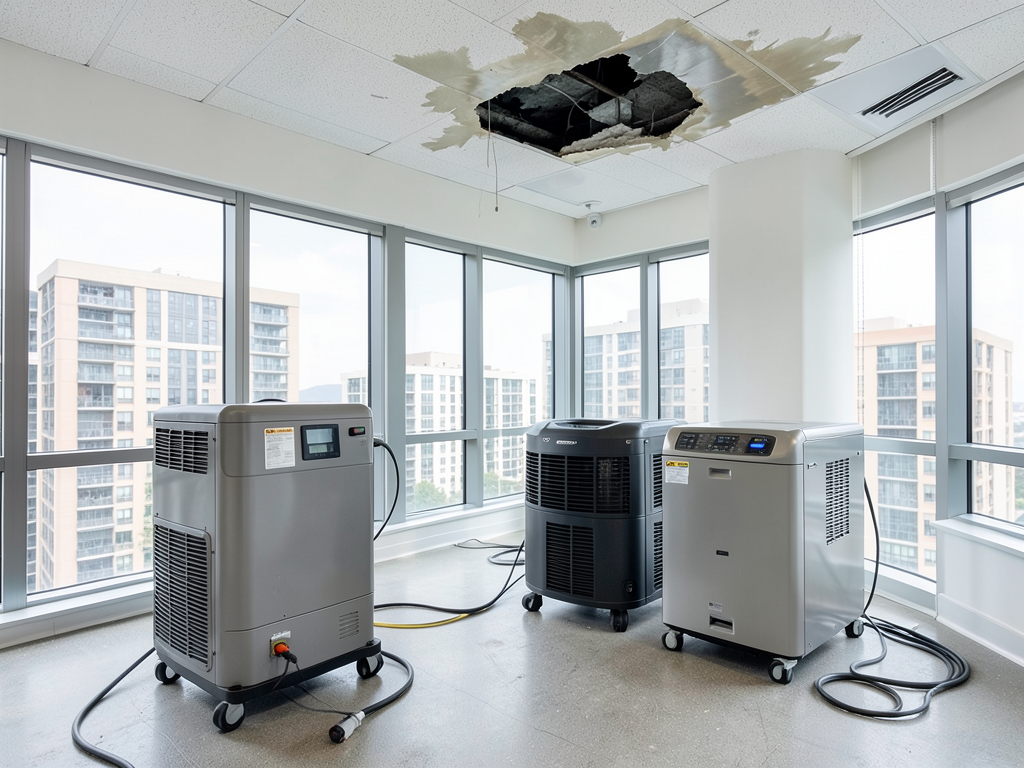
Professional water damage restoration goes beyond just fixing the AC leak. We extract standing water, set up commercial-grade dehumidifiers and air movers, remove saturated drywall if needed, and treat all affected areas with antimicrobial solutions to prevent mold growth. In Penn Quarter’s historic and modern mixed-use buildings, we also coordinate with building management about access to mechanical rooms and ensure all work meets DC Water and Sewer Authority regulations for condensate discharge. Fast Water Extraction for Commercial Offices in Downtown DC.
The cost of restoration depends on the extent of damage, but waiting even 48 hours can double the price as mold remediation becomes necessary. Most homeowners insurance policies cover sudden AC leaks, but documentation is key – photos of the initial damage and professional drying logs help ensure your claim is processed smoothly. Water Damage Restoration Bethesda.
If you’re seeing water dripping from your ceiling vent or noticing water stains spreading across your ceiling, don’t wait. The structural integrity of your ceiling, your indoor air quality, and your electrical safety are all at risk. Call (771) 223-8077 now for emergency water damage restoration in Penn Quarter and throughout Washington DC. We’ll respond within 60 minutes to stop the damage and begin the restoration process. Emergency Water Damage Cleanup for Capitol Hill Rowhouses.
Common Causes of AC Ceiling Leaks in Penn Quarter Condos
Understanding why your AC is leaking helps prevent future incidents. Here are the most common failure points we see in Penn Quarter’s high-rise buildings:
- Clogged Condensate Drain Line
The white PVC pipe that carries condensation away from your evaporator coil can become blocked by algae, mold, dust, or debris. When this happens, water backs up into the drain pan until it overflows through the ceiling. Penn Quarter’s older buildings often have drain lines that haven’t been cleaned in years.
- Failed Secondary Drain Pan
Most AC units should have a secondary drain pan underneath the primary one as a backup. If this pan is rusted, cracked, or missing, there’s no second line of defense when the primary pan overflows. We frequently find rusted secondary pans in units over 10 years old.
- Frozen Evaporator Coils
When airflow is restricted by dirty filters or refrigerant is low, the evaporator coil can freeze. When it thaws, the excess water overwhelms the drain system. You might notice reduced cooling performance before the leak starts.
- Damaged Drain Pan
The primary drain pan under your evaporator coil can develop cracks or rust holes over time. Water then drips directly through your ceiling instead of flowing to the drain line. This is especially common in older units exposed to Penn Quarter’s humidity.. Read more about How DC’s Intense Summer Humidity Turns a Small Window Leak in Marshall Heights Into a Mold Jungle.
Immediate Steps to Take When Your Ceiling is Leaking from AC
Quick action can prevent thousands of dollars in additional damage. Here’s what to do immediately:
- Turn off the AC at the thermostat to stop water production
- Place buckets or towels under the leak to catch dripping water
- Move furniture, electronics, and valuables away from the affected area
- Do not touch any light fixtures or electrical outlets near the water
- Check if your building has a maintenance emergency line for HVAC issues
- Call a professional water damage restoration company immediately
Time is critical. In Washington DC’s humid climate, mold can begin growing within 24-48 hours on damp surfaces. The longer you wait, the more extensive and expensive the damage becomes.
Hidden Dangers of AC Ceiling Leaks
Many Penn Quarter residents underestimate the risks beyond the obvious water damage. Here are the hidden dangers we frequently encounter:. Read more about The Hidden Cost of Ignoring That Small Yellow Water Spot on Your Adams Morgan Boutique Ceiling.
| Danger | Timeline | Potential Cost |
|---|---|---|
| Mold Growth | 24-48 hours | $2,000 – $10,000+ |
| Structural Damage | 72+ hours | $5,000 – $15,000+ |
| Electrical Hazards | Immediate | $500 – $3,000+ |
| Insulation Damage | 48+ hours | $1,000 – $4,000+ |
Mold remediation in DC requires specific protocols under the District of Columbia Department of Energy and Environment regulations. We use HEPA filtration, negative air pressure, and EPA-registered antimicrobials to ensure safe removal. Electrical hazards are particularly concerning in Penn Quarter’s older buildings where wiring may not be up to current code. EPA Mold Resources.
Our DC Water Damage Restoration Process
We follow the IICRC S500 standard for professional water damage restoration. Here’s what you can expect when you call us: IICRC S500 Standard.
- Emergency Response
We arrive within 60 minutes, assess the damage, and create a restoration plan. Our technicians are IICRC certified and wear protective equipment to ensure safety.
- Water Extraction
We use truck-mounted extraction equipment to remove standing water quickly. This prevents further absorption into drywall and flooring.. Read more about Why Modern Drywall Soaks Up Water Like a Sponge Compared to the Plaster in Your Truxton Circle Home.
- Structural Drying
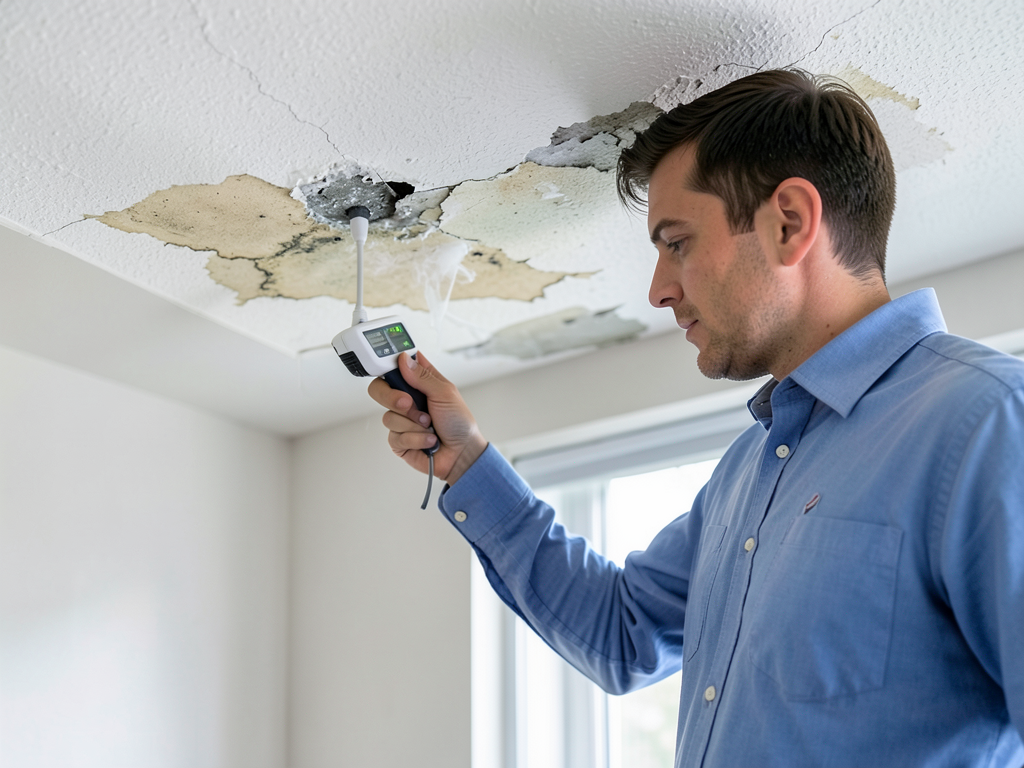
Industrial air movers and dehumidifiers are strategically placed to dry affected areas. We monitor moisture levels daily using moisture meters to ensure complete drying.
- Content Protection
We move and protect your belongings, using specialized techniques for sensitive items like documents, electronics, and artwork common in Penn Quarter condos.
- Cleaning and Sanitizing
All affected surfaces are cleaned and treated with antimicrobial solutions to prevent mold growth. We use EPA-registered products safe for indoor use.
- Restoration
We repair or replace damaged materials including drywall, flooring, and ceiling textures to return your home to pre-loss condition.
Throughout the process, we document everything for your insurance claim. We work directly with insurance adjusters to ensure you receive fair compensation for covered damages.
Why Penn Quarter’s Architecture Complicates AC Leaks
Penn Quarter’s unique building characteristics create specific challenges for AC leak restoration:
High-Rise Construction: Water can travel down multiple floors before being noticed, affecting neighboring units and common areas. We coordinate with building management to access mechanical rooms and ensure proper drainage systems.
Mixed Construction: Penn Quarter buildings often combine historic facades with modern interiors. This means varying wall compositions, from plaster in older sections to drywall in newer additions, each requiring different drying techniques.
Limited Access: Mechanical closets in high-rise buildings are often cramped, making equipment placement challenging. We use compact, high-powered equipment designed for tight spaces.
Humidity Challenges: DC’s humid summers mean water damage spreads faster and mold grows more aggressively. We use dehumidifiers with higher capacity than standard models to combat this.
Preventing Future AC Ceiling Leaks
After restoration, prevention is key. Here are maintenance steps to avoid future leaks:
- Schedule annual HVAC maintenance to clean drain lines and check for corrosion
- Install a secondary drain pan with a float switch if your unit doesn’t have one
- Replace air filters every 1-3 months to prevent airflow restrictions
- Consider installing a condensate overflow shutoff switch that automatically turns off the AC when water backs up
- Have your drain line flushed with vinegar solution annually to prevent algae growth
These simple steps can prevent the majority of AC ceiling leaks we see in Penn Quarter condos. Many property management companies now require annual HVAC inspections specifically to prevent water damage incidents.
Insurance Coverage for AC Ceiling Leaks
Most homeowners insurance policies cover sudden and accidental water damage from AC leaks, but coverage details vary. Here’s what typically applies:
Sudden Leaks: Covered if the leak is unexpected and accidental, like a drain pan failure or clogged line.
Gradual Damage: Often excluded if the leak results from lack of maintenance or wear and tear over time.
Additional Living Expenses: If damage is severe enough to require temporary relocation, many policies cover hotel costs and meals.
Mold Remediation: Coverage for mold varies by policy and is often capped at $5,000-$10,000 unless you have specific mold coverage.
We provide detailed documentation including moisture readings, drying logs, and before/after photos to support your insurance claim. Our experience with DC insurance companies helps streamline the process.
Frequently Asked Questions
How long does water damage restoration take?
Most residential projects take 3-5 days from start to finish. Emergency water extraction happens immediately, structural drying takes 2-3 days, and final repairs may take additional time depending on material availability.
Can I just fix the AC leak myself?
While an HVAC technician can fix the AC unit, they typically don’t handle the resulting water damage. You need a restoration professional to properly dry structural materials, prevent mold, and repair damaged finishes.
What if the leak affects my downstairs neighbor?
In multi-unit buildings, the unit where the leak originates is typically responsible for damages to other units. Your insurance should cover this, but document everything and notify building management immediately.
How do I know if there’s hidden water damage?
Look for water stains spreading on ceilings or walls, peeling paint or wallpaper, musty odors, or warped flooring near the affected area. Professional moisture meters can detect water behind surfaces that aren’t visible.
Is mold always a concern with ceiling leaks?
In DC’s humid climate, mold can begin growing within 24-48 hours on damp organic materials like drywall and wood. This is why rapid response and proper drying are critical.
Don’t let a ceiling leak turn into a major renovation project. Call (771) 223-8077 now for emergency water damage restoration in Penn Quarter and throughout Washington DC. We’re available 24/7 to stop the damage and protect your home.
You may also find this helpful. Why Wet Fiberglass Insulation in Your Fort Totten Attic Must Be Replaced Immediately.