
Why Wet Fiberglass Insulation in Your Fort Totten Attic Must Be Replaced Immediately
Fort Totten’s historic row houses and mid-century homes face unique water intrusion challenges. When fiberglass insulation gets wet from roof leaks or pipe bursts, it loses its thermal resistance permanently and creates a perfect breeding ground for toxic mold. Within 24 to 48 hours, Stachybotrys chartarum can colonize saturated insulation, releasing spores that compromise indoor air quality and trigger respiratory issues. The problem compounds because fiberglass acts like a sponge, wicking moisture deep into the material where it remains trapped. Unlike drywall that shows visible damage, wet insulation often hides behind walls and ceilings until the problem becomes severe. Immediate Burst Pipe Response for Arlington VA Apartment Managers.
Washington DC’s humid summers accelerate mold growth exponentially. Our region’s climate zone 4A building standards require R-49 attic insulation, but wet fiberglass drops to R-0 when saturated. That means your heating and cooling systems work overtime while your energy bills climb. The weight of waterlogged insulation also stresses ceiling joists and can lead to sagging or collapse. Insurance companies often deny claims when homeowners attempt to dry insulation themselves using fans or dehumidifiers. These methods only address surface moisture while leaving the core saturated and contaminated. Fast Water Extraction for Commercial Offices in Downtown DC.
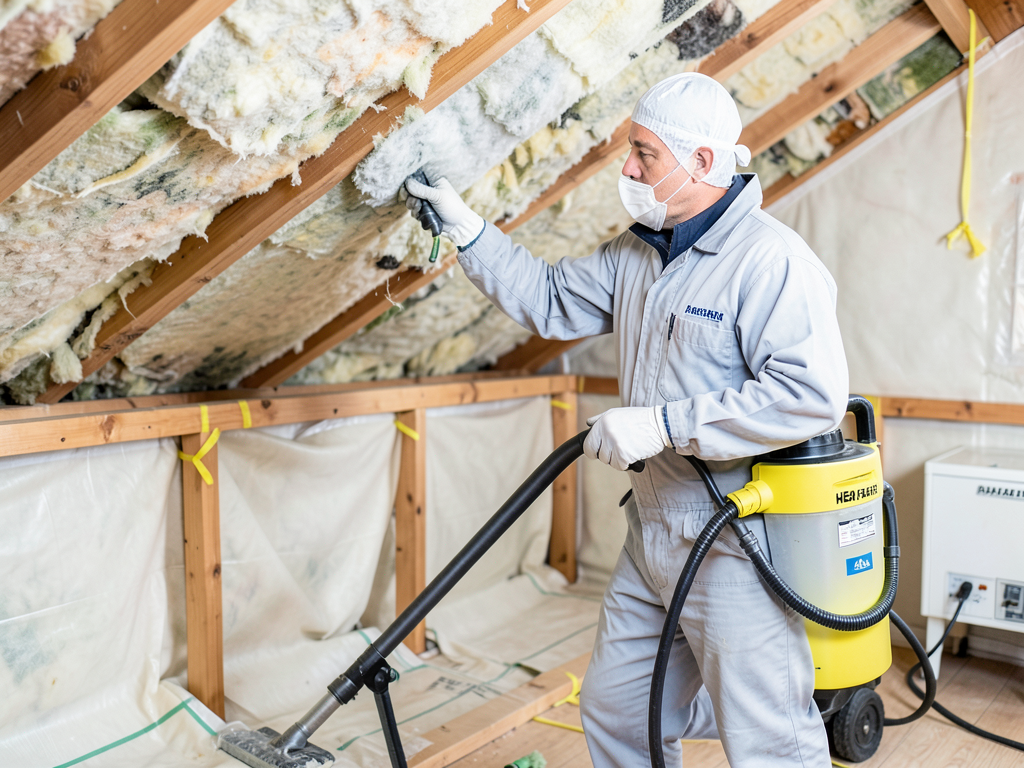
Professional removal requires industrial-grade HEPA vacuums, full-body protective equipment, and proper hazardous material containment. The process involves cutting out affected sections, bagging contaminated material on-site, and disposing of it according to DC Department of Energy & Environment regulations. We use infrared thermal imaging to detect moisture pockets that aren’t visible to the naked eye. Our technicians document every step with moisture readings and photographs for your insurance claim. The entire process typically takes 4 to 6 hours for a standard attic, but we work quickly to minimize disruption to your daily life. EPA Mold Information.
Don’t wait until you smell musty odors or see ceiling stains. By then, the damage has already spread to adjacent materials. Fort Totten’s older homes built before 1978 may contain asbestos in insulation, requiring specialized abatement procedures. Our team holds IICRC S500 certification for water damage restoration and follows EPA lead-safe practices when necessary. We provide same-day emergency service throughout the 20011 and 20012 zip codes, with technicians arriving within 60 minutes of your call. The cost of professional removal pales compared to the expense of structural repairs and mold remediation if you delay. IICRC Certification.
Call (771) 223-8077 today to schedule your inspection. We’ll assess your attic’s condition, provide a detailed written estimate, and explain exactly what needs replacement versus what can be salvaged. Our work comes with a 100% satisfaction guarantee and we handle all insurance paperwork directly. Don’t let wet insulation compromise your family’s health or your home’s value. Pick up the phone and call (771) 223-8077 before the next storm hits.
Understanding Wet Insulation Damage in Washington DC Homes
Washington DC’s climate creates perfect conditions for insulation failure. Our region experiences 114 rainy days annually with summer humidity often exceeding 85%. This moisture-laden air penetrates attic spaces through ventilation gaps, roof penetrations, and aging flashing. When combined with temperature fluctuations that cause materials to expand and contract, even small leaks become major problems over time.
Fort Totten’s housing stock includes homes built from the 1920s through the 1970s. These structures often feature original slate or cedar shake roofs that reach the end of their service life around 50 to 70 years. The transition from these materials to modern asphalt shingles requires careful flashing work around chimneys, dormers, and valleys. Improper installation allows wind-driven rain to seep under shingles and into the attic space.
Common water entry points include:
- Failed chimney flashing where mortar joints deteriorate
- Roof penetrations around plumbing vents and exhaust fans
- Ice damming during winter freeze-thaw cycles
- Condensation from bathroom exhaust fans venting into attic
- Damaged ridge vents or soffit ventilation
Once water contacts fiberglass insulation, the damage begins immediately. Fiberglass consists of spun glass fibers held together with binding agents. These binders absorb water like a sponge, causing the material to clump and lose its loft. The trapped moisture creates an anaerobic environment perfect for mold growth. Cellulose insulation, made from recycled paper, fares even worse as it disintegrates when wet and often contains fire retardants that become toxic when mixed with water. Emergency Water Damage Cleanup for Capitol Hill Rowhouses.
Thermal imaging reveals the extent of hidden moisture damage. Our infrared cameras detect temperature variations as small as 0.1 degrees, allowing us to map wet areas without destructive testing. This technology shows us exactly where to focus our remediation efforts and helps prevent unnecessary removal of dry materials. Specialist Mold Remediation for Historic Georgetown Properties.
The Science Behind Insulation Failure
Fiberglass insulation achieves its R-value through trapped air pockets between glass fibers. When dry, a 6-inch batt provides approximately R-19 insulation. However, water displaces this air, reducing the R-value to near zero. A single inch of water infiltration can reduce overall insulation effectiveness by 30% or more. Water Damage Restoration Bethesda.
The physics of water movement through building materials follows predictable patterns. Water travels along the path of least resistance, often moving horizontally through insulation before finding vertical paths to lower levels. This lateral movement means wet insulation in one corner of an attic can affect drywall on the opposite side of the house.
Mold requires four elements to grow: moisture, organic material, appropriate temperature, and oxygen. Wet fiberglass provides the moisture while dust and skin cells that accumulate in attic spaces supply organic matter. Washington DC’s summer temperatures between 75 and 95 degrees Fahrenheit create ideal growing conditions. The oxygen is readily available in the porous insulation structure.
Different insulation types react uniquely to water exposure:
| Insulation Type | Water Absorption Rate | Drying Time | Salvageable? |
|---|---|---|---|
| Fiberglass Batt | High | 7-14 days | No |
| Cellulose | Very High | 10-21 days | No |
| Spray Foam | Low | 3-5 days | Sometimes |
| Mineral Wool | Medium | 5-10 days | Rarely |
The drying process for wet insulation presents multiple challenges. Surface drying with fans only removes moisture from the outer layer while the core remains saturated. Professional drying requires desiccant dehumidifiers that can reduce relative humidity to 30% or below. Even then, the time required makes replacement more cost-effective for most homeowners.
Health Risks of Contaminated Insulation
Wet insulation creates several serious health hazards that extend beyond simple mold exposure. The combination of organic dust, moisture, and warm temperatures produces volatile organic compounds that off-gas into living spaces. These compounds include mycotoxins from mold species like Aspergillus and Penicillium that can cause neurological symptoms including headaches, memory problems, and concentration difficulties.
Fort Totten residents with young children or elderly family members face elevated risks. Children breathe more air per pound of body weight than adults, increasing their exposure to airborne contaminants. The elderly often have compromised immune systems that make them more susceptible to respiratory infections triggered by mold exposure.
Common symptoms of exposure to wet insulation contamination include:
- Chronic coughing and sinus congestion
- Skin rashes and eye irritation
- Worsening asthma or allergy symptoms
- Fatigue and difficulty concentrating
- Frequent headaches or migraines
Black mold, specifically Stachybotrys chartarum, produces trichothecene mycotoxins that can cause bleeding in the lungs and immune system suppression. While not all black-colored mold is toxic, any mold growing in wet insulation should be treated as a serious health hazard. Professional testing can identify specific mold species and determine appropriate remediation protocols.
The Occupational Safety and Health Administration requires full respiratory protection for workers handling contaminated insulation. This requirement underscores the seriousness of the health risks involved. DIY removal without proper equipment exposes homeowners to concentrated levels of mold spores and potentially asbestos fibers in older homes.
Our Professional Removal Process
Our certified technicians follow a systematic approach to insulation removal that protects your home and family while ensuring complete contamination elimination. The process begins with a comprehensive inspection using moisture meters, thermal imaging, and visual assessment to determine the full extent of damage.
Step one involves setting up containment barriers using 6-mil polyethylene sheeting and negative air pressure machines. This prevents mold spores and dust from spreading to other areas of your home during removal. We seal HVAC vents and create a decontamination chamber for entering and exiting the work area.
The actual removal uses industrial HEPA-filtered vacuum systems capable of capturing particles as small as 0.3 microns. Our technicians wear full-body Tyvek suits, respirators, and gloves throughout the process. We remove insulation in sections, carefully bagging material as we go to minimize handling and potential cross-contamination.
After removal, we sanitize all affected surfaces using EPA-registered antimicrobial treatments. This step kills remaining mold spores and prevents regrowth. We then use commercial dehumidifiers and air scrubbers with HEPA filtration to remove airborne contaminants and reduce humidity to safe levels.
The final phase involves moisture testing of remaining structural elements to ensure complete drying. We provide a detailed report documenting all findings, procedures performed, and recommendations for preventing future water intrusion. This documentation proves invaluable for insurance claims and future home inspections.
Insurance companies recognize our certifications and often expedite claims when we handle the restoration. We work directly with adjusters to ensure proper documentation and fair compensation for your loss. Most policies cover water damage restoration when caused by sudden events like pipe bursts or storm damage.
Preventing Future Insulation Problems
Prevention starts with regular roof inspections, particularly for Fort Totten’s older homes. We recommend professional inspections every two years for homes over 20 years old and annually for homes over 40 years old. These inspections should include checking flashing integrity, ventilation systems, and signs of water staining in attic spaces.
Proper attic ventilation plays a crucial role in preventing moisture buildup. Soffit vents should provide 50% of ventilation with ridge or gable vents providing the remaining 50%. Blocked soffit vents from insulation or debris create dead air spaces where moisture accumulates. We install vent baffles during replacement to ensure proper airflow from eaves to ridge.
Ice dam prevention requires proper attic insulation and ventilation to maintain uniform roof temperatures. Heat escaping from living spaces melts snow on the roof surface, which then refreezes at the eaves creating ice dams. These dams force water under shingles and into the attic. Adding attic floor insulation to R-49 and ensuring adequate ventilation prevents this cycle.
Plumbing inspections should focus on pipes running through unconditioned spaces. Even small leaks from sweating pipes or loose fittings can saturate insulation over time. We recommend installing water leak detection systems that alert you to problems before they cause major damage. These systems can automatically shut off water supply when leaks are detected.
Roof maintenance includes cleaning gutters twice yearly and ensuring downspouts direct water at least 6 feet from foundation walls. Clogged gutters cause water to back up under shingles and overflow near foundation walls, potentially seeping into crawl spaces or basements and eventually affecting attic insulation through stack effect.
Insurance Considerations for Water Damage
Most homeowners insurance policies cover sudden and accidental water damage but exclude gradual damage from poor maintenance. This distinction becomes critical when filing claims for wet insulation. Insurance adjusters look for evidence of ongoing leaks versus sudden catastrophic events when determining coverage.
Documenting damage immediately after discovery strengthens your claim. Take photographs of wet areas, water stains, and any visible mold growth. Keep receipts for emergency services like roof tarping or water extraction. These documents establish the timeline and extent of damage for your insurance company.
Professional restoration companies like ours provide detailed documentation that insurance companies recognize. Our reports include moisture mapping, damage assessment, and scope of work required for complete restoration. This documentation often results in faster claim approval and more comprehensive coverage.
Some policies require specific endorsements for mold damage coverage. Review your policy to understand your coverage limits and exclusions. If you live in a flood-prone area, separate flood insurance through the National Flood Insurance Program may be necessary as standard policies exclude surface water flooding.
Working with a restoration company that has experience with DC insurance providers streamlines the claims process. We understand local insurance requirements and can help you navigate the paperwork and documentation needed for successful claims. Our goal is to restore your home while minimizing your out-of-pocket expenses.
Frequently Asked Questions
How can I tell if my attic insulation is wet?
Signs include ceiling stains, musty odors, increased energy bills, and visible sagging in ceilings below the attic. However, the most accurate detection requires moisture meters and thermal imaging since insulation often hides water damage.
Is it safe to remove wet insulation myself?
No. Wet insulation may contain mold, asbestos in older homes, or other hazardous materials. Professional removal requires specialized equipment and protective gear to prevent exposure to harmful contaminants.
How long does the removal process take?
A typical attic removal takes 4 to 6 hours for a standard 1,500 square foot space. Larger or more complex attics may require additional time. We work efficiently to minimize disruption to your household.
Will my insurance cover the cost?
Most policies cover sudden water damage from events like pipe bursts or storm damage. Gradual damage from maintenance issues may be excluded. We provide detailed documentation to support your insurance claim.
What happens to the removed insulation?
We bag contaminated material on-site and transport it to licensed disposal facilities. The material is treated as construction debris and disposed of according to local environmental regulations.
Can I just dry the insulation instead of replacing it?
Drying wet insulation rarely works because moisture remains trapped in the core even when surfaces appear dry. Additionally, mold growth often begins before you notice the problem, making the insulation unsafe even after drying.
How soon should I call for help after discovering water damage?
Immediately. Mold can begin growing within 24 to 48 hours of water exposure. The longer you wait, the more extensive and expensive the damage becomes. Call (771) 223-8077 for 24/7 emergency service.
Take Action Before Your Problem Worsens
Wet fiberglass insulation represents an immediate threat to your home’s structural integrity and your family’s health. The humid Washington DC climate accelerates mold growth while the weight of waterlogged material stresses your home’s framing. Every day you delay increases the scope of damage and the cost of repairs.
Professional removal isn’t just about eliminating contaminated material. It’s about protecting your investment, ensuring your family’s safety, and preventing future problems. Our certified technicians bring years of experience handling the unique challenges of Fort Totten’s historic homes and modern constructions alike.
Don’t let a small leak become a major disaster. Call (771) 223-8077 today to schedule your inspection. We’ll assess your situation, explain your options clearly, and provide a written estimate with no hidden fees. Our team arrives quickly, works efficiently, and treats your home with the respect it deserves.
Pick up the phone and call (771) 223-8077 now. Whether it’s the middle of the night or during a holiday weekend, we’re ready to help. Your home deserves professional care, and your family deserves a safe, healthy living environment. Let us handle the hard work while you focus on what matters most.