What parents in Spring Valley should throw away after a basement flood (And what can be sanitized)
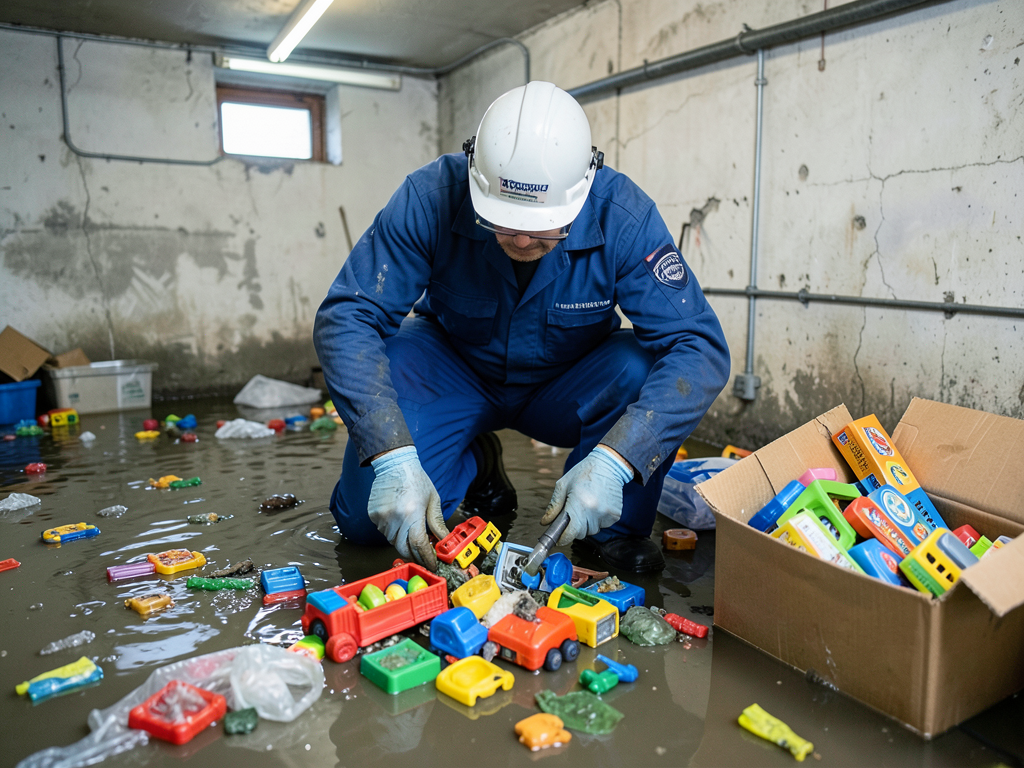
When floodwater enters your Spring Valley basement, the first thought for many parents is protecting their children’s toys. But here’s what most people don’t realize: floodwater in DC often contains sewage, chemicals, and dangerous pathogens that make even “clean-looking” toys unsafe. The Potomac River’s proximity means many Spring Valley homes sit near flood zones where Category 3 water—also called black water—can back up through drains during heavy storms. Reliable Sewage Backup Cleaning in Anacostia and Southeast DC.
Category 3 water contains bacteria like E. coli, Salmonella, and Hepatitis A. These pathogens can survive on surfaces for weeks. If your child’s favorite stuffed animal or plastic blocks were exposed to this water, they need more than a quick rinse. Some items can be saved with proper sanitization. Others must be thrown away immediately to protect your family’s health. EPA mold information.
Before you start cleaning anything, understand this: porous materials like fabric, wood, and foam absorb contaminants that cannot be fully removed. Non-porous items like hard plastic can often be sanitized if the water was clean. But after a Spring Valley flood, assume the worst and act accordingly. Fast Water Extraction for Commercial Offices in Downtown DC.
Category 3 water risks for children’s toys
Category 3 water enters homes through sewer backups, river flooding, or storm surge. In Spring Valley, the combination of aging infrastructure and Potomac River flooding creates unique risks. When sewage backs up through floor drains or water enters through foundation cracks, it brings more than mud. Emergency Water Damage Cleanup for Capitol Hill Rowhouses.
The water carries bacteria that cause serious illnesses. E. coli can survive on dry surfaces for up to 28 days. Salmonella persists even longer in porous materials. Hepatitis A virus remains infectious for months under the right conditions. Children are especially vulnerable because they often put toys in their mouths.
Even if toys look clean after drying, microscopic pathogens remain embedded in fabric fibers, wood grain, and foam cells. A quick wipe-down won’t remove these contaminants. That’s why many items must be discarded rather than risking your child’s health.
The “Keep or Toss” checklist for Spring Valley parents
Make decisions quickly after a flood. Mold begins growing within 24-48 hours in DC’s humid climate. Here’s what to keep and what to throw away based on material and water exposure.
| Item Type | Material | Keep (if sanitized) | Toss Immediately |
|---|---|---|---|
| Stuffed animals | Porous fabric | Only if exposed to clean water AND machine washable | All exposed to floodwater |
| Wooden toys | Porous wood | Never after Category 3 exposure | All after any floodwater |
| Plastic blocks | Non-porous hard plastic | Yes, with proper sanitization | Only if battery compartments flooded |
| Bath toys | Often porous rubber | Only sealed hard plastic | All squeezable or rubber toys |
| Board books | Porous paper/cardboard | Never after Category 3 | All after any floodwater |
| Electronic toys | Metal/plastic | Only if completely dry and sanitized | If water entered battery compartment |
Step-by-step sanitization for salvageable toys
Only attempt to save non-porous items that were not exposed to Category 3 water. For all other items, disposal is the safest option. If you’re unsure about water category, assume it’s Category 3.
- Sort and separate
Group toys by material type. Hard plastic with no electronics goes together. Battery-operated items need separate handling. Discard anything porous immediately. Immediate Burst Pipe Response for Arlington VA Apartment Managers.
- Initial cleaning
Rinse toys under clean running water to remove visible dirt. Use a soft brush for crevices. This removes surface contamination before sanitization.
- Prepare sanitizing solution
Mix 1 tablespoon of unscented chlorine bleach per gallon of water. Use only regular household bleach with 5.25-6% sodium hypochlorite. Never mix with ammonia or other cleaners.
- Submerge and soak
Place toys in the bleach solution for 2 minutes. Ensure complete submersion. For larger items, wipe all surfaces with the solution using a clean cloth.
- Rinse thoroughly
Rinse toys under clean running water to remove bleach residue. This step is crucial for items children might put in their mouths.
- Air dry completely
Place toys on a clean surface in direct sunlight if possible. DC’s humidity means indoor air drying may take 24-48 hours. Ensure toys are completely dry before returning to use.
Special considerations for Spring Valley’s climate
Washington DC’s humidity levels average 65-70% year-round, creating perfect conditions for mold growth. In Spring Valley, homes near the Potomac face additional challenges from the river’s microclimate, which can increase local humidity by several percentage points.
Mold spores begin colonizing damp surfaces within 24-48 hours. This timeline means you cannot wait to make decisions about contaminated items. The longer porous materials stay wet, the more deeply mold penetrates fibers and wood grain.
DC Water’s infrastructure in older neighborhoods like Spring Valley includes combined sewer systems that can back up during heavy rainfall. When this happens, Category 3 water enters homes through floor drains, making even basement-stored toys potentially hazardous.
Professional restoration companies use industrial-grade dehumidifiers and air movers to reduce drying time. These machines can dry a flooded basement in 3-5 days versus the 7-14 days it might take with household fans and dehumidifiers.
When to call a professional restoration company
Some situations require professional help rather than DIY cleaning. Call (771) 223-8077 if you notice any of these warning signs.
Visible mold growth on any surface indicates contamination has spread beyond what household cleaning can address. If toys were stored near visible mold, they should be discarded regardless of material type.
Strong musty odors persist even after cleaning. This smell indicates active mold colonies that require professional remediation. The EPA recommends professional help for mold areas larger than 10 square feet. Specialist Mold Remediation for Historic Georgetown Properties.
Water damage affected electrical systems or created structural concerns. If floodwater reached electrical outlets or caused ceiling sagging, the contamination risk extends to all nearby items.
Time is critical. The longer contaminated items remain in your home, the greater the health risk to your family. Professional companies can assess contamination levels and recommend appropriate disposal or restoration methods.
DC-specific disposal guidelines for contaminated items
Washington DC’s Department of Public Works has specific guidelines for disposing of flood-contaminated items. Category 3 water exposure makes many children’s toys hazardous waste that requires special handling.
Place contaminated items in heavy-duty plastic bags. Double-bag porous materials like stuffed animals, wooden toys, and fabric items. Seal bags completely to prevent spreading contamination during transport.
The Fort Totten Transfer Station accepts household hazardous waste on Saturdays from 8 AM to 3 PM. Bring contaminated toys in sealed bags and inform the attendant about flood exposure. Some items may need to go to specialized disposal facilities.
Never place contaminated items in regular trash collection. This spreads pathogens to waste handlers and the environment. DC law requires proper disposal of items exposed to sewage or chemical contaminants.
Keep records of what you discard. For insurance purposes, photograph items before disposal and maintain a list of discarded toys with approximate values. Many homeowner policies cover contents damaged by floodwater.
Preventing future flood damage in Spring Valley homes
After handling the immediate crisis, take steps to prevent future flood damage. Spring Valley’s location near flood-prone areas makes prevention essential for protecting your family’s health and belongings.
Install backflow preventers on floor drains and main sewer lines. These devices stop sewage from backing up during heavy rainfall. Cost ranges from $500 to $1,500 installed, but prevents thousands in damage.
Elevate storage off basement floors. Use plastic shelving units at least 6 inches above floor level. Store valuable items in waterproof containers on upper shelves. This simple step protects toys and other belongings from minor flooding.
Maintain sump pumps regularly. Test them monthly during rainy season. Replace units every 5-7 years even if they seem to work. A failed sump pump during a storm can cause catastrophic basement flooding.
Consider professional basement waterproofing. Exterior waterproofing membranes and interior drainage systems cost $5,000 to $15,000 but provide long-term protection. Many Spring Valley homes built before 1980 have inadequate waterproofing.
Emotional support for families dealing with toy loss
Losing a child’s favorite toys to flood damage creates emotional stress for both parents and children. Young children may not understand why they can’t keep their “clean” looking stuffed animals or special wooden blocks.
Explain the situation in age-appropriate terms. Tell children that some germs are too tiny to see but can make them sick. Emphasize that throwing away contaminated toys keeps the whole family healthy and safe.
Replace lost items gradually rather than all at once. This helps children adjust and prevents overwhelming them with too many new things at once. Consider involving children in selecting replacement toys to give them a sense of control.
Document what was lost for insurance purposes, but don’t dwell on material losses. Focus on the fact that everyone stayed safe and healthy. Many families find that flood recovery brings them closer together as they work through challenges.
Seek support if you’re feeling overwhelmed. Dealing with flood damage while caring for children creates significant stress. Local resources and professional help are available to guide you through recovery.
Frequently Asked Questions
Can I save my child’s favorite stuffed animal if it just got a little wet?
If the water was clean and the stuffed animal is machine washable, you might save it. Wash on hot cycle with regular detergent. Dry completely on high heat. If there’s any doubt about water quality or the item has electronic components, discard it.
How long after a flood can mold start growing on toys?
Mold begins growing within 24-48 hours in DC’s humid climate. This means you have a very short window to make decisions about contaminated items. Don’t wait to see if mold appears before taking action.
Are plastic bath toys safe to keep after flood exposure?
Only sealed hard plastic bath toys without holes are potentially salvageable. Squeezable rubber toys and those with holes trap contaminated water inside and cannot be properly sanitized. When in doubt, throw it out.
What’s the difference between sanitizing and disinfecting toys?
Sanitizing reduces germs to safe levels, while disinfecting kills most germs. For children’s toys, sanitizing with a bleach solution (1 tablespoon per gallon of water) is usually sufficient. Disinfection requires stronger chemicals that may not be safe for items children put in their mouths.
Should I wear protective equipment when handling flood-contaminated toys?
Yes. Wear rubber gloves, eye protection, and consider an N95 mask if there’s visible mold. Wash your hands thoroughly after handling any potentially contaminated items. Keep children away from the cleanup area.
How can I tell if water is Category 3 without testing it?
If you’re unsure about water quality, assume it’s Category 3. In Spring Valley, Potomac River flooding and sewer backups almost always produce Category 3 water. The health risk isn’t worth trying to save items that may be contaminated.
Take action now to protect your family
Every hour counts after a basement flood in Spring Valley. Contaminated toys pose serious health risks to your children, and mold begins growing within 24-48 hours in DC’s humid climate. Don’t wait to make these critical decisions.
Pick up the phone and call (771) 223-8077 today. Our certified restoration specialists can assess contamination levels, help you identify which items are safe to keep, and properly dispose of hazardous materials. We’re available 24/7 because we know flood emergencies don’t wait for business hours. For more information, visit CDC floodwater disease information.
Call (771) 223-8077 now to schedule your inspection. Your family’s health and safety are worth the call.