What Every DC Homeowner Needs in a Flood Emergency Kit Before the Next Storm Hits
Washington DC homeowners face unique flooding challenges from aging infrastructure, combined sewer overflows, and proximity to the Potomac and Anacostia Rivers. Flash floods can strike with little warning during summer thunderstorms, turning basements into disaster zones within hours. This guide covers exactly what you need in a flood emergency kit to protect your home and family when the next storm hits. Emergency Water Damage Cleanup for Capitol Hill Rowhouses.
Phase 1: The ‘Go-Bag’ Essentials (First 24 Hours)
Start with these critical items that could save your life and property in the first day after flooding begins. Store everything in a waterproof container that floats. Fast Water Extraction for Commercial Offices in Downtown DC.
- Water Supply
One gallon per person per day for at least three days. DC’s humid climate means you’ll need more than you think for drinking and sanitation.
- Non-Perishable Food
Three-day supply of canned goods, energy bars, and manual can opener. Include baby formula if needed.
- Hand-Crank Radio
Battery-powered or hand-crank NOAA weather radio with extra batteries. DC HSEMA broadcasts emergency alerts on specific frequencies.
- Flashlights and Headlamps
Multiple LED flashlights with extra batteries. Headlamps keep your hands free for cleanup.
- First Aid Kit
Include prescription medications, bandages, antiseptic, and a seven-day supply of any essential medications.
- DC Emergency Contacts
Written list of DC HSEMA (202-727-6161), DC Water emergency line (202-612-3400), and your insurance provider.
Phase 2: Professional-Grade Tools for DC Basements
Most homeowners stop at basic supplies, but DC’s unique architecture demands professional-grade equipment for effective flood response.
| Item | Why It Matters in DC | Specifications |
|---|---|---|
| Battery-Powered Sump Pump Backup | DC’s clay soil causes hydrostatic pressure that overwhelms standard pumps | 1/2 HP minimum, 2000+ GPH capacity |
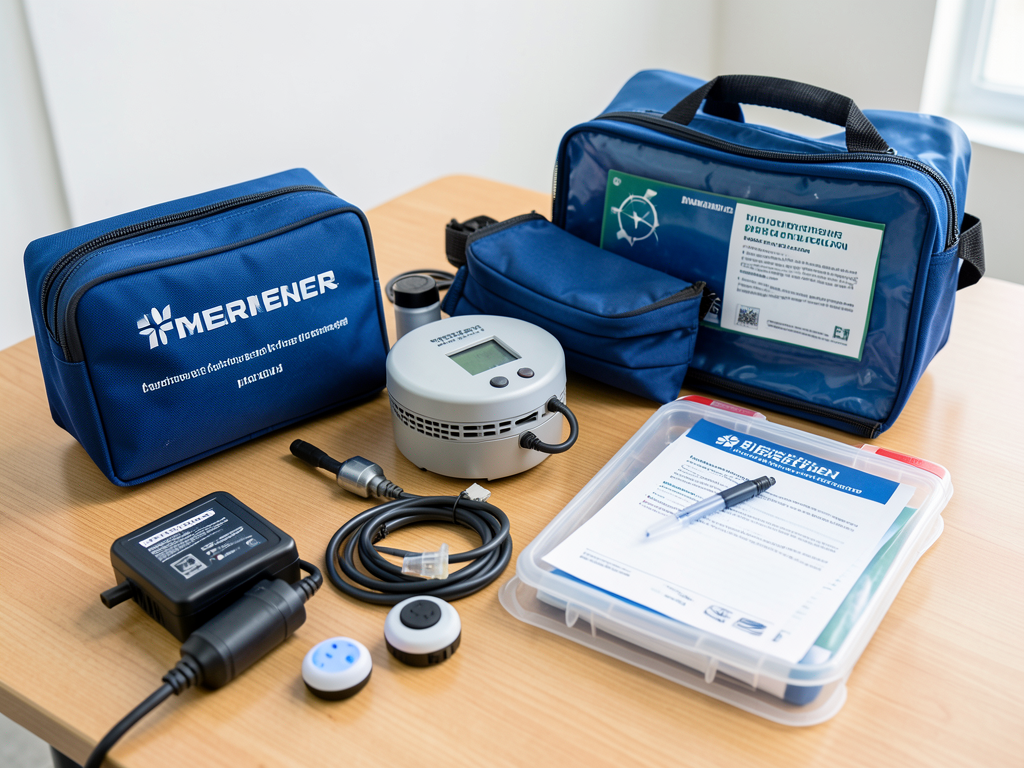
| Moisture Sensors | Detect hidden water behind historic brick walls common in Capitol Hill | Pinless, 3/4″ depth range |
| Heavy-Duty Rubber Boots | Protect against contaminated water from combined sewer overflows | Steel toe, 16″ height minimum |
| 6-Mil Plastic Sheeting | Create containment barriers for mold prevention in historic row houses | 10′ x 100′ rolls |
Diagnostic Tip: Test your sump pump monthly by pouring water into the pit. Listen for the motor to engage within 30 seconds. A failing bearing sounds like grinding or clicking.
Protecting Vital Documents in the District
DC’s high humidity accelerates document deterioration. Store originals in waterproof, fire-resistant containers on upper floors.
- Property deeds and mortgage documents
- Insurance policies (homeowners, flood, auto)
- Government IDs and passports
- Medical records and prescription lists
- Inventory photos of valuables (store digitally in cloud)
Digital Backup Strategy: Scan all documents and store encrypted copies on a password-protected USB drive kept in your emergency kit. Also upload to secure cloud storage with two-factor authentication.
Local Resources: Where to Get Sandbags and Help in DC
DC Department of Public Works (DPW) provides free sandbags before major storms at these locations: EPA Mold Guidelines.
- Fort Totten Transfer Station (4200 Anacostia Ave NE)
- Blue Plains Advanced Wastewater Treatment Plant (5000 Overlook Ave SW)
- Anacostia Park Service Area (1900 Anacostia Dr SE)
Sign up for AlertDC at alertdc.dc.gov to receive emergency notifications about flooding, road closures, and sandbag distribution.
DC HSEMA coordinates flood response and can provide real-time updates during emergencies. Their emergency operations center activates during severe weather events.
When the Kit Isn’t Enough: Signs You Need Professional Restoration
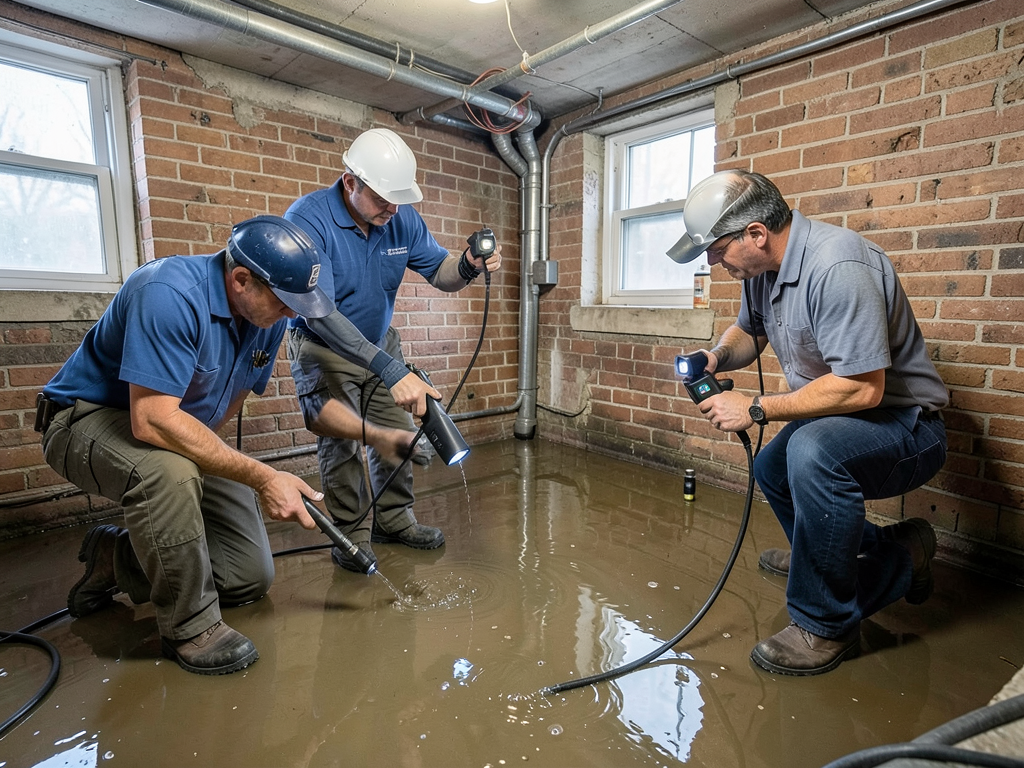
DIY cleanup works for minor incidents, but these warning signs mean you need professional help immediately. Immediate Burst Pipe Response for Arlington VA Apartment Managers.
| Warning Sign | Risk Level | Action Required |
|---|---|---|
| Category 3 water (sewage, floodwater) | High | Professional remediation required by DC DEEE |
| Water over 24 hours | High | Mold begins growing within 48-72 hours |
| Structural dampness | Critical | Check for compromised load-bearing walls |
Moisture Meter Test: Use a pin-type moisture meter on drywall. Readings above 16% indicate active water intrusion requiring professional drying equipment.
Special Considerations for DC’s Historic Homes
DC’s historic districts have specific requirements that affect flood response. Georgetown, Capitol Hill, and Dupont Circle homes often feature:. Read more about Why New Townhomes in Fort Lincoln Often Face Specific Drainage Issues.
- Shared party walls requiring coordinated response
- Original plaster that crumbles when wet
- Lead paint hazards requiring EPA-certified remediation
DC Building Code Reference: DC Municipal Regulations 12D requires professional mold remediation for areas over 10 square feet in residential properties.
Emergency Sanitation Supplies
Flooding often disrupts water and sewage systems. Include these sanitation items: Reliable Sewage Backup Cleaning in Anacostia and Southeast DC.
- Portable toilet or bucket with sanitation bags
- Hand sanitizer and antibacterial wipes
- Personal hygiene items for 3+ days
- Trash bags for contaminated materials
Creating Your DC-Specific Flood Plan
Every DC household needs a written flood response plan. Include:
- Evacuation routes avoiding flood-prone areas like Canal Road and parts of Southwest DC
- Meeting point locations outside flood zones
- Utility shut-off locations (main water valve, electrical panel)
- Pet evacuation plan with carriers and food
- Replace expired food and medications
- Test batteries in all devices
- Update emergency contact information
- Rotate stored water (every 6 months)
- Join your local Citizens Association
- Share emergency contact information with trusted neighbors
- Know which neighbors have medical expertise or heavy equipment
- Establish a neighborhood communication tree
Practice Your Plan: Conduct a family drill twice yearly. Time how long it takes to gather your kit and evacuate. Adjust based on results.
Maintaining Your Emergency Kit
Check and update your kit every six months:
Storage Location: Keep your kit in a cool, dry place on the main floor. Avoid basements where flooding would trap your supplies.
Beyond the Kit: Community Preparedness
DC’s flooding challenges require neighborhood-level preparation:
Local Support Networks: Many DC neighborhoods have established emergency response teams through local civic associations. Check with your ANC commissioner for existing resources.
Frequently Asked Questions
How much does a comprehensive flood emergency kit cost?
A complete kit typically costs $300-500, with professional-grade tools accounting for $150-200 of that total. Consider it insurance against potential flood damage costs.
Does homeowners insurance cover flood damage in DC?
Standard policies exclude flooding. You need separate National Flood Insurance Program (NFIP) coverage, especially if you live in FEMA-designated flood zones.
How long do I have to respond to basement flooding?
Critical first 24 hours. Mold begins growing within 48-72 hours, and structural damage accelerates rapidly. Professional help within 4-6 hours prevents most secondary damage.
Can I use my regular shop vac for water extraction?
No. Regular vacuums can cause electric shock and damage. Use only wet/dry vacuums rated for water or professional extraction equipment.
What’s the difference between clean and contaminated flood water?
Category 1: Clean water from supply lines. Category 2: Gray water from appliances. Category 3: Black water from sewage or flooding – requires professional remediation. Specialist Mold Remediation for Historic Georgetown Properties.
Don’t wait for the next storm to hit. Call (771) 223-8077 today to schedule your flood preparedness consultation. Our DC-certified technicians will assess your home’s specific vulnerabilities and recommend targeted solutions. When flooding strikes, every minute counts – be ready before disaster strikes.
Pick up the phone and call (771) 223-8077 before the next storm hits. We’re here 24/7 to help Washington DC homeowners protect what matters most.
You may also find this helpful. Why Your New Condo at The Wharf Might Experience Balcony Drainage Flooding.
You may also find this helpful. What Airbnb Hosts in Capitol Hill Should Know About Emergency Water Damage Mitigation.