
Why your Southwest Waterfront basement is damp even when it hasn’t rained in weeks
Your basement feels damp. You smell that musty odor. Water spots appear on the walls. But the weather app shows zero precipitation for days. What’s going on? Fast Water Extraction for Commercial Offices in Downtown DC.
The answer lies beneath your feet. Southwest Waterfront sits on reclaimed land along the Potomac River where the water table stays consistently high year-round. Even during dry spells, groundwater pushes against your foundation through a force called hydrostatic pressure. Emergency Water Damage Cleanup for Capitol Hill Rowhouses.
Water weighs about 62 pounds per cubic foot. When the Potomac rises or after heavy rains, that weight increases against your basement walls. The clay-heavy soil common in DC doesn’t drain well, so water accumulates and creates constant pressure. This isn’t surface water from a storm—it’s groundwater finding its way through the smallest cracks. DC Department of Energy and Environment.
Foundation cove joints where walls meet floors are particularly vulnerable. These cold joints aren’t sealed during construction, creating perfect pathways for groundwater to seep in. You might notice white powdery efflorescence on walls—mineral deposits left behind as water evaporates. That’s your basement crying for help. Water Damage Restoration Bethesda.
DC’s building code requires specific waterproofing measures for new construction, but many Southwest Waterfront homes predate modern standards. The International Building Code Section 1805.4 mandates exterior waterproofing for basements, yet older row houses often lack these protections. Add in the area’s low elevation near sea level and you have a perfect recipe for chronic dampness. National Flood Insurance Program.
Humidity compounds the problem. Washington DC averages 67% relative humidity annually. When warm, moist air contacts cool basement walls, condensation forms. This creates a cycle: damp walls lead to higher humidity, which causes more condensation. Without proper vapor barriers and dehumidification, your basement stays damp year-round.
Common symptoms of high water table issues include: persistent musty odors that worsen in summer, visible mold growth in corners, peeling paint or wallpaper, and water appearing along floor-wall junctions after heavy Potomac tides. You might also notice your sump pump running frequently even during dry weather—it’s fighting a losing battle against the rising water table.
Understanding the difference between hydrostatic pressure and surface runoff is crucial. Surface water from rain or melting snow flows downward and can be managed with gutters and proper grading. Hydrostatic pressure is lateral force pushing water through your foundation. This is why fixing your downspouts alone won’t solve the problem—the water is coming from below.
Professional solutions for Southwest Waterfront homes focus on relieving this pressure. Interior French drain systems collect water before it enters living spaces and channel it to sump pumps. These systems typically include perforated pipe surrounded by gravel, installed along the basement perimeter. When properly designed, they reduce hydrostatic pressure by giving groundwater an easier path than through your foundation.
Sump pump technology has advanced significantly. Modern systems include primary pumps with battery backup units that activate during power outages—critical during summer thunderstorms when you lose electricity but need protection most. Some homeowners install dual-pump systems where a secondary pump activates if the primary can’t keep up with inflow rates.
Foundation waterproofing membranes provide another defense layer. These elastomeric coatings bridge small cracks and create a water-resistant barrier. When applied to exterior foundation walls during construction or major renovations, they significantly reduce water infiltration. However, they work best when combined with proper drainage systems.
Emergency restoration differs from long-term waterproofing. If you discover standing water, immediate extraction prevents structural damage and mold growth. This involves water removal, content protection, and thorough drying using industrial air movers and dehumidifiers. But without addressing the underlying hydrostatic pressure, the problem returns. Immediate Burst Pipe Response for Arlington VA Apartment Managers.
DC’s Department of Energy and Environment provides flood risk maps showing areas vulnerable to both riverine and groundwater flooding. Much of Southwest Waterfront falls into high-risk zones where special building considerations apply. The DOEE recommends specific floodproofing measures for basements in these areas, including elevating mechanical systems and using flood-resistant materials.
Seasonal patterns affect groundwater levels. Spring brings higher water tables from winter snowmelt and spring rains. Summer thunderstorms can cause rapid Potomac rises that push groundwater levels up within hours. Fall often sees the highest water tables as soil reaches maximum saturation. Winter freezing can cause soil expansion that creates new foundation cracks.
Historic preservation adds complexity for older Southwest Waterfront homes. Many buildings have brick or stone foundations that require specialized repair techniques. Modern waterproofing products must be compatible with historic materials. Some homeowners opt for interior solutions to preserve exterior architectural integrity while still addressing moisture issues.
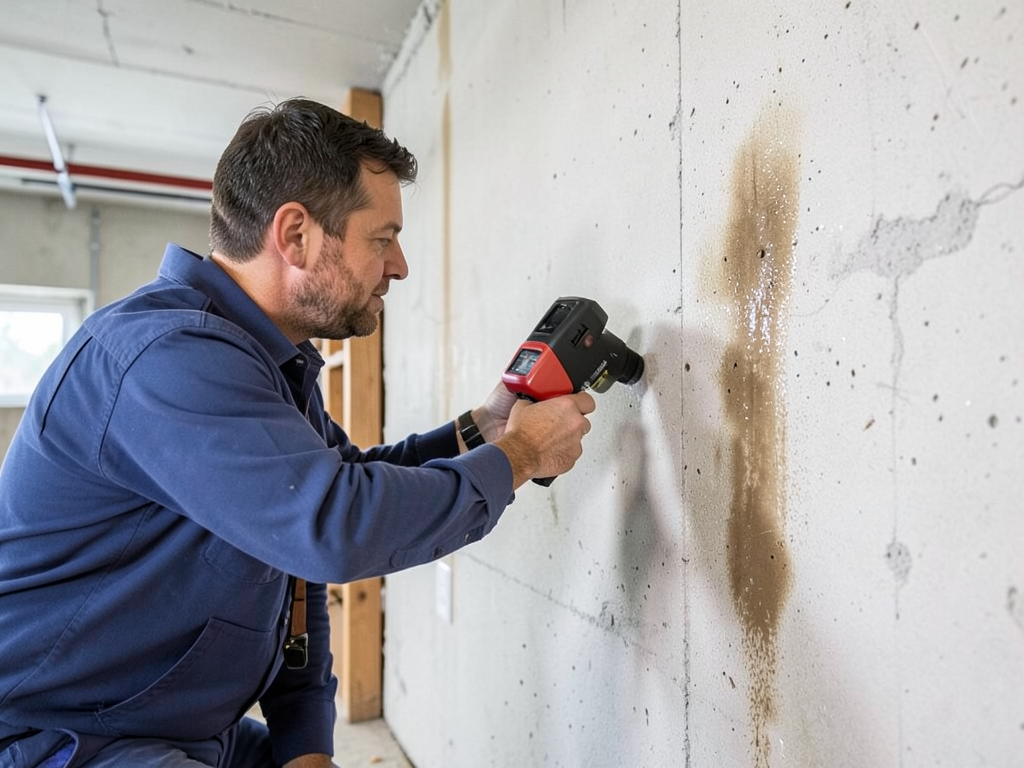
Professional assessment starts with moisture mapping using infrared cameras and moisture meters. These tools identify wet areas that aren’t visible to the naked eye. A thorough inspection also checks for foundation cracks, cove joint seepage, and signs of previous water damage. This diagnostic process determines whether you need emergency restoration or preventive waterproofing.
The cost-benefit analysis favors permanent solutions over repeated emergency responses. While initial waterproofing investments seem high, they prevent ongoing damage to finishes, mechanical systems, and stored belongings. More importantly, they protect your home’s structural integrity and maintain property values in this high-demand waterfront neighborhood.
Don’t wait for the next storm to discover your basement’s vulnerabilities. Call (771) 223-8077 today to schedule your inspection. Our DC-certified technicians understand the unique challenges of Southwest Waterfront foundations and can recommend solutions that actually work for your specific situation.
Frequently Asked Questions
Why does my basement smell musty even when it’s dry outside?
Musty odors indicate ongoing moisture issues, typically from high groundwater levels or poor ventilation. The smell comes from mold and mildew growing on damp surfaces. Even without visible water, humidity above 60% creates conditions for these organisms to thrive.
How can I tell if my basement problem is from the water table or surface water?
Surface water problems usually appear after rain and affect specific areas near windows or doors. Water table issues cause consistent dampness throughout the basement, often with efflorescence on walls and water entering at floor-wall joints regardless of recent weather.
Are sump pumps enough to solve high water table problems?
Sump pumps are essential but not sufficient alone. They remove collected water but don’t address the pressure forcing water against your foundation. Effective solutions combine sump pumps with drainage systems that relieve hydrostatic pressure before water enters your basement.
Does homeowners insurance cover water table-related basement flooding?
Standard policies typically exclude groundwater flooding. You need separate flood insurance through the National Flood Insurance Program or private carriers. Review your policy carefully—many Southwest Waterfront homeowners discover too late that they lack adequate coverage for this common issue.
How long does professional basement waterproofing take?
Most interior waterproofing projects take 3-5 days for a typical basement. Exterior waterproofing for historic homes may require additional time for permits and careful work around existing landscaping. Emergency water removal can begin within hours of your call.
You may also find this helpful. Turning your Barney Circle garage into a bedroom (And how to keep it from flooding).