The Silent Damage Caused by a Leaking Dishwasher Under Your Glover Park Kitchen Cabinets
A slow dishwasher leak can destroy your Glover Park kitchen without you ever seeing a drop of water. The moisture seeps silently into cabinet bases, subflooring, and wall cavities where it breeds mold and weakens structural components. By the time you notice warped floorboards or musty odors, thousands of dollars in damage may already exist. Fast Water Extraction for Commercial Offices in Downtown DC.
Glover Park’s older homes built between the 1920s and 1950s often have original plumbing that connects to modern appliances. These connections create perfect conditions for slow leaks that go undetected for months. The humid summers in Washington DC accelerate mold growth once moisture becomes trapped behind cabinetry.
The most dangerous aspect of dishwasher leaks is their invisibility. Unlike a burst pipe that creates immediate flooding, a failing supply line or drain hose releases water gradually. This allows moisture to spread laterally through porous materials before surface symptoms appear. By then, the damage extends far beyond what’s visible. Immediate Burst Pipe Response for Arlington VA Apartment Managers.
Hidden Signs of Dishwasher Water Damage in Glover Park Homes
Early detection saves thousands in restoration costs. Watch for these subtle indicators of hidden dishwasher leaks in your Glover Park kitchen.
- Musty odors near the dishwasher that persist even after cleaning
- Swollen or warped cabinet kick plates at floor level
- Soft spots when pressing on the floor directly in front of the dishwasher
- Dark staining on baseboards that cannot be wiped away
- Peeling laminate or bubbling veneer on cabinet faces
- Increased presence of household pests attracted to moisture
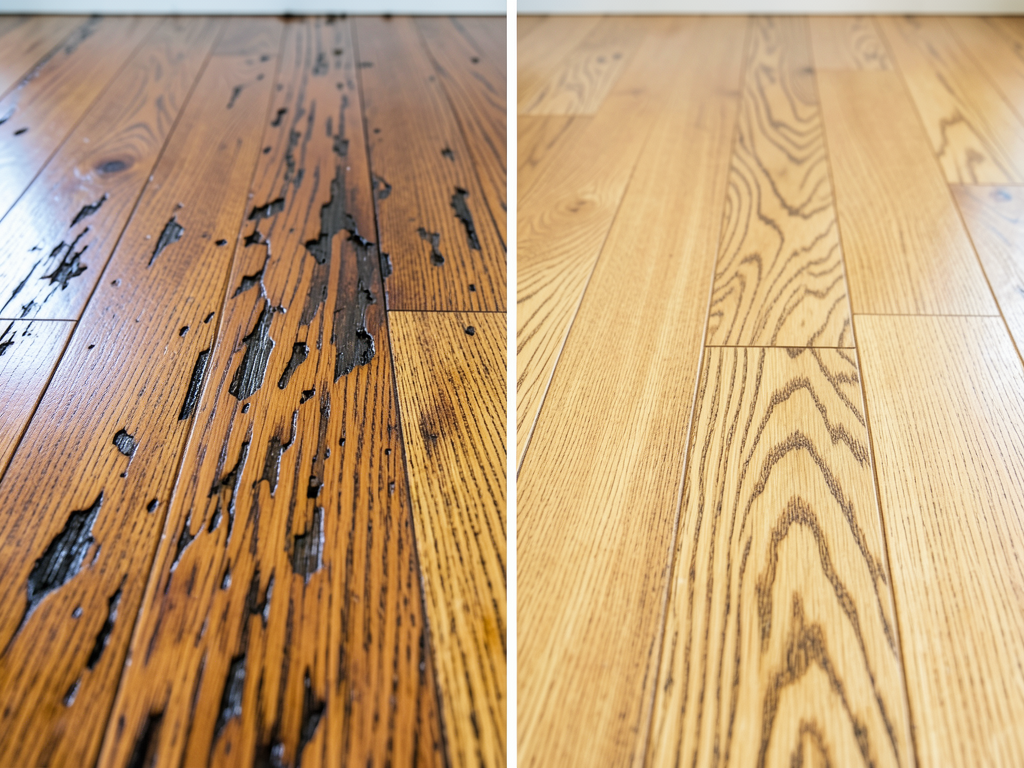
Glover Park’s historic homes often feature hardwood flooring that shows damage differently than modern materials. Water causes wood to cup, crown, or develop dark water stains along the grain patterns. These changes indicate moisture has penetrated deeply into the flooring system. Emergency Water Damage Cleanup for Capitol Hill Rowhouses.
Why Slow Leaks Create More Damage Than Sudden Floods
Category 1 water from a clean dishwasher supply line becomes increasingly contaminated as it sits. The IICRC S500 standard classifies water damage into three categories based on contamination levels. Clean water turns to gray water within 48-72 hours as microorganisms multiply. IICRC water damage standards.
Washington DC’s climate creates perfect conditions for rapid microbial growth. Summer humidity levels often exceed 70%, providing ideal conditions for mold spores to colonize damp materials. The District’s average temperature from June through August hovers around 80°F, accelerating biological activity in wet materials.
Structural damage compounds over time as water migrates through building materials. Wood absorbs moisture through capillary action, causing dimensional changes that stress joints and fasteners. Cabinet boxes constructed with particleboard or medium-density fiberboard begin to delaminate when exposed to sustained moisture.. Read more about Understanding Secondary Water Damage and Why Speed Is Everything for Your Heritage Hill Home.
The Science of Hidden Moisture Detection
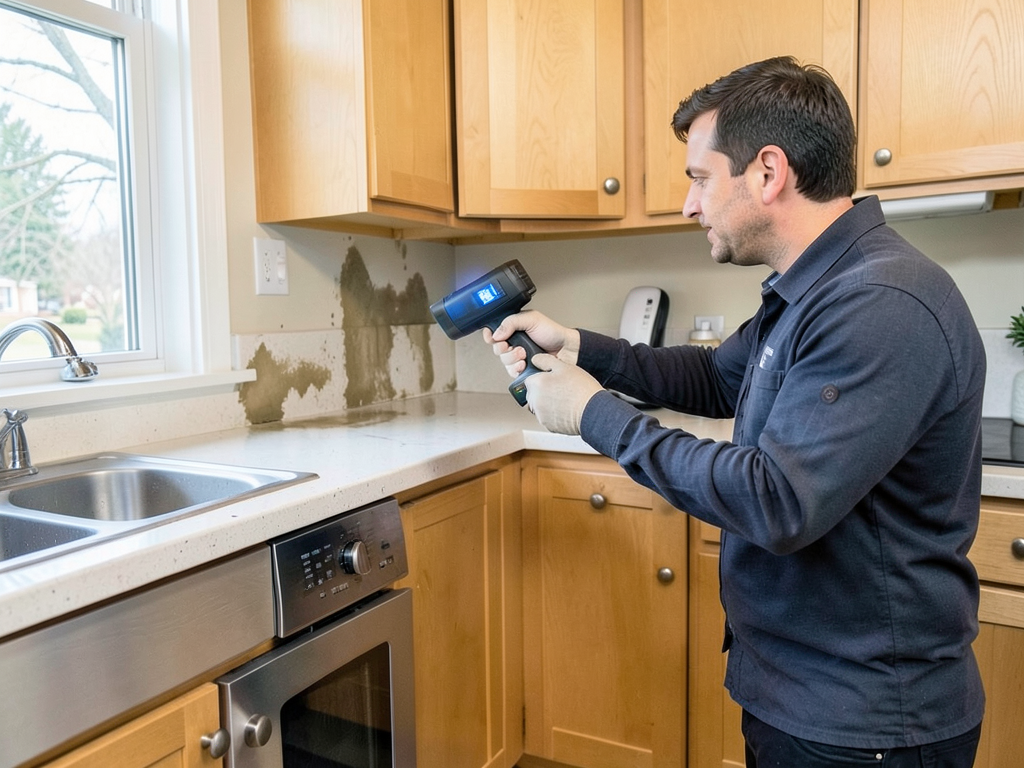
Professional restoration technicians use specialized equipment to find water you cannot see. Thermal imaging cameras detect temperature differences caused by evaporative cooling from wet materials. These cameras reveal moisture patterns behind walls and under flooring without destructive testing.
Moisture meters measure electrical resistance in materials to determine water content. Wood moisture equivalent readings above 15% indicate elevated moisture that requires drying. For comparison, healthy indoor wood flooring typically measures between 6-9% moisture content.
Glover Park’s older homes often contain multiple layers of flooring from decades of renovations. These layers create moisture barriers that trap water and complicate drying efforts. A technician might find original pine subflooring beneath modern hardwood, each layer requiring different drying approaches.
Common Dishwasher Failure Points in DC Area Homes
Supply line failures account for approximately 80% of dishwasher leaks according to industry data. These flexible hoses connect the dishwasher to your home’s water supply and deteriorate over time due to water pressure fluctuations and material fatigue.
Washington DC experiences significant water pressure variations throughout the day. Morning demand from residents preparing for work creates pressure drops, while overnight pressure can spike when demand decreases. These fluctuations stress supply line connections and accelerate wear on rubber seals. EPA mold information.
Drain hose failures represent the second most common leak source. These hoses carry wastewater from the dishwasher to your home’s drainage system. Blockages cause water to back up and escape through connection points. Food particles, grease, and mineral deposits accumulate over time, reducing hose diameter and increasing pressure.
Structural Impacts on Glover Park Kitchen Flooring
Water damage affects different flooring materials in distinct ways. Hardwood floors absorb moisture and swell across the grain, causing boards to push against each other. This creates cupping where board edges rise higher than centers or crowning where centers bulge upward.. Read more about Can You Save Engineered Wood Floors After a Water Leak in Your NoMa Apartment?.
Laminate flooring consists of fiberboard cores with printed surfaces. When water penetrates seams, the fiberboard swells irreversibly and causes surface separation. Unlike hardwood, damaged laminate cannot be sanded or refinished and requires complete replacement.. Read more about Should You Reface or Replace Your Water Damaged Kitchen Cabinets in Your Wesley Heights Home?.
Tile flooring presents unique challenges when installed over wooden subfloors. Water weakens the adhesive bonds and causes tiles to loosen. The subfloor beneath may rot without visible surface indicators until tiles begin shifting or cracking under normal use.
Mold Growth Timeline in Hidden Dishwasher Leaks
Mold colonization follows predictable patterns once moisture becomes available. Stachybotrys chartarum, commonly called black mold, requires sustained moisture for at least 7-10 days before visible growth appears. However, other mold species can establish within 24-48 hours under favorable conditions.
Washington DC’s climate provides ideal conditions for rapid mold development. Summer temperatures between 75-85°F combined with humidity above 60% create exponential growth rates. A small leak that maintains 65% relative humidity in enclosed spaces can produce significant mold colonies within two weeks.
Hidden mold poses serious health risks beyond property damage. Mold spores become airborne and circulate through HVAC systems. People with allergies, asthma, or compromised immune systems experience increased symptoms when exposed to elevated mold levels. Children and elderly individuals face heightened sensitivity to mold-related health effects.
Professional Restoration Process for Dishwasher Water Damage
Effective restoration requires systematic approaches based on industry standards. The process begins with comprehensive moisture mapping to identify all affected areas. Technicians use multiple detection methods to ensure no hidden moisture remains that could cause future problems.
Water extraction removes standing water and saturates materials. Professional-grade extractors remove water more efficiently than shop vacuums or carpet cleaners. The goal is reducing moisture content to levels that allow effective drying within 24-48 hours.
Drying and dehumidification use specialized equipment to remove moisture from materials and air. Air movers create airflow across wet surfaces, accelerating evaporation. Dehumidifiers capture water vapor from the air and collect it for removal. The process continues until materials reach target moisture content levels.
DC Building Code Requirements for Water Damage Restoration
Washington DC Municipal Regulations require specific procedures for water damage restoration in occupied buildings. The District’s Department of Consumer and Regulatory Affairs mandates that restoration contractors hold appropriate licenses and follow established protocols for moisture remediation. Specialist Mold Remediation for Historic Georgetown Properties.
DC Housing Code Section 903.2 requires that all plumbing repairs meet current plumbing standards. This includes replacing damaged supply lines and drain connections with code-compliant materials. The code also mandates proper slope for drain lines to prevent future backups.
Environmental regulations in DC require proper handling of water-damaged materials that may contain asbestos or lead-based paint. Homes built before 1978 must be tested for lead before demolition or disturbance of painted surfaces. The District’s Department of Energy and Environment enforces these requirements through inspection and permitting processes.
Insurance Coverage for Gradual Water Damage
Homeowners insurance policies typically cover sudden and accidental water damage but exclude gradual damage from maintenance issues. A supply line that fails suddenly receives coverage, while a hose that deteriorates over years may not qualify for claims.
DC insurance carriers often require proof of regular maintenance to approve water damage claims. Documentation showing annual inspections of appliance connections strengthens claim validity. Without maintenance records, insurers may deny coverage based on alleged negligence.
Additional living expenses coverage may apply if water damage forces temporary relocation. This coverage pays for hotel costs, restaurant meals, and other expenses above normal living costs. Policy limits and time restrictions vary by carrier and specific policy terms.
Preventing Future Dishwasher Leaks in Glover Park Homes
Regular maintenance prevents most dishwasher leaks before they cause damage. Inspect supply lines annually for signs of wear including cracks, bulges, or corrosion. Replace flexible supply lines every five years regardless of visible condition to prevent age-related failures.
Check drain hose connections quarterly for signs of moisture or mineral deposits. Ensure the high-loop installation prevents wastewater from backing up into the dishwasher. The loop should rise above the drain connection point to create an air gap.
Monitor water pressure using a simple gauge attached to an outdoor spigot. Washington DC water pressure should remain between 40-80 PSI. Pressure exceeding 80 PSI stresses all plumbing connections and accelerates wear on supply lines and valves.
Cost Factors for Professional Water Damage Restoration
Restoration costs vary based on damage extent, materials affected, and required demolition. Category 1 water damage affecting 100 square feet of hardwood flooring typically costs $1,500-$3,000 for complete restoration including drying and refinishing.
Category 2 or 3 water damage requiring material removal and replacement increases costs significantly. Removing and replacing water-damaged cabinets, flooring, and drywall in a standard kitchen ranges from $8,000-$15,000 depending on material selections and finish quality.
Emergency response fees apply for after-hours service calls. Most restoration companies charge 1.5x to 2x standard rates for service between 6 PM and 8 AM. These fees reflect overtime labor costs and the need for immediate response to prevent further damage.
Choosing a Water Damage Restoration Company in DC
Verify contractor credentials before hiring restoration services. Look for IICRC certification in water damage restoration and general contracting licenses from the DC Department of Consumer and Regulatory Affairs. Insurance coverage should include general liability and workers’ compensation.
Request detailed written estimates that itemize all proposed work. Professional estimates include moisture readings, scope of work descriptions, and projected timelines. Avoid companies that provide verbal quotes without site inspection or refuse to document their assessment findings.
Check references from recent customers in the Glover Park area. Local experience matters for navigating DC’s specific building codes, permit requirements, and historic preservation guidelines. Companies familiar with area architecture understand common failure patterns and effective restoration approaches.
Environmental Considerations in Modern Restoration
Professional restoration companies now emphasize environmentally responsible practices. Water extraction and drying reduce landfill waste compared to demolition and replacement. Advanced drying equipment uses less energy than traditional methods while achieving better results.
DC’s sustainability initiatives encourage restoration over replacement when possible. The District’s Green Building Act promotes practices that minimize construction waste and energy consumption. Professional restorers align with these goals by preserving existing materials through effective drying techniques.
Biodegradable cleaning agents replace harsh chemicals in modern restoration. These products effectively sanitize water-damaged areas without introducing toxic substances into your home environment. They also prevent chemical residues that could affect indoor air quality after restoration completion.
When to Call for Professional Help
Call restoration professionals when you discover any of these conditions in your Glover Park kitchen. Visible mold growth indicates moisture problems that require professional assessment and remediation. Mold spreads rapidly and poses health risks that DIY cleaning cannot address.
Soft or spongy flooring suggests structural damage that threatens safety. Walking on weakened subflooring risks falls and injuries. Professional assessment determines whether repair or replacement provides the most cost-effective solution.
Persistent musty odors after cleaning indicate hidden moisture that continues causing damage. These odors result from microbial volatile organic compounds released by active mold colonies. Professional moisture detection finds the source and eliminates the conditions supporting continued growth.
Protecting Your Investment in Glover Park Real Estate
Glover Park home values average $750,000-$1,200,000 depending on condition and size. Water damage that goes unaddressed reduces property values and complicates future sales. Professional restoration protects your investment by returning damaged areas to pre-loss condition.
Historic district regulations in parts of Glover Park require special consideration for renovations and repairs. Professional restorers familiar with these requirements ensure compliance while achieving effective water damage repair. Unauthorized modifications in historic districts can result in fines and mandatory corrections.
Regular home maintenance prevents costly water damage repairs. Schedule annual plumbing inspections, clean appliance filters, and monitor for early warning signs of leaks. Prevention costs far less than emergency restoration services required after extensive damage occurs.
Emergency Response Timeline for Water Damage
Professional restoration effectiveness decreases significantly after 72 hours of water exposure. The first 24 hours represent the optimal window for complete restoration without material replacement. Response time directly impacts restoration costs and outcomes.
24-48 hour response allows successful drying of most materials with minimal replacement. Hardwood flooring, drywall, and cabinetry often recover completely if drying begins promptly. The process requires specialized equipment and monitoring to achieve proper moisture content levels.
48-72 hour response typically requires some material removal and replacement. Drywall wicks water rapidly and becomes structurally compromised. Mold begins establishing colonies that require remediation. Restoration costs increase substantially as more materials require replacement rather than drying.
Advanced Drying Technologies for Modern Restoration
Desiccant dehumidifiers excel at removing moisture from dense materials like hardwood and concrete. These units use silica gel to absorb water vapor from air, achieving lower humidity levels than conventional refrigerant dehumidifiers. They prove especially effective in Washington DC’s humid climate.
Heat drying accelerates evaporation by increasing material temperature. Controlled heat application to 85-95°F speeds moisture removal without damaging most building materials. This technique reduces drying times by 50-70% compared to standard methods.
Injection drying forces dry air into wall cavities and under flooring through small access holes. This method dries enclosed spaces without demolition, preserving finished surfaces while removing hidden moisture. It proves particularly valuable for historic homes where preserving original materials matters.
Understanding Water Categories and Their Implications
Category 1 water originates from clean sources like supply lines and poses minimal initial health risks. However, this water becomes contaminated within 48-72 hours as microorganisms multiply. The classification changes based on time and temperature, affecting restoration approaches and costs.
Category 2 water contains significant contamination and can cause discomfort or illness. Dishwasher drain water with food particles falls into this category. It requires more extensive cleaning and sanitation than clean water damage.
Category 3 water poses serious health risks and requires immediate professional handling. Sewage backups, flooding from rivers, and water with heavy microbial growth fall into this category. Restoration requires full personal protective equipment and specialized cleaning agents. Reliable Sewage Backup Cleaning in Anacostia and Southeast DC.
Final Considerations for Glover Park Homeowners
Water damage restoration requires balancing immediate needs with long-term outcomes. Quick fixes that ignore underlying moisture problems lead to recurring issues and higher costs. Professional assessment identifies all affected areas and develops comprehensive restoration plans.
Communication with restoration professionals ensures expectations align with realistic outcomes. Understand the scope of work, timeline, and potential complications before work begins. Clear communication prevents misunderstandings and ensures satisfactory results.
Documentation of damage and restoration work supports insurance claims and future property assessments. Keep records of all inspections, testing, and restoration activities. These documents prove valuable for insurance purposes and when selling your home.
Frequently Asked Questions
How long does dishwasher leak restoration typically take?
Restoration timelines depend on damage extent and materials affected. Minor damage requiring only drying takes 3-5 days. Extensive damage requiring material replacement extends to 2-3 weeks. Emergency response within 24 hours provides the best outcomes and shortest timelines.
Can I stay in my home during restoration work?
Category 1 water damage in isolated areas often allows continued occupancy. However, extensive damage or Category 2-3 water requires temporary relocation for health and safety reasons. Your restoration company assesses safety conditions and recommends appropriate occupancy plans.
Will my homeowners insurance cover dishwasher leak damage?
Coverage depends on policy terms and damage circumstances. Sudden supply line failures typically receive coverage while gradual deterioration may not qualify. Review your policy or consult your insurance agent to understand specific coverage limitations and requirements.
How can I prevent future dishwasher leaks?
Annual inspection of supply lines and drain connections prevents most leaks. Replace flexible supply lines every five years regardless of visible condition. Monitor water pressure and address any plumbing issues promptly. Consider water leak detection systems that provide early warnings of developing problems.
What should I do immediately after discovering a dishwasher leak?
Shut off the dishwasher water supply valve immediately. Remove standing water with towels or a wet vacuum. Increase air circulation with fans if safe to do so. Contact professional restoration services promptly to prevent further damage and begin proper drying procedures.
- Shut Off Water Supply
Locate and turn off the dishwasher supply valve immediately to prevent additional water flow.
- Remove Standing Water
Use towels, mops, or wet vacuums to extract visible water from affected areas.
- Increase Air Circulation
Set up fans to promote evaporation and reduce moisture levels in affected materials.
- Document Damage
Take photos of all affected areas for insurance purposes before beginning cleanup efforts.
- Contact Professionals
Call (771) 223-8077 immediately for professional assessment and restoration services.
Don’t let a silent dishwasher leak destroy your Glover Park kitchen. Water damage spreads rapidly and causes irreversible harm to cabinets, flooring, and structural components. Professional restoration prevents mold growth, protects your investment, and returns your home to safe, healthy condition.
Call (771) 223-8077 today to schedule your free moisture inspection. Our certified technicians use advanced detection equipment to find hidden water damage before it becomes a major problem. Emergency response available 24/7 throughout Washington DC and surrounding areas.
Pick up the phone and call (771) 223-8077 before the next storm hits. Quick action prevents thousands in additional damage and protects your family’s health from mold-related issues. Your Glover Park home deserves professional care from experienced restoration specialists who understand local building challenges.
You may also find this helpful. Why Your Refrigerator Ice Maker Line Is a Ticking Time Bomb for Your Brookland Kitchen.