A renter’s guide to emergency water damage rights in Truxton Circle
Water damage in your rental can happen in seconds. A burst pipe in a Truxton Circle rowhouse or a ceiling leak from an aging condo can leave you scrambling to protect your belongings and your legal rights. In Washington DC, tenants have specific protections under the District’s housing code, but knowing what to do in the first 24 hours can make the difference between a quick fix and a months-long dispute. This guide walks you through immediate actions, your legal protections under DC law, and how professional restoration connects to your tenant rights. DC Department of Buildings.
Immediate steps when you discover water damage in your DC rental
Stop the water source if it’s safe. If a pipe bursts or an appliance overflows, locate the nearest shutoff valve and turn it clockwise. If you can’t find it, call your landlord or building management immediately. Next, protect your belongings by moving electronics, documents, and valuables to a dry area. Document everything with photos and videos before cleanup begins. This documentation becomes critical if you need to prove the extent of damage to your landlord or insurance company. Immediate Burst Pipe Response for Arlington VA Apartment Managers.
Call (771) 223-8077 for emergency water damage restoration. In Truxton Circle, where many buildings date to the early 1900s, water can spread quickly through shared walls and floors. Professional teams arrive within 60-90 minutes to extract water, set up drying equipment, and prevent secondary damage like mold growth. While waiting for help, place buckets under active leaks and open windows if weather permits to improve air circulation. Fast Water Extraction for Commercial Offices in Downtown DC.
Notify your landlord in writing within 24 hours. DC law requires tenants to give landlords reasonable notice of needed repairs. Send a text, email, or written notice describing the damage, when you discovered it, and what immediate actions you’ve taken. Keep copies of all communications. This written record protects your right to a timely repair under the District’s Warranty of Habitability. DC Municipal Regulations Title 14.
The Implied Warranty of Habitability in Washington DC
DC law guarantees every tenant the right to a safe, sanitary living space free from serious defects. Under DC Municipal Regulations Title 14, landlords must maintain properties in a condition that meets basic housing standards. This includes keeping the structure watertight, plumbing functional, and preventing conditions that create health hazards like mold or pest infestations. Emergency Water Damage Cleanup for Capitol Hill Rowhouses.
When water damage occurs, the warranty requires landlords to repair structural elements including walls, ceilings, floors, and building systems affected by the leak. This means fixing the source of water intrusion, replacing damaged drywall or flooring, and addressing any resulting mold growth. The law does not require landlords to replace tenants’ personal property, which is why renters insurance becomes essential for covering damaged furniture, electronics, and clothing.
DC’s housing code sets specific timeframes for repairs. Emergency conditions that threaten health or safety require attention within 24-72 hours. Non-emergency repairs should begin within 10 days of written notice. If your landlord fails to make repairs within these timeframes, you have several legal options including filing a complaint with the Department of Buildings or pursuing rent abatement through the Office of Administrative Hearings. Office of the Tenant Advocate.
Landlord vs. tenant: who pays for what?
Understanding cost responsibility prevents disputes. Landlords pay for repairing the building structure, including damaged walls, ceilings, floors, and building systems like plumbing or electrical that were affected by the water. They must also remediate any mold growth that exceeds 10 square feet, as required by DC’s Mold Assessment and Remediation Amendment Act of 2014. Specialist Mold Remediation for Historic Georgetown Properties.
Tenants pay for their personal property damage unless the landlord was negligent. This includes furniture, clothing, electronics, and other belongings. Your renters insurance policy covers these losses under personal property coverage. Most policies also include additional living expenses if you must temporarily relocate due to severe damage.
The security deposit cannot be used for normal wear and tear repairs. If water damage results from your negligence or misuse, your landlord may bill you for repairs beyond normal wear. However, they cannot automatically deduct these costs from your security deposit without providing an itemized statement and allowing you to dispute the charges.
Professional restoration documentation helps establish what damage existed before the incident and what resulted from the current event. Moisture mapping and thermal imaging reports create a clear record of affected areas, helping resolve disputes about the scope and cost of repairs.
DC’s mold law and water damage
DC’s Mold Assessment and Remediation Amendment Act of 2014 requires landlords to address mold growth within 30 days of receiving written notice from tenants. For water damage situations, this timeline starts when you notify your landlord about the leak or moisture problem. The law applies to any visible mold growth or moisture problems that could lead to mold.
The 30-day requirement becomes critical in Truxton Circle’s older buildings, where water damage can hide behind walls for weeks before becoming visible. By the time you see discoloration or smell musty odors, mold may already be growing in wall cavities. Professional moisture detection using thermal imaging and moisture meters can identify hidden water before mold establishes itself.
DC law requires remediation of mold exceeding 10 square feet by certified professionals. This threshold means that even small patches of mold in older buildings often require professional remediation to meet legal standards. The remediation process includes containing the affected area, removing contaminated materials, and verifying that moisture sources have been eliminated.. Read more about Why your Mount Vernon Square apartment smells like vinegar after a small sink leak.
Tenants have the right to request documentation of mold testing and remediation. If your landlord hires a remediation company, ask for the post-remediation verification report showing that mold levels have returned to normal background levels. This documentation protects you from future liability and ensures the property meets housing code standards.
Can you withhold rent? The ‘repair and deduct’ rule in DC
DC law allows tenants to pursue rent withholding or repair and deduct remedies, but only through specific legal procedures. You cannot simply stop paying rent because your landlord hasn’t fixed a leak. Instead, you must file a complaint with the Office of Administrative Hearings and request a hearing. The judge will determine whether conditions justify rent withholding or whether you can deduct repair costs from future rent payments.
The repair and deduct option allows you to hire licensed contractors to make necessary repairs and deduct those costs from your rent, but only after following proper legal procedures. You must provide your landlord with written notice of your intent, allow reasonable time for them to respond, and keep all receipts for work performed. The total amount you can deduct is limited to a percentage of your monthly rent.
Emergency situations may justify immediate action without waiting for legal proceedings. If water damage creates an imminent health hazard like raw sewage backup or active electrical hazards, you can arrange emergency repairs and deduct those costs. However, you should still notify your landlord as soon as possible and document all communications. Reliable Sewage Backup Cleaning in Anacostia and Southeast DC.
Never withhold rent without legal counsel or court approval. Improper rent withholding can result in eviction proceedings, even if your complaints about conditions are valid. The safer approach is to document everything, communicate in writing, and use the established legal channels for dispute resolution.
How professional restoration provides evidence for your claim
Professional water damage restoration creates the documentation needed for both legal and insurance purposes. When you call (771) 223-8077, certified technicians arrive with moisture meters, thermal imaging cameras, and hygrometers to assess the full extent of damage. They create detailed reports showing affected areas, moisture levels in building materials, and the scope of work required for proper restoration.
Moisture mapping identifies water migration patterns that aren’t visible to the naked eye. In Truxton Circle’s older buildings, water can travel along pipe chases, through shared walls, and into adjacent units. Professional mapping shows exactly where water traveled and what materials require removal or drying. This prevents disputes about whether damage existed before the current incident.
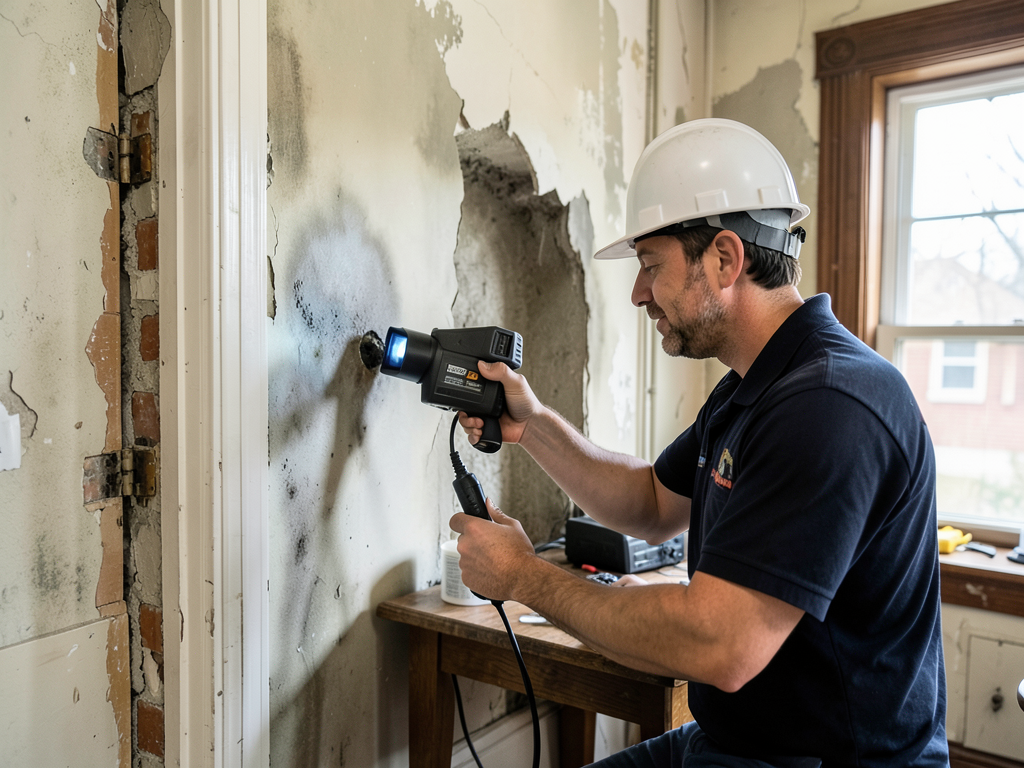
Thermal imaging reveals temperature differences that indicate moisture behind walls, under floors, or in ceiling cavities. These images provide objective evidence of water presence without destructive testing. When combined with moisture meter readings, thermal imaging creates a comprehensive picture of damage extent that satisfies insurance adjusters and housing inspectors.
Professional documentation includes daily drying logs, equipment placement maps, and before-and-after photos. These records prove that restoration was performed according to industry standards and that affected areas were properly dried to prevent mold growth. For tenant disputes, this documentation shows that you took appropriate steps to mitigate damage and protect the property.
The restoration process also identifies pre-existing conditions that may affect your claim. For example, if moisture meters show elevated readings in areas not affected by the current leak, this could indicate ongoing problems that your landlord should have addressed previously. This information becomes valuable if you need to establish a pattern of neglect.
DC resources for tenant rights and water damage disputes
The Office of the Tenant Advocate (OTA) provides free assistance to DC renters facing housing issues. Located at 441 4th Street NW, the OTA helps tenants understand their rights, file complaints, and navigate the dispute resolution process. They can review your documentation, advise on legal options, and represent you in administrative hearings if necessary.
The Department of Buildings (DOB) handles housing code violations and can inspect properties for compliance with DC housing standards. You can file a complaint online or by calling 311. If the DOB finds violations, they issue notices to landlords requiring repairs within specific timeframes. The DOB also maintains violation records that can support your case in disputes.
The DC Superior Court’s Landlord and Tenant Branch handles formal eviction proceedings and rent disputes. While you cannot file a new case just to complain about water damage, you can raise these issues as counterclaims if your landlord files an eviction case or if you file a separate rent action. The court provides forms and procedural guidance for self-represented tenants.
Several nonprofit legal service organizations offer free or low-cost assistance to tenants. These include the Washington Legal Clinic for the Homeless, Legal Aid Society of the District of Columbia, and various tenant advocacy groups. They can help with document review, court representation, and negotiating with landlords.
Understanding these resources helps you take appropriate action when water damage occurs. Rather than guessing about your rights or attempting DIY repairs, you can follow established procedures that protect both your interests and your tenancy.
Preventing future water damage in your rental
While you can’t control your building’s plumbing or roof, you can take steps to minimize water damage risk. Check under sinks monthly for signs of leaks, including water stains, mold growth, or musty odors. Test your water heater’s pressure relief valve annually to ensure it’s functioning properly. Know the location of your unit’s main water shutoff valve in case of emergencies.
Install water leak detectors near appliances, under sinks, and in basements or utility areas. These inexpensive devices sound alarms when they detect moisture, giving you early warning of developing problems. Some smart detectors can send alerts to your phone, allowing you to respond quickly even when you’re away from home.
Maintain good communication with your landlord about building maintenance issues. Report small problems before they become major emergencies. Ask about the age of major systems like plumbing, roof, and HVAC, and whether preventive maintenance is performed regularly. This information helps you assess your risk and plan accordingly.
Review your renters insurance policy annually to ensure adequate coverage. Make sure your policy includes replacement cost coverage rather than actual cash value, which accounts for depreciation. Consider adding sewer backup coverage if it’s not included in your standard policy. Keep an updated inventory of your belongings with photos or videos to support insurance claims.
Finally, know when to call professionals. If you notice persistent moisture problems, mold growth, or signs of water damage, don’t wait for your landlord to act. Document the issue and consider calling (771) 223-8077 for an assessment. Early intervention often prevents more extensive and expensive damage.
Frequently Asked Questions
How long does a landlord have to fix water damage in DC?
DC law requires emergency repairs that threaten health or safety to begin within 24-72 hours. Non-emergency repairs should start within 10 days of written notice. The exact timeframe depends on the severity of the damage and whether it creates immediate health hazards like raw sewage or active electrical dangers.
Can I break my lease due to water damage?
You cannot automatically break your lease due to water damage. However, if the damage makes your unit uninhabitable and your landlord fails to repair it within reasonable timeframes, you may have grounds for constructive eviction. This requires following specific legal procedures and usually requires court approval.
Does renters insurance cover water damage from plumbing leaks?
Most renters insurance policies cover sudden and accidental water damage from plumbing failures, including burst pipes and appliance overflows. However, they typically exclude damage from flooding, sewer backups, and gradual leaks that develop over time. Review your policy or call your insurance agent to understand your specific coverage.
What if my landlord won’t fix the water damage?
If your landlord refuses to make necessary repairs, you can file a complaint with the Department of Buildings or pursue legal remedies through the Office of Administrative Hearings. Document all communications, take photos of the damage, and consider seeking assistance from the Office of the Tenant Advocate or a legal aid organization.
How do I prove water damage existed before I moved in?
Document the condition of your unit when you move in with photos and videos. Compare these to current damage photos. Professional moisture testing can also establish whether current readings are consistent with pre-existing conditions. Your move-in inspection report and any previous maintenance records can also help establish the timeline of damage.
Water damage in your rental requires quick action and knowledge of your rights. In Truxton Circle and throughout DC, tenants have strong protections under housing code, but these rights must be exercised properly to be effective. Document everything, communicate in writing, and don’t hesitate to call professionals when needed.
For immediate water damage emergencies, call (771) 223-8077. Our certified technicians arrive within 90 minutes to assess damage, begin mitigation, and create the documentation you need for insurance claims and legal protection. Don’t let water damage escalate into a bigger problem. Pick up the phone and call (771) 223-8077 before the next storm hits.
You may also find this helpful. What parents in Spring Valley should throw away after a basement flood (And what can be sanitized).