Do You Really Need an Air Quality Test After Drying Out Your Tenleytown Home?
After water damage in your Tenleytown home you might think the job finishes once the floors dry and the fans stop running. But what you cannot see could be the real danger. Mold spores bacteria and volatile organic compounds can linger in the air long after visible water disappears. A professional air quality test is the only way to know if your indoor air is truly safe to breathe. Fast Water Extraction for Commercial Offices in Downtown DC.
Tenleytown’s older homes built in the 1920s through 1950s often have plaster walls and shared party walls that trap moisture. When water gets behind these surfaces it creates perfect conditions for mold growth inside wall cavities. The humid summers in Washington DC make this problem worse with relative humidity often exceeding 70%. Without testing you are gambling with your family’s health and potentially invalidating your insurance claim. DC Department of Energy & Environment mold guidelines.
Why Air Testing Matters After Water Damage
Water damage creates more than just wet floors. When materials like drywall insulation and wood stay damp for over 48 hours mold begins to grow. By day three mold spores can spread through your HVAC system. These spores are microscopic and can travel through walls under floors and into living spaces where your family breathes them in. Emergency Water Damage Cleanup for Capitol Hill Rowhouses.
Beyond mold water-damaged materials release volatile organic compounds as they break down. These VOCs can cause headaches dizziness and respiratory problems. If your water damage involved sewage or flood water bacteria and other pathogens become airborne concerns that require specialized testing. Reliable Sewage Backup Cleaning in Anacostia and Southeast DC.
DC’s Department of Energy & Environment (DOEE) has specific guidelines for mold remediation that many homeowners do not know about. Professional testing ensures you meet these requirements and protects you from potential liability if you sell your home later. Specialist Mold Remediation for Historic Georgetown Properties.
What Air Quality Testing Actually Checks For
Professional air quality testing after water damage looks for several specific contaminants. Mold spore counts measure the concentration of different mold species in your air. Aspergillus and Penicillium are common after water damage but Stachybotrys chartarum (black mold) requires immediate remediation. Immediate Burst Pipe Response for Arlington VA Apartment Managers.
Testing also measures particulate matter including dust and debris that may contain mold fragments or other allergens. Humidity and temperature readings help identify conditions that could lead to future mold growth. Some tests check for specific VOCs released by water-damaged materials.
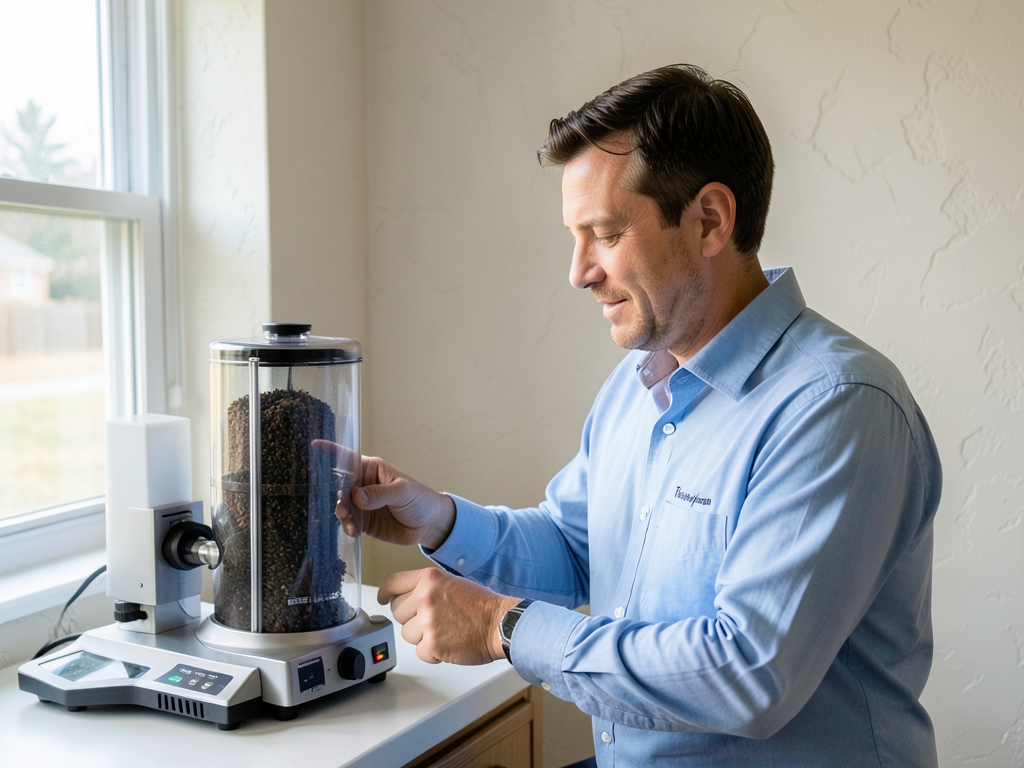
Professional testing uses calibrated equipment like spore traps laser particle counters and hygrometers. These tools provide accurate measurements that DIY test kits cannot match. The results give you a clear picture of your indoor air quality and whether remediation was successful.
The Testing Process Step by Step
A professional air quality assessment follows a specific protocol. First technicians conduct a visual inspection looking for signs of moisture mold growth and water damage patterns. They use moisture meters to detect hidden dampness in walls floors and ceilings without causing damage.. Read more about Why Using Bleach on Mold in Your Ivy City Loft Is Actually Making the Problem Worse.
Next air sampling begins. Technicians collect air samples from multiple locations throughout your home including areas near the water damage and comparison samples from unaffected areas. Each sample takes about 10 minutes to collect using specialized cassettes that trap airborne particles.
Surface samples may be taken if visible mold is present. These swab tests identify specific mold species and help determine the extent of contamination. All samples are sent to AIHA-accredited laboratories for analysis with results typically available within 24-48 hours.
Finally technicians provide a detailed report showing spore counts humidity levels and any recommendations for remediation or further testing. This documentation is crucial for insurance claims and proves your home meets safety standards.
DC Climate Impact on Post-Water Damage Air Quality
Washington DC’s climate creates unique challenges for water damage recovery. Our humid summers mean materials stay damp longer giving mold more time to establish. The average July humidity in Tenleytown hovers around 72% well above the 60% threshold where mold growth accelerates.
Historic Tenleytown homes often lack modern vapor barriers and have older HVAC systems that struggle with humidity control. Many homes built before 1980 have plaster walls that absorb water like a sponge but release it slowly creating extended drying times.
The area’s clay soil also affects basement moisture levels. When the ground stays saturated after heavy rains hydrostatic pressure can force moisture through foundation walls. This creates conditions where air quality testing becomes essential even if you do not see visible water damage.. Read more about Is It Actually Safe for Your Kids and Pets to Play in a Basement That Previously Flooded?.
Post-Remediation Verification Testing
After water damage cleanup clearance testing proves the work was done correctly. This Post-Remediation Verification (PRV) testing compares air quality before and after remediation. It shows whether mold levels have returned to normal background levels and whether any hidden contamination remains.
Insurance companies often require PRV testing before they will approve final payment on claims. Without this documentation you might pay for remediation that did not fully address the problem. Some DC area lenders also require clearance testing before approving home sales involving recent water damage.
PRV testing typically includes the same air sampling methods used in initial testing plus visual inspection of all remediated areas. The goal is to verify that spore counts are similar to outdoor levels and that no active mold growth remains.
Health Risks of Poor Indoor Air Quality
Living with poor indoor air quality after water damage can cause serious health problems. Mold exposure triggers asthma attacks causes chronic sinus infections and leads to persistent coughing and wheezing. Children elderly family members and those with compromised immune systems face the highest risks.. Read more about Are Those Small Cracks in Your Manor Park Foundation Letting in More Than Just Damp Air?.
Volatile organic compounds from water-damaged materials can cause headaches fatigue and cognitive problems. Some VOCs are linked to long-term health effects including liver and kidney damage. Bacteria from sewage backups can cause gastrointestinal illness and skin infections.
DC’s high pollen counts already challenge residents with allergies. Adding mold spores and other airborne contaminants from water damage can make indoor air quality unbearable for sensitive individuals. Professional testing identifies these hidden dangers before they cause serious health problems.
Insurance-Ready Documentation
Professional air quality testing provides the documentation insurance companies require for claims. The detailed reports show exactly what contaminants were present where they were found and whether remediation was successful. This evidence is crucial when negotiating with adjusters or disputing claim denials.
Many insurance policies cover air quality testing if it is related to a covered water damage event. However they often require testing from certified professionals using industry-standard methods. DIY test kits or uncertified testing may not be accepted by insurance companies.
The documentation also helps with future home sales. If you have had significant water damage potential buyers will want proof that the problem was properly addressed. Professional testing reports provide this assurance and can prevent deal-killing negotiations later.
DIY vs Professional Testing
DIY mold test kits seem like a cost-effective option but they have serious limitations. These kits often give false positives from outdoor spores that enter through windows or doors. They also cannot identify specific mold species or measure spore concentrations accurately.
Professional testing uses calibrated equipment and follows strict protocols. Technicians understand how to interpret results in the context of your specific situation. They can identify problem areas that DIY kits would miss and provide actionable recommendations based on years of experience.
The cost difference between DIY and professional testing is minimal compared to the value of accurate information. A professional test costs $300-$600 in the DC area while DIY kits range from $30-$100. The professional test provides reliable data that protects your health and your investment.
When to Schedule Air Quality Testing
Timing matters for air quality testing after water damage. Wait at least 24 hours after visible water is removed before testing. This allows airborne contaminants to settle so they can be accurately measured. Testing too soon may miss problems that develop as materials continue to dry.
If you are planning remediation test before work begins to establish baseline conditions. This pre-remediation testing helps determine the scope of work needed and provides documentation for insurance claims.
After remediation is complete wait 24-48 hours before clearance testing. This allows any remaining spores to settle so the test can accurately measure whether remediation was successful.
Common Mistakes to Avoid
One major mistake is assuming that drying equipment alone makes your home safe. Fans and dehumidifiers remove moisture but do not eliminate airborne contaminants. Another error is waiting too long to test. The longer you wait the more mold can spread and the more expensive remediation becomes.
Some homeowners skip testing to save money only to face much larger expenses later when hidden mold is discovered during remodeling or home inspections. Others rely on visual inspections alone missing the microscopic contaminants that cause health problems.
Finally many people do not realize that air quality testing is different from mold inspection. Testing measures airborne contaminants while inspection looks for visible growth. Both are often needed for a complete assessment.
Cost Factors for Air Quality Testing
Several factors affect the cost of air quality testing in Tenleytown. The size of your home matters with larger homes requiring more samples to get accurate results. The extent of water damage also impacts cost as more extensive damage may require additional testing locations.
Older homes often cost more to test because they may have multiple layers of building materials that trap moisture. Historic properties with unique construction methods may require specialized testing approaches.
Emergency testing outside normal business hours typically costs more but may be necessary for severe contamination or insurance claim deadlines. Some companies offer package deals that include both testing and remediation which can save money compared to separate services.
Finding Qualified Testing Professionals
Not all air quality testing companies are equal. Look for technicians certified by organizations like the American Council for Accredited Certification (ACAC) or the Indoor Air Quality Association (IAQA). These certifications require training testing and continuing education.
Ask about laboratory partnerships. Reputable companies use AIHA-accredited laboratories for sample analysis. This ensures your results meet industry standards and will be accepted by insurance companies and regulatory agencies.
Check reviews and ask for references from other DC area homeowners. Local experience matters because technicians familiar with Tenleytown’s housing stock understand the specific challenges these older homes present.
Frequently Asked Questions
How long does air quality testing take?
The testing process typically takes 2-4 hours for a standard home depending on the number of samples needed. Lab results are usually available within 24-48 hours.
Will air testing find all water damage problems?
Air testing identifies airborne contaminants but may miss hidden water damage that has not produced mold yet. It is often combined with moisture mapping and visual inspection for a complete assessment.
Can I stay in my home during testing?
Yes air quality testing is non-invasive and does not require you to leave your home. However you should avoid disturbing test areas during sampling.
Conclusion
Air quality testing after water damage in your Tenleytown home is not just a good idea—it is essential for protecting your family’s health and your financial investment. The hidden dangers of mold bacteria and VOCs can linger long after visible water is gone. Professional testing provides the only reliable way to know if your indoor air is truly safe.
Do not gamble with your family’s health or risk insurance claim denials. Call (771) 223-8077 today to schedule your professional air quality assessment. Our certified technicians understand Tenleytown’s unique housing challenges and will provide the documentation you need for peace of mind and insurance approval.
Pick up the phone and call (771) 223-8077 before the next storm hits. Your family’s health cannot wait and neither should you. For more information, visit CDC mold information.
You may also find this helpful. How to Get Rid of That Lingering Musty Smell in Your Shirlington Apartment After a Water Leak.