
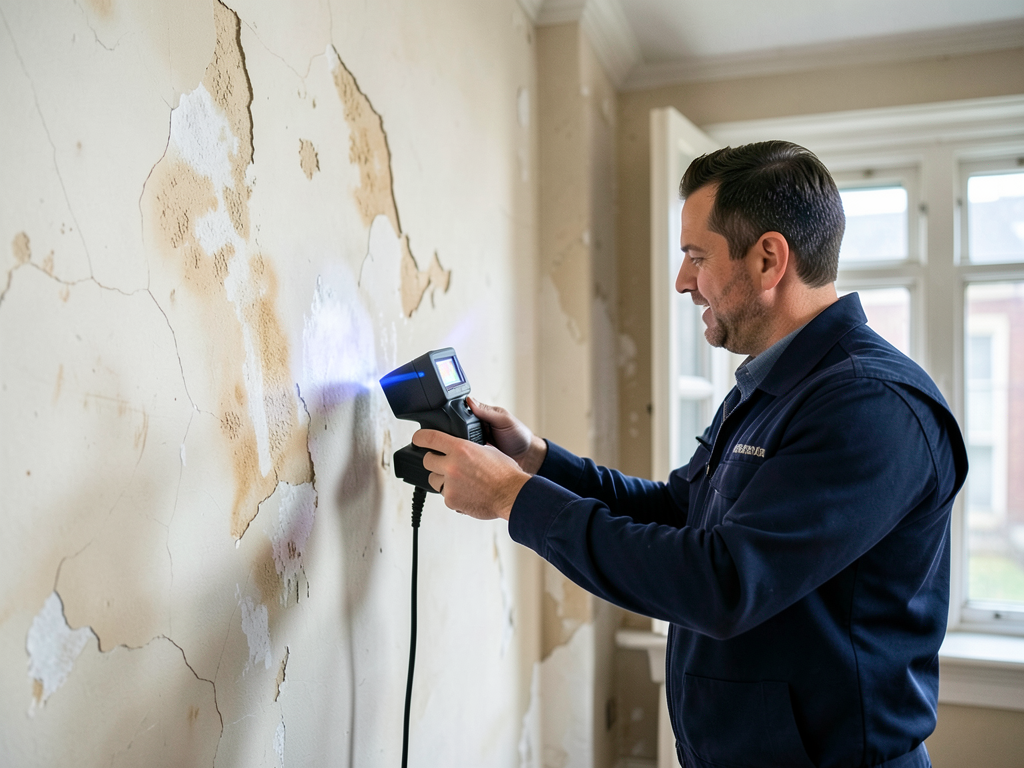
Fixing Water Damaged Plaster Walls in LeDroit Park Without Losing the Historic Charm
Water damage in LeDroit Park’s historic homes creates a unique challenge. The neighborhood’s Victorian and Queen Anne row houses built in the late 1800s feature original plaster walls that require specialized restoration techniques. Unlike modern drywall, these plaster systems involve multiple layers over wood or metal lath that cannot simply be replaced without destroying the home’s historic character. Fast Water Extraction for Commercial Offices in Downtown DC.
LeDroit Park’s aging infrastructure combined with Washington DC’s high humidity creates perfect conditions for plaster deterioration. When water penetrates these walls, it can cause bubbling, cracking, and eventual structural failure. The key to successful restoration lies in understanding the original construction methods and using compatible materials that preserve the wall’s integrity while addressing the moisture source. Emergency Water Damage Cleanup for Capitol Hill Rowhouses.
Before any repair work begins, a thorough assessment determines whether the plaster can be saved or if sections must be replaced. This process involves checking for active leaks, testing moisture levels with specialized meters, and examining the lath system for rot or damage. The goal is to stabilize the existing structure while maintaining the wall’s original appearance and texture. EPA Renovation, Repair and Painting Rule.
Safety considerations are paramount in these older homes. Many LeDroit Park properties built before 1978 contain lead-based paint and potentially asbestos in plaster or joint compounds. Professional testing and proper containment procedures protect both workers and residents during the restoration process.
The restoration process typically follows a systematic approach. First, all active water sources must be identified and repaired. Next, the affected areas undergo controlled drying using industrial dehumidifiers and air movers. Once dry, damaged plaster sections receive careful removal, mold treatment if necessary, and precise patching with materials matched to the original composition. Water Damage Restoration Bethesda.
Color matching and texture replication present the final challenge. Professional plasterers use traditional techniques to recreate the wall’s original finish, whether smooth, textured, or with specific decorative elements. This attention to detail ensures the repaired sections blend seamlessly with the surrounding historic surfaces.
Understanding when to call professionals versus attempting DIY repairs saves time and prevents further damage. Small areas of bubbling paint or minor cracks might be manageable for homeowners, but widespread damage, structural concerns, or potential lead hazards require expert intervention. The cost of professional restoration often proves more economical than replacing entire wall systems.
LeDroit Park’s historic preservation guidelines influence restoration decisions. The neighborhood falls under DC’s historic preservation regulations, which may require specific approval for exterior changes and recommend preservation of original interior features. Working with contractors familiar with these requirements ensures compliance while achieving the desired restoration results.
Climate factors significantly impact plaster restoration success in Washington DC. The region’s high humidity levels, averaging 65-70% annually, affect drying times and material selection. Professional restoration teams use moisture-resistant compounds and proper ventilation techniques to prevent future water damage and ensure long-lasting repairs.
The investment in proper plaster restoration extends beyond aesthetics. Maintaining original plaster walls preserves the home’s historic value, improves energy efficiency through the plaster’s natural insulation properties, and prevents the health hazards associated with mold growth in compromised wall systems.
Professional restoration services offer several advantages for LeDroit Park homeowners. These include access to specialized equipment for moisture detection and drying, knowledge of historic building techniques, proper handling of hazardous materials, and experience working within preservation guidelines. Many companies also assist with insurance documentation and claims related to water damage.
Preventive measures help protect restored plaster walls from future damage. These include regular inspection of plumbing systems, proper gutter maintenance, installation of moisture barriers in vulnerable areas, and monitoring indoor humidity levels. Simple steps like these can prevent costly repairs and preserve the home’s historic integrity for generations.
The restoration timeline varies based on damage extent and weather conditions. Small repairs might complete in days, while extensive damage requiring structural repairs could take weeks. Professional teams provide detailed schedules and work efficiently to minimize disruption to the household while ensuring quality results.
Modern technology enhances traditional restoration methods. Thermal imaging cameras detect hidden moisture pockets, moisture meters measure wall dryness at specific depths, and HEPA filtration systems remove airborne particles during demolition work. These tools improve accuracy and safety while preserving the wall’s historic character.
Cost considerations for plaster restoration in LeDroit Park typically range based on damage severity, wall accessibility, and required materials. While professional restoration represents a significant investment, it often proves more cost-effective than complete wall replacement, especially when factoring in the home’s historic value and potential insurance coverage for water damage.
The satisfaction of preserving LeDroit Park’s architectural heritage makes plaster restoration worthwhile for many homeowners. These walls tell stories of the neighborhood’s development and contribute to its unique character. Professional restoration ensures these stories continue while providing safe, functional living spaces for modern families.
Call (771) 223-8077 today to schedule your inspection. Our experts understand the unique challenges of restoring historic plaster in LeDroit Park and can provide a detailed assessment of your water damaged walls.
Understanding LeDroit Park’s Historic Plaster Systems
LeDroit Park’s historic homes feature traditional three-coat plaster systems that differ significantly from modern construction. The original builders used wood lath strips nailed to wall studs, creating a base for successive plaster layers. This method, common in Washington DC’s late 19th-century construction, provides superior sound insulation and durability compared to modern alternatives.
The three-coat system begins with a scratch coat, a rough mixture of lime, sand, and horsehair that bonds to the lath. Next comes the brown coat, which creates the wall’s thickness and provides a level surface. Finally, the finish coat delivers the smooth or textured surface seen in historic homes throughout the neighborhood.
Wood lath expands and contracts with humidity changes, a feature that actually helps plaster walls withstand minor movement without cracking. However, this same property makes them vulnerable to water damage. When moisture penetrates the system, the wood can rot, causing the plaster to lose its key and eventually fail.
Modern restoration requires understanding these original materials and techniques. Using drywall joint compound or incompatible patching materials creates visible differences and potential future problems. Professional restorers match the original plaster composition and application methods to ensure seamless repairs.
LeDroit Park’s specific architectural styles influence restoration approaches. Victorian homes often feature decorative plaster elements like crown moldings, ceiling medallions, and textured wall finishes. These details require specialized skills to repair without losing the home’s character-defining features.
The neighborhood’s proximity to Howard University and its development as an early planned suburb of Washington DC means many homes share similar construction patterns. This consistency helps restoration professionals understand what to expect when working in different properties throughout the area.
Historic preservation guidelines for LeDroit Park emphasize maintaining original interior features when possible. While exterior changes require formal approval, interior preservation recommendations encourage homeowners to retain and restore original plaster rather than replacing it with modern materials.
Understanding the original construction also helps identify potential problem areas. For instance, homes built before indoor plumbing often have plaster directly over exterior walls, making them more vulnerable to moisture intrusion from roof leaks or foundation issues.
Professional assessment tools help determine the extent of water damage in these historic systems. Moisture meters with deep probes can measure water content at various depths, while thermal imaging reveals hidden moisture pockets that might not be visible to the naked eye.
The age of LeDroit Park’s homes, with many dating to the 1870s and 1880s, means restoration work often encounters multiple repair layers from different eras. Understanding these layers helps professionals determine the best approach for each specific wall section.
Call (771) 223-8077 for a professional assessment of your historic plaster walls. Our team has extensive experience working with LeDroit Park’s unique architectural features and can recommend the best restoration approach for your home.
Safety First: Lead Paint and Asbestos in Historic Homes
Working with plaster walls in LeDroit Park’s historic homes requires strict safety protocols due to potential lead paint and asbestos hazards. The EPA’s Renovation, Repair and Painting (RRP) Rule mandates specific procedures for contractors working in pre-1978 homes, which includes most properties in this historic neighborhood.
Lead-based paint was commonly used in homes built before 1978, and many LeDroit Park properties predate this cutoff by decades. When water damages these walls, it can create lead dust hazards during repair work. Professional contractors must follow EPA guidelines for containment, testing, and cleanup to protect residents and workers.
Asbestos was sometimes added to plaster mixes or joint compounds through the mid-20th century. While not all historic homes contain asbestos, testing becomes essential before any demolition work. Laboratory analysis of plaster samples determines whether specialized abatement procedures are necessary.
Professional testing involves taking small core samples from affected walls and sending them to certified laboratories. Results typically return within 24-48 hours, allowing restoration teams to plan appropriate containment and safety measures before beginning work.
Containment procedures for lead and asbestos include sealing work areas with plastic sheeting, using HEPA filtration systems, and requiring workers to wear appropriate personal protective equipment. These measures prevent hazardous materials from spreading throughout the home during restoration.
Washington DC’s Department of Energy and Environment enforces strict regulations for handling hazardous materials in historic properties. Contractors must maintain proper documentation, use certified personnel, and follow specific disposal procedures for contaminated materials.
Homeowners should never attempt plaster repairs in pre-1978 homes without first testing for lead. DIY work can create serious health hazards, particularly for children and pregnant women who are most vulnerable to lead exposure effects.
Professional restoration companies maintain current EPA lead-safe certification and asbestos handling training. This expertise ensures compliance with all regulations while protecting the home’s occupants and the workers performing the restoration.
The cost of professional testing and containment represents a small fraction of total restoration expenses but provides essential protection. Most homeowners find this investment worthwhile for the peace of mind and legal compliance it provides.
Insurance companies often require documentation of lead and asbestos testing before approving restoration claims. Professional testing provides this documentation while ensuring the work meets all safety standards.
Modern testing methods have made the process faster and more accurate. X-ray fluorescence (XRF) analyzers can detect lead in paint without damaging surfaces, while polarized light microscopy provides detailed asbestos analysis of plaster samples.
Call (771) 223-8077 to schedule professional testing and assessment of your water damaged plaster walls. Our certified technicians follow all EPA and DC regulations to ensure safe, compliant restoration of your historic home.
The Professional Restoration Process Step by Step
Professional plaster restoration follows a systematic process that ensures lasting results while preserving historic character. This methodical approach addresses both visible damage and underlying moisture issues that could cause future problems.
The first step involves comprehensive moisture assessment using specialized equipment. Moisture meters with deep probes measure water content at various depths within the wall system. Thermal imaging cameras reveal hidden moisture pockets that might not be visible to the naked eye, ensuring all affected areas receive proper treatment.
Once moisture levels are documented, the drying process begins. Industrial dehumidifiers and high-velocity air movers create controlled drying conditions that prevent further damage while preparing the walls for repair. This phase typically requires 3-7 days depending on damage extent and environmental conditions.
Active water sources receive immediate attention during the assessment phase. Whether plumbing leaks, roof issues, or foundation problems, these sources must be repaired before restoration can proceed. Professional teams coordinate with plumbers and other specialists as needed to ensure complete problem resolution. Immediate Burst Pipe Response for Arlington VA Apartment Managers.
Damaged plaster removal follows careful planning to preserve salvageable sections. Technicians use specialized tools that minimize dust and vibration, protecting adjacent areas from collateral damage. The goal is to remove only what’s necessary while maintaining the wall’s structural integrity.
Mold treatment becomes essential when water damage creates favorable conditions for fungal growth. Professional remediation involves applying EPA-registered antimicrobial solutions, physically removing affected materials, and ensuring proper drying to prevent recurrence. This step protects both the structure and the home’s occupants. Specialist Mold Remediation for Historic Georgetown Properties.
Surface preparation for new plaster requires meticulous attention to detail. This includes cleaning the lath system, applying bonding agents to ensure adhesion, and creating proper surfaces for new plaster application. Each step follows traditional techniques adapted for modern restoration needs.
Plaster mixing and application match the original wall’s composition and texture. Professional plasterers use traditional lime-based mixes or modern equivalents that provide similar properties while offering improved durability. Multiple thin coats allow proper curing between applications.
Texture matching represents one of the most challenging aspects of restoration. Whether the original finish was smooth, stippled, or featured specific decorative elements, professionals use specialized tools and techniques to recreate the exact appearance of surrounding areas.
Final finishing includes color matching and surface preparation for painting or wallpapering. Professional teams use color-matching technology to ensure repaired sections blend seamlessly with existing finishes, creating invisible repairs that maintain the wall’s historic character.
Quality control throughout the process involves regular moisture testing, visual inspections, and adherence to industry standards. Professional teams document each phase, providing homeowners with complete records of the restoration work performed.
Call (771) 223-8077 to begin your professional plaster restoration. Our systematic approach ensures lasting results while preserving the historic character of your LeDroit Park home.
When to Call a DC Professional Restoration Service
Understanding when professional intervention becomes necessary saves homeowners time, money, and potential health hazards. While minor plaster issues might seem manageable, certain warning signs indicate the need for expert assessment and restoration.
Sagging ceilings represent an immediate emergency requiring professional attention. When plaster begins to separate from its lath support, the weight can cause sudden collapse, creating safety hazards and extensive property damage. This condition often indicates widespread moisture problems that require comprehensive assessment.
Persistent musty odors signal active mold growth within wall cavities. These smells persist even after surface cleaning and indicate moisture problems that require professional remediation. Mold can cause respiratory issues and structural damage if left untreated.
Water stains that continue to grow or change color suggest active leaks that need immediate attention. These expanding stains often indicate plumbing problems, roof leaks, or foundation issues that require professional diagnosis and repair before restoration can proceed.
Damage exceeding 10 square feet typically requires professional restoration. Large affected areas often indicate systemic problems that simple patching cannot address. Professional assessment determines the full extent of damage and develops comprehensive restoration plans.
Cracks wider than 1/8 inch or those that appear suddenly may indicate structural movement requiring professional evaluation. These cracks can signal foundation issues, seismic activity, or other serious problems that need expert diagnosis before repair.
Presence of lead paint or asbestos necessitates professional handling regardless of damage extent. DIY work in these conditions creates serious health hazards and potential legal liability for homeowners.
Insurance claims for water damage often require professional documentation and restoration. Many policies mandate using licensed contractors for covered repairs, and DIY work can complicate or invalidate claims.
Time sensitivity affects restoration success. Water damage worsens rapidly, with mold growth beginning within 24-48 hours of moisture exposure. Professional teams can respond quickly to minimize damage and begin appropriate restoration procedures.
Historic preservation requirements in LeDroit Park may mandate professional restoration for significant repairs. Working with experienced contractors ensures compliance with local guidelines while achieving desired restoration results.
Professional assessment provides accurate damage evaluation and cost estimates. This information helps homeowners make informed decisions about restoration approaches and budget allocation.
Call (771) 223-8077 for professional assessment of your water damaged plaster walls. Our experts can determine whether your situation requires professional intervention and provide detailed recommendations for restoration.
Cost Factors for Plaster Restoration in the District
Plaster restoration costs in Washington DC reflect the specialized skills, materials, and regulations involved in working with historic structures. Understanding these cost factors helps homeowners budget appropriately while recognizing the value of professional restoration.
Labor represents the largest cost component, reflecting the specialized skills required for historic plaster restoration. Professional plasterers command premium rates due to their expertise in traditional techniques, lead-safe practices, and historic preservation requirements. These rates typically range from $50-100 per hour depending on experience and project complexity.
Materials costs vary based on plaster composition, with traditional lime-based mixes costing more than modern alternatives. However, using materials matched to the original construction often proves more cost-effective long-term by preventing future compatibility issues and ensuring proper adhesion.
Testing and containment procedures add costs but provide essential protection. Lead and asbestos testing typically costs $200-500, while containment setup for hazardous materials can add $500-2,000 to project costs. These expenses prevent much larger costs associated with improper handling and potential health issues.
Moisture assessment and drying equipment rental represents another cost factor. Industrial dehumidifiers and air movers rent for $100-300 per day, with typical projects requiring 3-7 days of equipment use. Professional teams include these costs in their estimates rather than passing rental fees directly to homeowners.
Permit requirements in Washington DC can affect project costs. Historic properties may require special permits for extensive restoration work, with fees ranging from $100-1,000 depending on project scope and property designation.
Insurance coverage often offsets restoration costs, but claim processes can affect timing and out-of-pocket expenses. Professional restoration companies work directly with insurance adjusters, streamlining claims and reducing homeowner burden during the restoration process.
Project complexity significantly impacts costs. Simple patching of small areas might cost $500-1,500, while comprehensive restoration of large wall sections or entire rooms can range from $5,000-20,000 or more depending on damage extent and required techniques.
Emergency response fees apply to after-hours calls or rapid response situations. These fees typically add 25-50% to standard rates but can prevent much larger costs by addressing problems before they worsen.
Geographic factors within the District affect costs. Properties in historic districts or areas with limited access may incur additional fees for specialized equipment or extended work hours required to complete restoration.
Quality differences between contractors significantly impact long-term costs. Choosing the lowest bid often results in poor quality work requiring premature repairs, while experienced professionals provide lasting results that prove more economical over time.
Call (771) 223-8077 for a detailed cost estimate for your plaster restoration project. Our transparent pricing and professional expertise ensure you receive quality restoration that preserves your home’s historic character while providing excellent value.
Preventing Future Water Damage in Historic Homes
Preventive maintenance protects restored plaster walls and prevents costly future repairs. Implementing comprehensive prevention strategies addresses the various ways water can damage historic plaster systems in LeDroit Park’s aging homes.
Regular plumbing inspections identify potential problems before they cause extensive damage. Professional plumbers can detect early signs of pipe corrosion, joint deterioration, or pressure issues that might lead to leaks. Annual inspections typically cost $100-200 but prevent thousands in potential water damage repairs.
Roof maintenance plays a crucial role in preventing water intrusion. Annual roof inspections identify missing shingles, deteriorated flashing, or gutter problems that could allow water to penetrate wall cavities. Professional roof maintenance costs $200-500 annually but prevents extensive plaster damage.
Foundation monitoring helps detect moisture problems before they affect interior walls. Signs like basement dampness, foundation cracks, or efflorescence on exterior walls indicate potential water intrusion issues requiring professional assessment and remediation.
Proper gutter and downspout maintenance directs water away from the foundation. Clean gutters and properly functioning downspouts prevent water from pooling around the foundation, a common cause of basement moisture and subsequent wall damage.
Humidity control within the home prevents condensation-related plaster damage. Maintaining indoor humidity between 30-50% using dehumidifiers or HVAC systems reduces moisture accumulation in wall cavities and prevents mold growth.
Exterior grading ensures proper water drainage away from the foundation. Soil should slope away from the house at a rate of 6 inches per 10 feet, directing rainwater away from the structure rather than allowing it to pool against foundation walls.
Window and door maintenance prevents water intrusion through these common entry points. Regular caulking replacement, weatherstripping maintenance, and prompt repair of damaged frames prevent water from penetrating wall cavities around openings.
Appliance maintenance prevents water damage from washing machines, dishwashers, and water heaters. Regular inspection of supply lines, drain hoses, and connections identifies potential failure points before they cause extensive damage.
Emergency preparedness includes knowing how to shut off main water supply and having contact information for restoration professionals readily available. Quick response to water emergencies significantly reduces damage extent and restoration costs.
Professional monitoring systems provide early warning of water problems. Water leak detectors, moisture sensors, and smart home systems can alert homeowners to developing issues before extensive damage occurs.
Insurance review ensures adequate coverage for water damage scenarios. Understanding policy limitations and maintaining appropriate coverage provides financial protection against unexpected water damage events.
Call (771) 223-8077 to schedule a comprehensive moisture assessment of your historic home. Our preventive maintenance services help protect your restored plaster walls and prevent costly future repairs.
Modern Technology in Historic Plaster Restoration
Contemporary restoration techniques enhance traditional plaster repair methods while preserving historic character. Modern technology provides tools and materials that improve accuracy, efficiency, and durability without compromising the wall’s original appearance.
Thermal imaging cameras detect hidden moisture pockets that traditional inspection methods might miss. These devices identify temperature variations indicating water presence, allowing technicians to locate and address problems before they cause extensive damage. This technology proves particularly valuable in historic homes where moisture can hide behind multiple wall layers.
Moisture meters with deep-probe capabilities measure water content at various depths within wall systems. These tools provide quantitative data about drying progress and help determine when walls are ready for restoration work. Professional-grade meters offer accuracy that consumer models cannot match.
HEPA filtration systems improve safety during plaster restoration work. These high-efficiency filters capture microscopic particles, including lead dust and mold spores, protecting both workers and residents during demolition and repair phases. Modern filtration units operate more quietly and efficiently than older models.
Advanced dehumidification equipment accelerates the drying process while preventing secondary damage. Low-grain refrigerant (LGR) dehumidifiers remove more moisture from the air than conventional units, reducing drying times from weeks to days in many cases.
Color-matching technology ensures seamless repairs by precisely matching existing wall colors and textures. Digital spectrophotometers analyze surface colors and recommend paint formulations that blend perfectly with surrounding areas, eliminating the guesswork of traditional color matching.
Modern bonding agents improve plaster adhesion while maintaining compatibility with historic materials. These products create stronger bonds between old and new plaster layers, reducing the likelihood of future delamination or cracking.
Antimicrobial additives incorporated into restoration materials prevent mold growth in areas prone to future moisture exposure. These additives provide long-term protection without affecting the plaster’s appearance or workability.
Digital documentation systems track restoration progress and provide homeowners with detailed records of work performed. These systems include photographs, moisture readings, and material specifications that prove valuable for insurance purposes and future reference.
Smart monitoring systems offer ongoing protection after restoration completion. These devices can alert homeowners to developing moisture problems, allowing intervention before significant damage occurs.
Professional software helps restoration teams plan complex repairs and estimate material requirements accurately. These tools improve efficiency and reduce waste while ensuring all necessary materials are available when needed.
Call (771) 223-8077 to learn how modern technology can enhance your historic plaster restoration. Our advanced equipment and techniques ensure superior results while preserving your home’s character.
Insurance and Documentation for Plaster Restoration
Navigating insurance claims for water damaged plaster walls requires understanding coverage limitations and proper documentation procedures. Many homeowners discover that successful claims depend on professional involvement and detailed record-keeping throughout the restoration process.
Standard homeowners insurance typically covers sudden and accidental water damage but excludes gradual deterioration or maintenance-related issues. Understanding these distinctions helps homeowners determine when professional assessment becomes necessary to support potential claims.
Professional restoration companies provide detailed documentation that insurance companies require for claim approval. This documentation includes damage assessment reports, repair estimates, photographic evidence, and progress updates that demonstrate the necessity and extent of restoration work.
Emergency response services often work directly with insurance companies to streamline the claims process. Professional teams understand insurance requirements and can provide the specific documentation and procedures that expedite claim approval and payment.
Pre-loss documentation helps establish property condition and value before damage occurs. Homeowners who maintain records of home improvements, appraisals, and previous repairs often find claims processing smoother and more favorable.
Professional assessment determines whether damage falls within policy coverage. Experienced technicians can identify the damage source and determine whether it qualifies as a covered peril under the homeowner’s insurance policy.
Mitigation requirements affect claim outcomes. Insurance policies typically require homeowners to take reasonable steps to prevent further damage after discovering water problems. Professional restoration teams provide this mitigation while documenting all actions taken.
Multiple quote requirements vary by insurance company and claim size. Some insurers require multiple estimates for claims exceeding certain thresholds, while others work directly with preferred contractors who meet their quality and pricing standards.
Claim timing affects coverage availability. Most policies require prompt reporting of damage, with delays potentially providing grounds for claim denial. Professional restoration services offer 24/7 emergency response to ensure timely damage assessment and claim initiation.
Depreciation considerations affect claim payments for older homes. Insurance companies often factor the age of materials into claim settlements, potentially reducing payments for historic features. Professional restoration can help justify full replacement costs for irreplaceable historic elements.
Additional living expenses coverage may apply during extensive restoration projects. This coverage helps pay for temporary housing and other costs when damage makes the home uninhabitable during repairs.
Call (771) 223-8077 for professional assessment and documentation of your water damaged plaster walls. Our experience with insurance claims ensures you receive the coverage you deserve while restoring your home properly.
Frequently Asked Questions
How can I tell if my plaster walls have water damage?
Look for bubbling or peeling paint, visible water stains, soft or spongy areas when pressed, cracks that appear suddenly, or musty odors. These signs often indicate moisture problems requiring professional assessment.
Can I repair water damaged plaster myself?
Small areas of cosmetic damage might be manageable for DIY repair, but widespread damage, structural issues, or potential lead hazards require professional restoration. DIY work in pre-1978 homes can create serious health hazards.
How long does plaster restoration take?
Timeline varies based on damage extent. Small repairs might complete in 2-3 days, while extensive damage requiring structural repairs could take 2-3 weeks. Professional teams provide detailed schedules after initial assessment.
Will insurance cover my plaster restoration?
Coverage depends on damage cause and policy terms. Sudden accidental damage is typically covered, while gradual deterioration often isn’t. Professional assessment helps determine coverage and provides necessary documentation for claims.
How much does professional plaster restoration cost?
Costs vary widely based on damage extent, required materials, and project complexity. Simple repairs might cost $500-1,500, while comprehensive restoration can range from $5,000-20,000 or more. Professional assessment provides accurate estimates.
What makes plaster restoration different from drywall repair?
Plaster restoration requires specialized skills, traditional materials, and understanding of historic construction methods. Unlike drywall, plaster involves multiple layers over lath systems and requires precise texture matching to preserve historic character.
How can I prevent future water damage to my plaster walls?
Regular plumbing inspections, roof maintenance, humidity control, proper gutter maintenance, and prompt attention to leaks prevent most water damage. Professional monitoring systems provide early warning of developing problems.
Is lead paint testing required for plaster restoration?
Testing is required for homes built before 1978, which includes most LeDroit Park properties. Professional restoration companies handle testing and follow EPA lead-safe practices to ensure safe, compliant work. For more information, visit IICRC S500 Standard for Professional Water Damage Restoration.