




Menu

Water Stains on Drywall in Washington, D.C. – Expert Diagnosis Before Mold Takes Hold

Our trained technicians identify the hidden moisture source behind brown water spots on walls and yellow stains on drywall, stopping secondary damage before it spreads through your District home.

Slider Image 1
Slider Image 2
Slider Image 3
Slider Image 4
Slider Image 5
Slider Image 7
Slider Image 8
Slider Image 9
Slider Image 10
Slider Image 11

Why Water Stains Keep Appearing in Washington, D.C. Homes

You walk past that brown water spot on your living room wall every morning. It started small. Now it has spread into a dinner plate sized stain with a yellow halo creeping toward the ceiling. You paint over it. Two weeks later, it bleeds through again.

This cycle frustrates homeowners throughout Capitol Hill, Dupont Circle, and Georgetown because water stains on drywall are symptoms, not the disease. The Potomac River basin creates year-round humidity that hovers between 60 and 75 percent. When that moisture meets temperature swings from steam heat systems in historic rowhouses or condensation from poorly insulated HVAC ducts, you get wet patches on plasterboard that never fully dry.

Most water marks on ceiling surfaces in District homes trace back to three sources. Old cast iron plumbing stacks corrode and weep between floors. Flat or low-slope roofs common in Federal-style architecture pond water after heavy rain. Window lintels in brick facades crack from freeze-thaw cycles, funneling water down interior wall cavities.

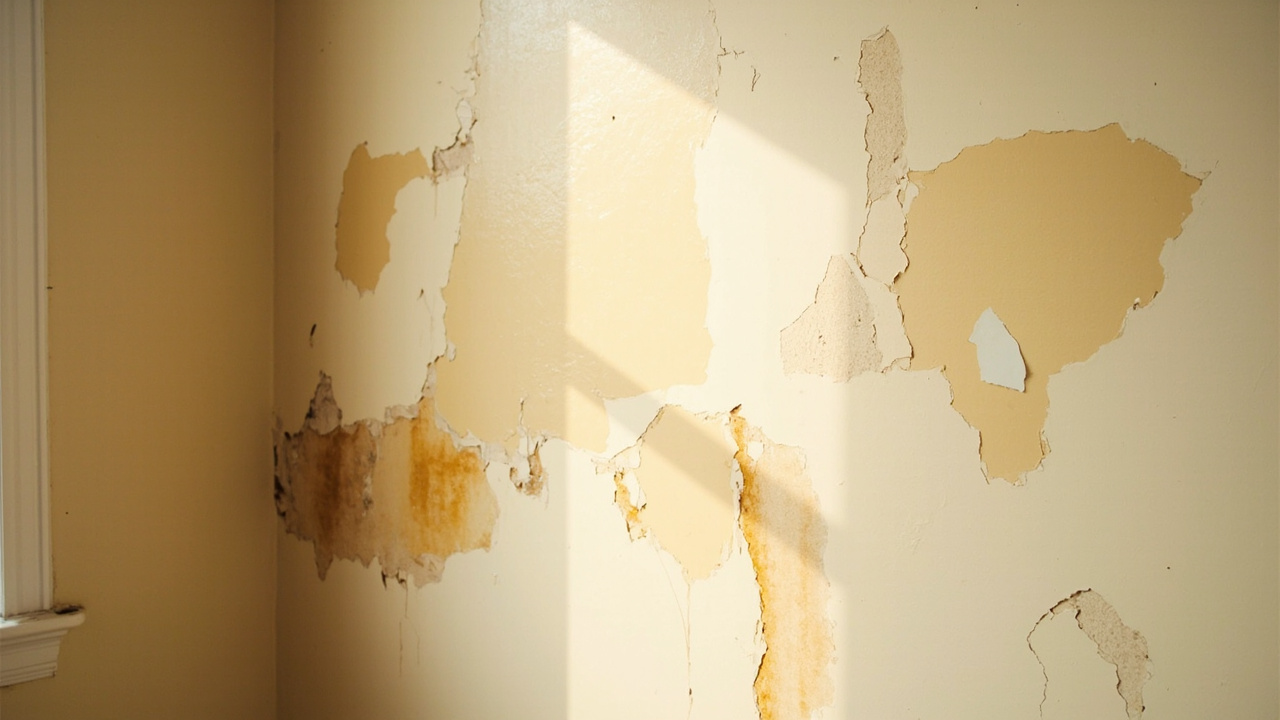
Moisture discoloration on sheetrock signals active water intrusion. The brown tint comes from tannins in wood framing or rust from metal fasteners. Yellow stains on drywall often indicate slow leaks that have mobilized dust and nicotine residue within the wall assembly. Both mean the paper backing on your drywall is saturated, creating ideal conditions for mold colonization within 48 to 72 hours.

Painting over stains without addressing the moisture source guarantees recurrence. You need to find where the water enters, stop it, then assess whether the affected drywall requires drying or replacement.

Why Water Stains Keep Appearing in Washington, D.C. Homes
How We Locate and Stop the Source Behind Water Stains

How We Locate and Stop the Source Behind Water Stains

Finding the entry point matters more than treating the visible stain. Water migrates along studs, joists, and electrical conduit before surfacing as brown water spots on walls several feet from the actual breach. We use a three-layer diagnostic approach that eliminates guesswork.

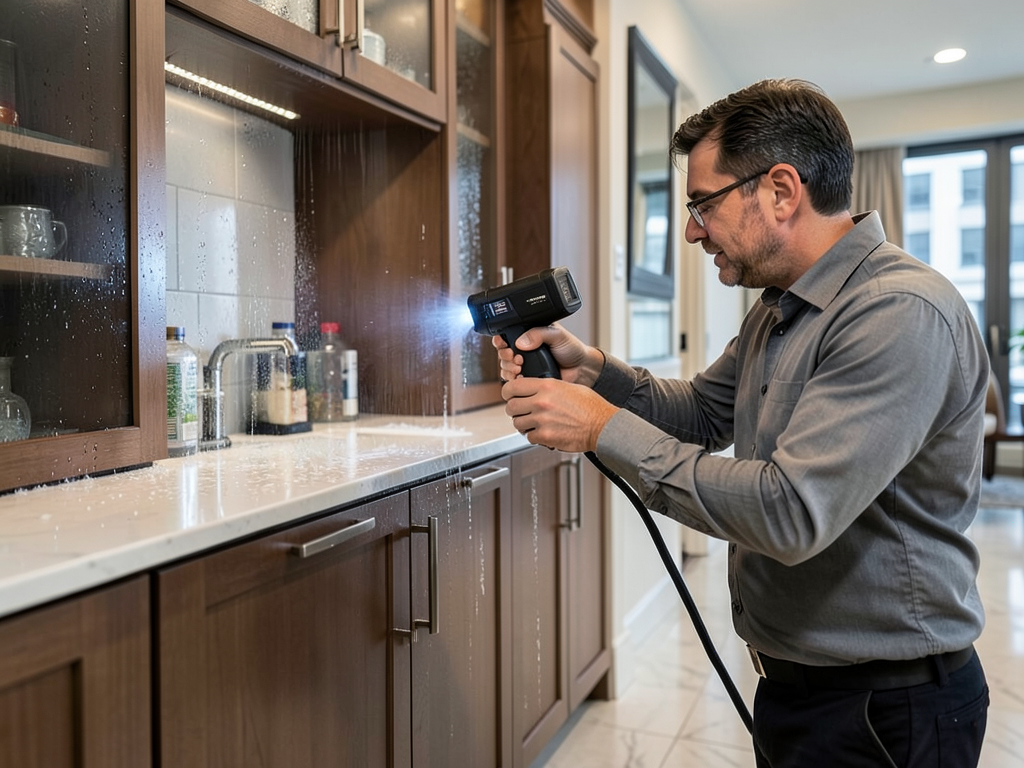
Thermal imaging cameras detect temperature differentials caused by evaporative cooling. Wet building materials read colder than surrounding dry surfaces. We scan wall cavities, ceiling plenums, and floor assemblies to map the moisture footprint. This shows us whether the wet patches on plasterboard you see represent the leak location or just the drainage terminus.

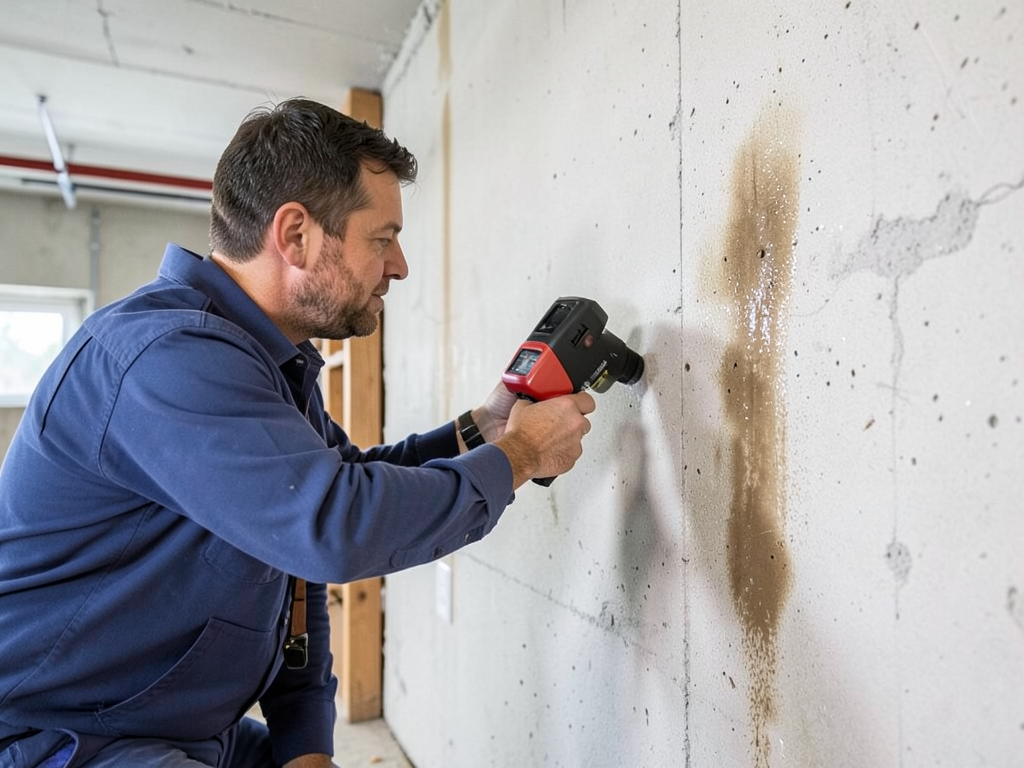
Moisture meters with penetrating probes measure water content percentage in wood framing and gypsum board at various depths. Surface readings tell us if the issue is condensation. Deep readings indicate plumbing failure or exterior envelope breach. We take measurements in a grid pattern extending three feet beyond visible staining to establish the full saturation zone.

Pressure testing isolates plumbing faults. We cap supply lines and monitor pressure drop over 15 minutes. For drain stacks, we introduce non-toxic smoke to reveal cracks in cast iron pipes hidden behind finished walls. In older District buildings with galvanized supply lines, pinhole leaks often cluster where dissimilar metals create galvanic corrosion.

Once we identify the source, we coordinate the appropriate trade to execute repairs. A roofer addresses flashing failures. A plumber replaces corroded pipe sections. We then extract remaining moisture from structural cavities using commercial dehumidifiers and air movers positioned based on psychrometric calculations, not guesswork. Only after we document moisture levels below 15 percent do we discuss drywall restoration.

What Happens When You Call About Water Stains

Water Stains on Drywall in Washington, D.C. – Expert Diagnosis Before Mold Takes Hold
01

Initial Assessment

We arrive with thermal imaging equipment and moisture detection tools to map the full extent of saturation behind your walls. You show us the visible water marks on ceiling and wall surfaces. We document the pattern, photograph the damage for insurance records, and begin non-invasive scanning to trace moisture migration paths. This diagnostic phase takes 30 to 45 minutes and gives us the data needed to pinpoint the intrusion source.
02

Source Identification and Containment

Using probe readings and thermal differentials, we isolate whether the brown water spots on walls stem from plumbing failure, roof leak, or condensation. We may open small inspection ports in drywall to visually confirm pipe condition or insulation saturation. If the source requires immediate shutoff, we help you locate the appropriate valve or circuit breaker. We then position containment barriers to prevent cross-contamination into unaffected rooms during the drying process.
03

Drying and Restoration Planning

Once the moisture source is stopped, we deploy drying equipment calibrated to your specific humidity levels and building materials. We monitor drying progress with daily moisture readings until structural elements return to normal ranges. At that point, we provide a scope of work detailing which sections of moisture discoloration on sheetrock can be sealed and painted versus which require replacement due to delamination or microbial growth. You receive a clear action plan, not upselling.

Why District Homeowners Trust Local Water Damage Expertise

Generic restoration companies treat water stains on drywall as cosmetic issues. They sand, prime, and repaint without confirming the moisture source is eliminated. Three months later, yellow stains on drywall reappear and you pay twice for incomplete work.

Reliance Water Damage Restoration Washington DC understands the building stock throughout the District. We know that rowhouses in Shaw and Columbia Heights often have shared party walls with interconnected plumbing chases. A leak in your neighbor's second floor bathroom can manifest as wet patches on plasterboard in your first floor dining room. We investigate beyond your property lines when drainage patterns suggest it.

We recognize that historic homes in Foggy Bottom and Capitol Hill have plaster over wood lath, not modern drywall. When brown water spots on walls appear on these surfaces, the repair methodology changes. Plaster requires different drying techniques and longer equilibration times. Attempting to speed the process with excessive heat causes cracking and key coat failure.

Our technicians carry DC Department of Consumer and Regulatory Affairs permits for work requiring building permits. When water damage affects structural framing or electrical systems, we coordinate inspections so your repairs meet code. This prevents complications during future home sales or insurance claims.

We also navigate the complexities of properties within historic overlay districts. If your Federal-style home requires exterior work to address the roof penetration causing water marks on ceiling surfaces, we help you understand Historic Preservation Review Board requirements before work begins. This saves you from permit violations and stop-work orders.

You get technicians who understand District architecture, local building codes, and the unique moisture challenges posed by Potomac basin humidity. That knowledge base prevents repeat failures and protects your investment.

What the Water Stain Investigation and Remediation Process Involves

Response Time and Scheduling

We dispatch technicians to District addresses within two hours for emergency water intrusion and schedule diagnostic appointments within 24 hours for chronic staining issues. Most assessments occur the same day you call. You receive a written moisture map and source identification report before we leave your property. If drying equipment is needed, we install it during the initial visit to prevent mold establishment. Non-emergency cosmetic evaluations happen within 48 hours. We work around your schedule because water damage does not respect business hours.

How the Moisture Investigation Works

Our assessment starts with your observations about when the brown water spots on walls first appeared and whether they change size after rain or during specific seasonal conditions. We then scan affected areas with thermal imaging to detect temperature anomalies indicating evaporative cooling from hidden moisture. Moisture meters with insulated pins measure water content at multiple depths within wall and ceiling assemblies. We document readings in unaffected areas to establish baseline levels for your building materials. You see the data in real time and understand exactly what the numbers mean for your home.

Drying and Documentation Standards

We follow Institute of Inspection Cleaning and Restoration Certification standards for structural drying. Dehumidifiers and air movers run continuously until moisture readings drop below 15 percent in wood framing and 0.5 percent in gypsum board. We take daily readings and log them in a drying chart that becomes part of your insurance documentation. When materials reach equilibrium moisture content, we provide a certificate of completion showing before and after readings. This protects you if moisture-related issues resurface and proves due diligence to insurance adjusters reviewing your claim.

Post-Remediation Monitoring

After we complete drying and any necessary drywall replacement, we offer a 30-day follow-up moisture check at no charge. This confirms that the source repair eliminated the intrusion and that no latent moisture remains in wall cavities. If new water marks on ceiling or wall surfaces appear within this window, we return immediately to reassess at no additional diagnostic fee. We also provide guidance on monitoring humid summer months when condensation risks peak in District homes. You receive recommendations for dehumidifier placement, ventilation improvements, and early warning signs that indicate recurrence.

Frequently Asked Questions

You Have Questions,
We Have Answers

How do you get water stains out of drywall? +

You cannot remove water stains from drywall without addressing the source first. Stop the leak immediately. Let the drywall dry completely for 48 to 72 hours using fans and dehumidifiers. Washington, D.C.'s high humidity slows this process. Once dry, test moisture levels with a meter. If the drywall is firm and not sagging, apply a stain-blocking primer like Kilz or Zinsser BIN to seal the discoloration. Then paint. If the drywall feels soft or crumbles, it needs replacement. Stains mean water penetration, and hidden mold often follows in our humid climate.

Can I paint over water stained drywall? +

Painting over water stained drywall without prep leads to failure. The stain will bleed through standard paint within days. You must use a stain-blocking primer first. Products like shellac-based or oil-based primers seal tannins and prevent bleed-through. Water-based primers will not work on water stains. Before priming, confirm the drywall is completely dry and the leak is fixed. Washington, D.C.'s older housing stock often has plaster or multiple paint layers, which complicates adhesion. If the stain keeps reappearing after priming, moisture is still present, and you need professional inspection.

Should I replace water stained drywall? +

Replace water stained drywall if it shows structural damage. Look for sagging, soft spots, crumbling edges, or bulging. If the surface feels spongy when pressed, the gypsum core has deteriorated. Stains alone do not always mean replacement. Firm, dry drywall with surface staining can be primed and painted. Washington, D.C. homes, especially in Georgetown and Capitol Hill, often have plaster walls misidentified as drywall. Plaster requires different repair techniques. If stains cover large areas or appear repeatedly, hidden leaks or roof issues are likely. Mold testing is recommended before sealing stains, as our humid summers accelerate growth.

What does water damage look like on drywall? +

Water damage on drywall appears as yellow, brown, or rust-colored stains with irregular edges. Fresh leaks create dark, wet patches that feel cool to the touch. Older damage shows as dried rings or streaks. You may see bubbling paint, peeling texture, or soft spots. Severe cases cause sagging or bowing. Washington, D.C.'s temperature swings and humidity create condensation issues in attics and crawl spaces, leading to ceiling stains. Check for musty odors, which indicate mold growth behind the surface. Stains near windows often come from flashing failures, common in our freeze-thaw cycles.

How District Humidity and Historic Construction Accelerate Water Stain Damage

Washington, D.C. sits at the confluence of the Potomac and Anacostia rivers, creating a humid microclimate that persists year-round. Summer dew points regularly exceed 65 degrees, keeping relative humidity above 70 percent even with air conditioning. This moisture-saturated air infiltrates wall cavities through gaps in historic masonry and condensates on cold surfaces. When yellow stains on drywall or wet patches on plasterboard form, they dry slowly because ambient humidity prevents evaporation. Mold spores activate faster here than in arid climates. What might remain cosmetic damage in Phoenix becomes a microbial bloom within three days in District conditions.

Most residential properties within the District were built before 1960, many using solid masonry construction with interior plaster finishes. These assemblies lack vapor barriers and insulation, making them vulnerable to condensation when modern HVAC systems introduce temperature differentials. Reliance Water Damage Restoration Washington DC has remediated moisture discoloration on sheetrock in hundreds of historic rowhomes where original construction methods meet modern occupant expectations. We understand how cast iron radiator systems, knob and tube wiring chases, and lime-based plasters behave under moisture exposure. That institutional knowledge prevents demolition of salvageable historic materials and ensures repairs respect the building's original assembly. Local expertise matters when your home predates modern building codes.
Water Damage Restoration Services in The Washington DC Area

While we primarily offer mobile, on-site water damage restoration services throughout Washington D.C., you can view our main operational hub and service area on the map below. We are strategically located to ensure rapid deployment and efficient response times to all emergencies across the region, bringing our expert services directly to your property wherever you are within our service footprint.

Address:
Reliance Water Damage Restoration Washington DC, 200 Massachusetts Ave NW, Washington, DC, 20001

Additional Services We Offer

Our news updates

Latest Articles & News from The Blogs

Why Your New Condo at The Wharf Might Experience Balcony Drainage Flooding Living in a luxury condo at The Wharf…

Why Your New Condo at The Wharf Might Experience Balcony Drainage Flooding

Why Your New Condo at The Wharf Might Experience Balcony Drainage Flooding Living in a luxury condo at The Wharf…

Dealing with Potomac River Seepage in Your Georgetown Waterfront Retail Space

Dealing with Potomac River Seepage in Your Georgetown Waterfront Retail Space Georgetown's waterfront retail spaces face unique water damage risks…

What Every DC Homeowner Needs in a Flood Emergency Kit Before the Next Storm Hits

What Every DC Homeowner Needs in a Flood Emergency Kit Before the Next Storm Hits Washington DC homeowners face unique…

Contact Us

Every day you wait allows moisture to migrate deeper into wall cavities and ceiling assemblies. Call Reliance Water Damage Restoration Washington DC at (771) 223-8077 right now. We will schedule your diagnostic assessment, identify the intrusion source, and stop the damage before mold establishes. Your home deserves better than repeated paint jobs over active leaks.