




Menu

Fire Sprinkler Water Cleanup in Washington, D.C. – 24/7 Emergency Response Stops Damage Fast

When fire sprinklers discharge unexpectedly, water spreads fast through walls, floors, and ceilings. Our emergency sprinkler water removal crews arrive within 60 minutes to extract standing water, prevent mold growth, and protect your property from total loss.

Slider Image 1
Slider Image 2
Slider Image 3
Slider Image 4
Slider Image 5
Slider Image 7
Slider Image 8
Slider Image 9
Slider Image 10
Slider Image 11

Accidental Sprinkler Discharge Floods Washington, D.C. Buildings in Minutes

A single activated fire sprinkler head releases 15 to 60 gallons of water per minute. In older buildings across Capitol Hill, Dupont Circle, and Georgetown, these systems often trigger accidentally due to aging components, mechanical damage during renovations, or freezing pipes during Washington's harsh winter cold snaps. The result is catastrophic flooding that spreads horizontally through open floor plans and vertically through ceiling voids.

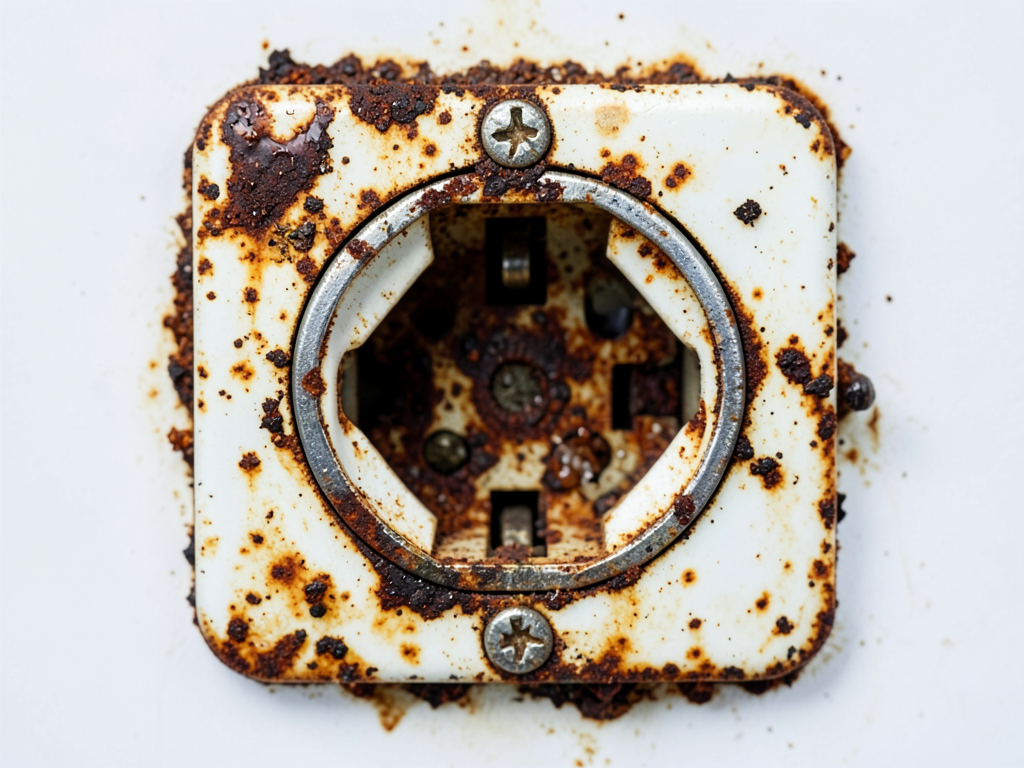
Water from fire suppression systems is not clean tap water. It sits stagnant in pipes for years, accumulating sediment, rust, and bacteria. When released, this contaminated water saturates drywall, insulation, hardwood floors, and subflooring within minutes. In multi-story buildings, gravity pulls water downward through light fixtures, HVAC chases, and wall cavities, damaging units or rooms far from the original discharge point.

Washington's high humidity compounds the problem. Moisture trapped inside walls does not evaporate quickly. Within 24 to 48 hours, mold colonies begin forming on organic materials like wood framing, paper-faced drywall, and carpet backing. The longer water sits, the deeper it penetrates and the more expensive remediation becomes.

Accidental sprinkler discharge cleanup requires immediate water extraction, structural drying, and antimicrobial treatment. You cannot wait for business hours. Every hour of delay increases secondary damage, raises restoration costs, and extends the timeline before you can safely reoccupy the space. Fire sprinkler water damage restoration is a time-critical emergency that demands professional equipment and proven methodology.

Accidental Sprinkler Discharge Floods Washington, D.C. Buildings in Minutes
How Emergency Sprinkler Water Removal Protects Your Property

How Emergency Sprinkler Water Removal Protects Your Property

Fire suppression system water extraction follows a strict sequence designed to stop damage progression and salvage materials before they become total losses. The process starts with source control. Our crews immediately identify which sprinkler head or zone triggered, then coordinate with building management or your plumber to isolate the system and stop the flow.

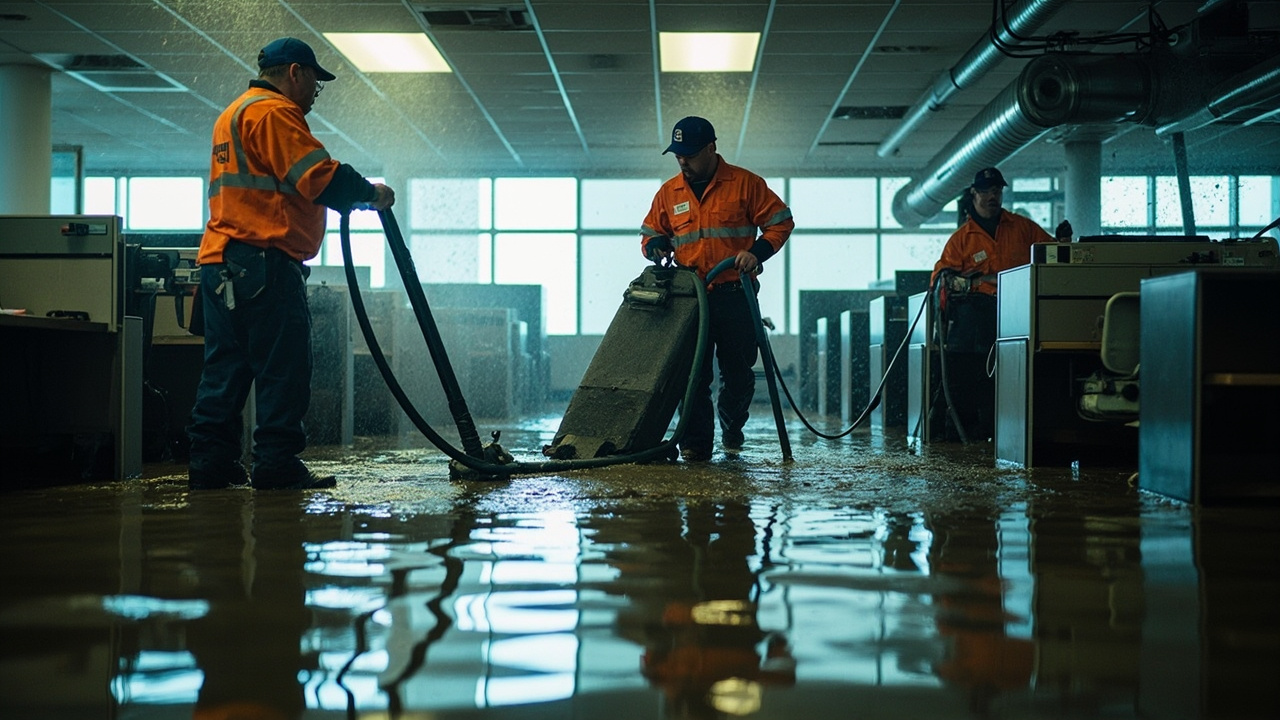
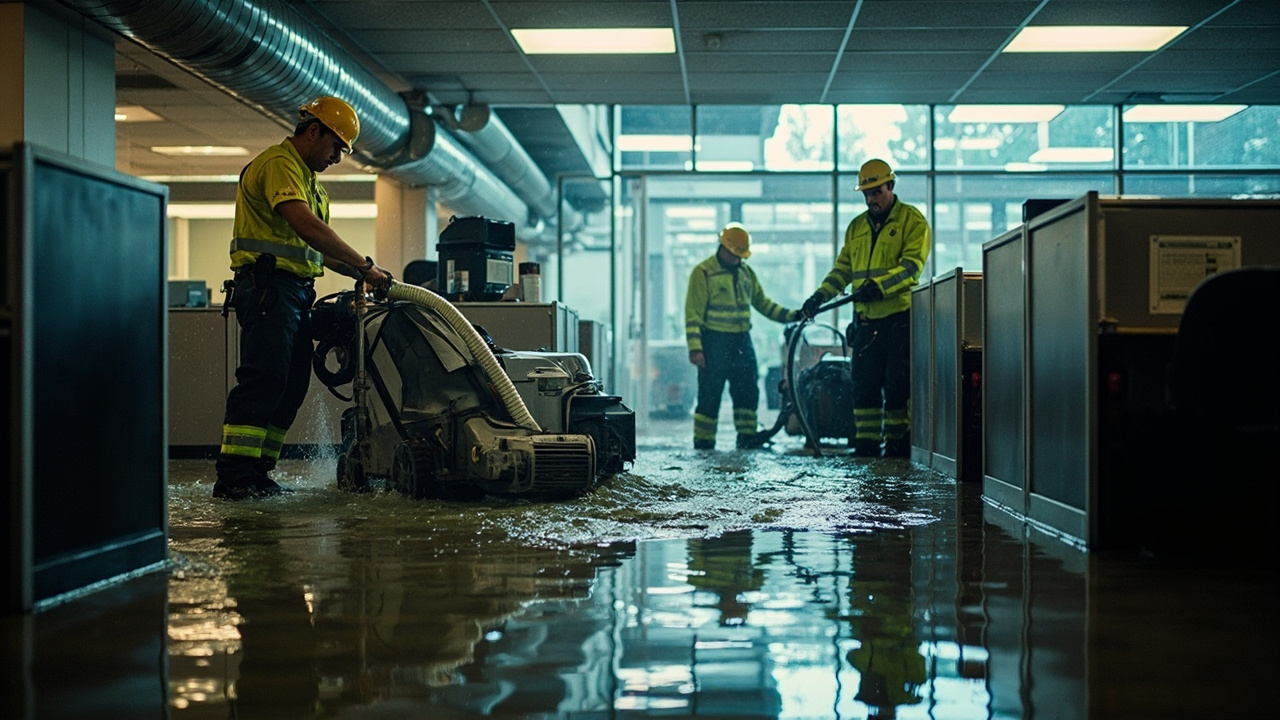
Next comes rapid water extraction using truck-mounted vacuum systems and portable extractors. We remove standing water from floors, carpets, and saturated materials before it can migrate deeper into the structure. Surface water is only part of the problem. Water wicks upward into drywall through capillary action and laterally through wall cavities along framing members.

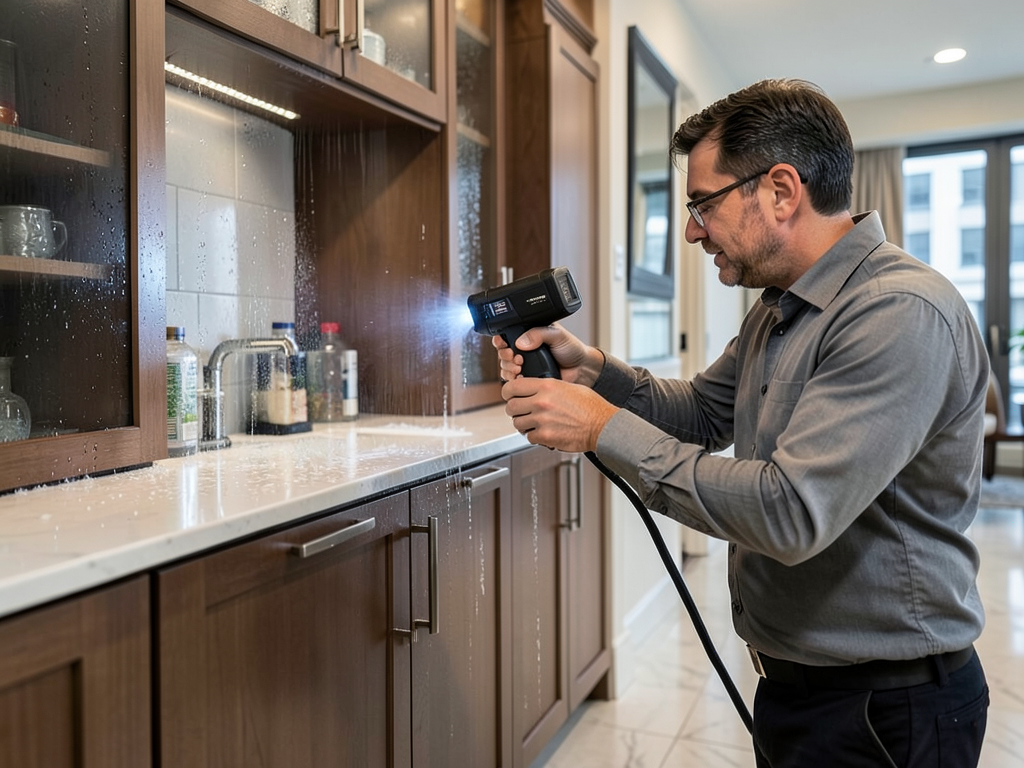
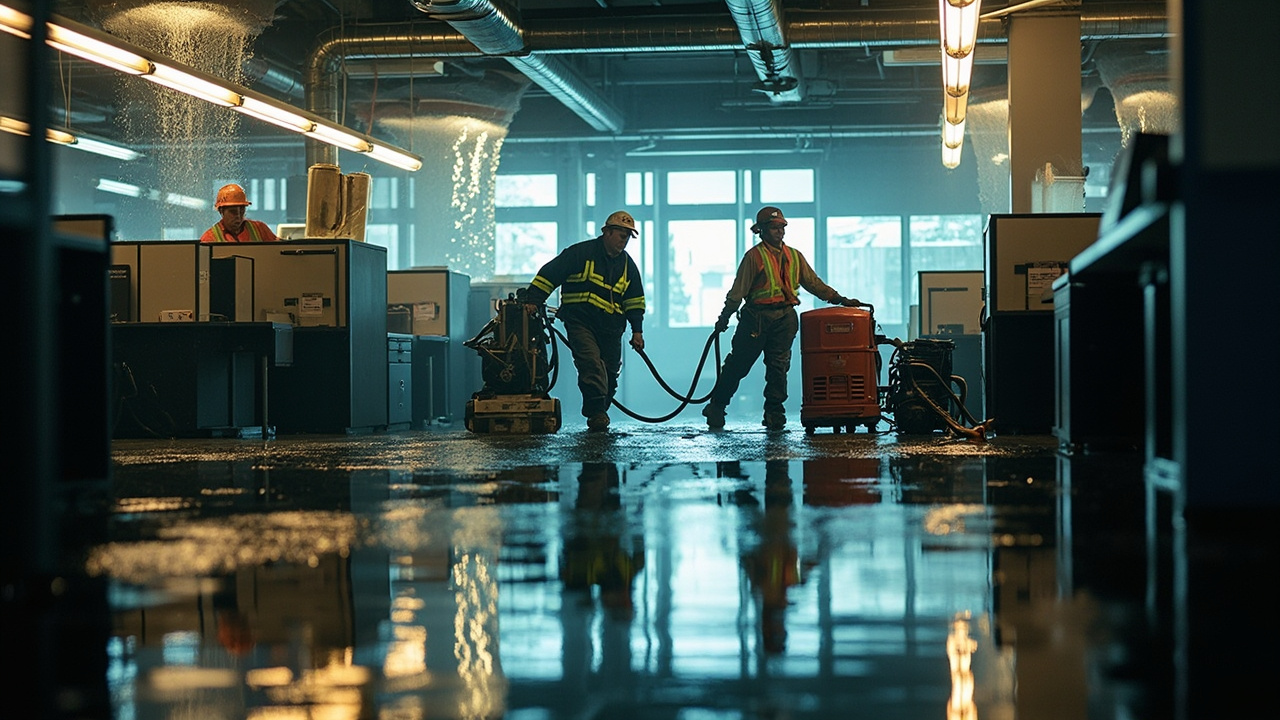
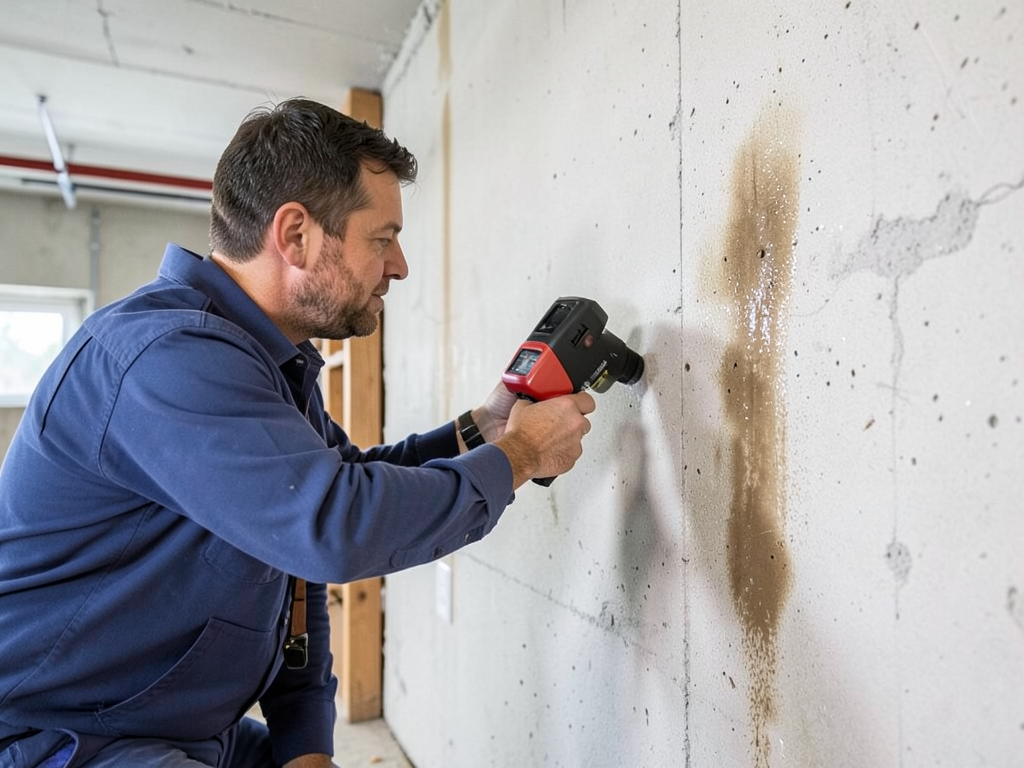
After extraction, we deploy commercial-grade air movers and refrigerant dehumidifiers to create controlled airflow patterns that accelerate evaporation. Strategic placement forces moisture out of hidden spaces like wall cavities, subfloors, and ceiling plenums. We monitor moisture levels in structural materials using penetrating pin meters and non-invasive infrared cameras to track drying progress and identify hidden saturation.

Thermal imaging reveals temperature differentials caused by evaporative cooling in wet materials. This allows us to locate trapped moisture behind finished surfaces without destructive demolition. We document moisture readings daily to establish drying curves and determine when materials have returned to acceptable moisture content levels.

Burst fire sprinkler flood remediation also requires antimicrobial treatment. We apply EPA-registered disinfectants to all affected surfaces to neutralize bacteria and prevent microbial growth during the drying process. This step is non-negotiable when dealing with contaminated sprinkler water that has been sitting in pipes for years.

What Happens When You Call for Fire Sprinkler Water Cleanup

Fire Sprinkler Water Cleanup in Washington, D.C. – 24/7 Emergency Response Stops Damage Fast
01

Immediate Dispatch and Assessment

Your call triggers immediate crew dispatch to your Washington, D.C. location. We arrive with truck-mounted extraction equipment, moisture detection tools, and containment supplies. Our first priority is stopping active water flow, then performing a room-by-room damage assessment using moisture meters and thermal imaging to map the full extent of saturation. This initial survey determines equipment needs and establishes a remediation timeline.
02

Water Extraction and Drying

We extract all standing water using high-capacity vacuum systems, then place air movers and dehumidifiers in calculated positions to create optimal drying conditions. Controlled demolition may be necessary to access saturated wall cavities or remove non-salvageable materials like soaked insulation. We monitor moisture levels twice daily, adjusting equipment placement as materials dry. Most structures reach acceptable moisture content within three to five days under proper drying protocols.
03

Sanitization and Documentation

Once structural materials achieve dry standards, we apply antimicrobial treatments to all affected surfaces and conduct final moisture verification testing. You receive detailed documentation including moisture logs, thermal images, equipment placement diagrams, and material disposal records. This documentation package supports insurance claims and provides certification that remediation met industry standards. We coordinate directly with your insurance adjuster to streamline the claims process and expedite reimbursement.

Why Washington, D.C. Properties Need Local Fire Sprinkler Water Damage Specialists

Fire sprinkler water damage restoration in Washington requires knowledge of local building construction methods and regulatory requirements. Many structures in neighborhoods like Shaw, Adams Morgan, and Foggy Bottom were built between 1890 and 1940 using solid masonry walls, plaster on wood lath, and balloon framing. These construction methods create unique challenges when water infiltrates the building envelope.

Balloon framing, common in older row houses, uses continuous wall studs that run from foundation to roof without fire stops. This creates vertical chases that act as chimneys for water migration. A sprinkler discharge on the third floor can travel downward through wall cavities and emerge two floors below, saturating materials far from the original water source.

Solid masonry walls absorb water like sponges. Brick and mortar have high porosity, and once saturated, they release moisture slowly over weeks. Standard drying equipment alone cannot adequately dry thick masonry walls. Specialized drying techniques, including injection drying systems and heat application, are necessary to extract moisture from dense materials without causing thermal shock or efflorescence.

Washington's building codes require specific protocols for water damage remediation in historic districts and buildings on the National Register. Work in these protected structures must preserve historic fabric while meeting modern safety standards. You cannot simply rip out plaster walls and replace them with drywall. Restoration must match original materials and methods, which requires contractors familiar with traditional building techniques.

We work with your building's sprinkler system contractor and property manager to document the failure, coordinate system repairs, and ensure compliance with D.C. Fire Code requirements. Our experience with commercial buildings, residential properties, and mixed-use developments across all eight wards gives us the institutional knowledge to navigate local permit requirements and expedite approvals.

What to Expect During Fire Suppression System Water Extraction

Response Time and Availability

We maintain 24/7 emergency response coverage for fire sprinkler discharge events throughout Washington, D.C. and surrounding areas. Call volume does not affect our response capability. We dispatch crews immediately upon receiving your call, with arrival times typically under 60 minutes for locations within the District. Our trucks are pre-loaded with extraction equipment, air movers, dehumidifiers, moisture meters, and antimicrobial treatments. We do not need to return to the shop for supplies, which eliminates delays and gets water removal started faster. Night, weekend, and holiday calls receive the same priority as weekday emergencies.

Initial Damage Assessment Process

The assessment phase involves systematic moisture mapping using calibrated pin-type and pinless moisture meters. We test floors, walls, ceilings, and contents in all affected areas plus adjacent spaces where hidden migration may have occurred. Thermal imaging cameras identify temperature differentials that indicate trapped moisture behind finished surfaces. You receive a written scope of work that details affected materials, equipment requirements, estimated drying time, and demolition needs. This document serves as your roadmap for the entire restoration process and provides the documentation your insurance carrier needs to authorize work.

Final Drying Standards and Verification

Restoration is complete when all structural materials return to their pre-loss moisture content levels, verified through direct measurement. Wood framing should read below 15% moisture content, concrete below 4%, and drywall below 1%. We take final readings in the same locations tested during initial assessment to provide direct comparison. You receive a certification letter confirming that drying met IICRC S500 standards for water damage restoration. This certification protects you from future mold claims and provides documentation that remediation was performed correctly according to industry best practices.

Post-Remediation Support and Reconstruction

Emergency water removal is only the first phase. Most sprinkler discharge events require some level of reconstruction to replace materials that were too damaged to salvage. We provide full reconstruction services including drywall replacement, flooring installation, painting, and finish work. This single-source approach eliminates coordination headaches and accelerates your timeline to reoccupancy. You work with one company from emergency call through final walk-through, with a single point of contact managing the entire project. We also provide referrals to qualified fire sprinkler system contractors for any necessary repairs to the suppression system itself.

Frequently Asked Questions

You Have Questions,
We Have Answers

Is fire sprinkler water clean? +

No. Fire sprinkler water is not clean. It sits stagnant in pipes for months or years, collecting rust, sediment, bacteria, and biofilm. When discharged, this water is typically black or brown and smells foul. It can stain floors, walls, and belongings. In Washington, D.C., older buildings often have aging pipe infrastructure, which worsens contamination. This water poses health risks and requires professional cleanup. Do not attempt to clean it yourself. Contact a certified water damage restoration company immediately to extract the water, disinfect surfaces, and prevent mold growth in your property.

What is the 3x rule for sprinklers? +

The 3x rule for sprinklers means you must maintain a minimum clearance of 18 inches below sprinkler heads in all directions. This ensures proper water distribution during a fire event. Obstructions like storage boxes, hanging decorations, or ceiling-mounted equipment can block spray patterns and reduce system effectiveness. In Washington, D.C., building code enforcement takes this seriously, especially in commercial properties and historic structures. Violations can result in fines or failed inspections. After a sprinkler discharge, restoration teams check clearances during cleanup to help you maintain compliance and prevent future issues.

How often do sprinkler systems need to be flushed? +

Fire sprinkler systems should be flushed annually as part of routine maintenance per NFPA 25 standards. Flushing removes sediment, rust, and debris that accumulate in pipes over time. In Washington, D.C., where many buildings are older and experience seasonal temperature fluctuations, corrosion accelerates faster. Regular flushing prevents clogs and ensures proper system function during emergencies. Building owners and property managers must schedule this with licensed fire protection contractors. If your system discharged accidentally or during a fire, professional water damage cleanup is separate from system maintenance and must happen immediately.

How to drain water from a fire sprinkler system? +

Draining a fire sprinkler system requires a licensed fire protection contractor. You cannot do this yourself. The process involves closing the main control valve, opening drain valves at low points in the system, and using air compressors to clear remaining water from pipes. In Washington, D.C., improper draining violates building codes and can damage the system or leave your property unprotected. After an accidental discharge, your priority is water extraction and damage mitigation. Call a restoration company first to remove standing water and dry affected areas, then coordinate with your fire protection contractor for system inspection and refilling.

Why Washington's Historic Building Stock Makes Fire Sprinkler Leaks More Damaging

Washington, D.C. has over 30,000 buildings constructed before 1945, many featuring ornamental plaster ceilings, hardwood floors, and horsehair plaster walls. These historic materials absorb water rapidly and release it slowly, extending drying timelines compared to modern construction. Fire suppression systems retrofitted into older buildings often run through uninsulated pipe chases where winter freezing causes expansion cracks that lead to unexpected discharge. The combination of aging infrastructure, dense historic construction materials, and Washington's freeze-thaw winter cycles creates perfect conditions for catastrophic water damage when sprinkler systems fail or activate accidentally during renovations.

The District's unique zoning regulations and historic preservation requirements add complexity to water damage restoration projects. Buildings in historic districts require approval from the Historic Preservation Review Board before you can alter exterior materials or significant interior features. Our crews understand these local regulatory requirements and work within the constraints to dry buildings properly while preserving historic fabric. We have established relationships with local structural engineers, architects, and preservation consultants who can provide the technical documentation needed for permit applications when restoration work affects protected structures.
Water Damage Restoration Services in The Washington DC Area

While we primarily offer mobile, on-site water damage restoration services throughout Washington D.C., you can view our main operational hub and service area on the map below. We are strategically located to ensure rapid deployment and efficient response times to all emergencies across the region, bringing our expert services directly to your property wherever you are within our service footprint.

Address:
Reliance Water Damage Restoration Washington DC, 200 Massachusetts Ave NW, Washington, DC, 20001

Additional Services We Offer

Our news updates

Latest Articles & News from The Blogs

Why Your New Condo at The Wharf Might Experience Balcony Drainage Flooding Living in a luxury condo at The Wharf…

Why Your New Condo at The Wharf Might Experience Balcony Drainage Flooding

Why Your New Condo at The Wharf Might Experience Balcony Drainage Flooding Living in a luxury condo at The Wharf…

Dealing with Potomac River Seepage in Your Georgetown Waterfront Retail Space

Dealing with Potomac River Seepage in Your Georgetown Waterfront Retail Space Georgetown's waterfront retail spaces face unique water damage risks…

What Every DC Homeowner Needs in a Flood Emergency Kit Before the Next Storm Hits

What Every DC Homeowner Needs in a Flood Emergency Kit Before the Next Storm Hits Washington DC homeowners face unique…

Contact Us

Every minute counts when sprinkler water is flooding your building. Call Reliance Water Damage Restoration Washington DC now at (771) 223-8077 for immediate emergency response. Our crews are standing by 24/7 to stop the damage and start the restoration process.