




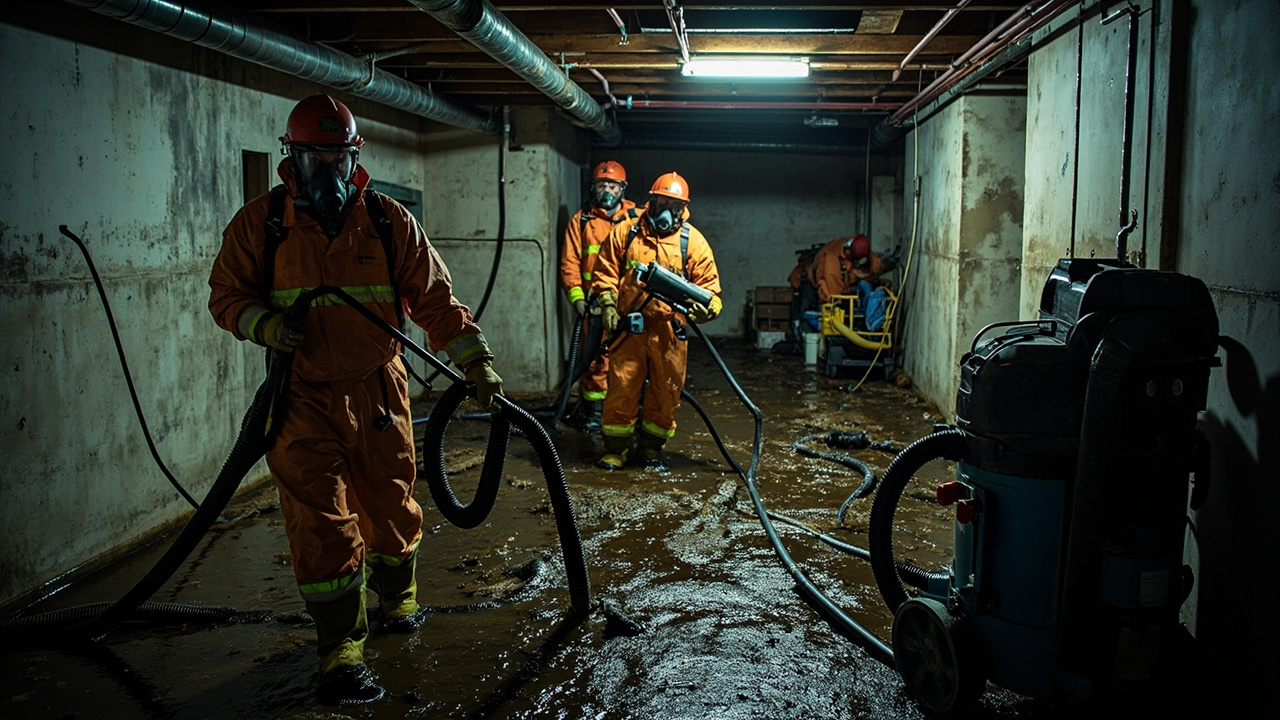
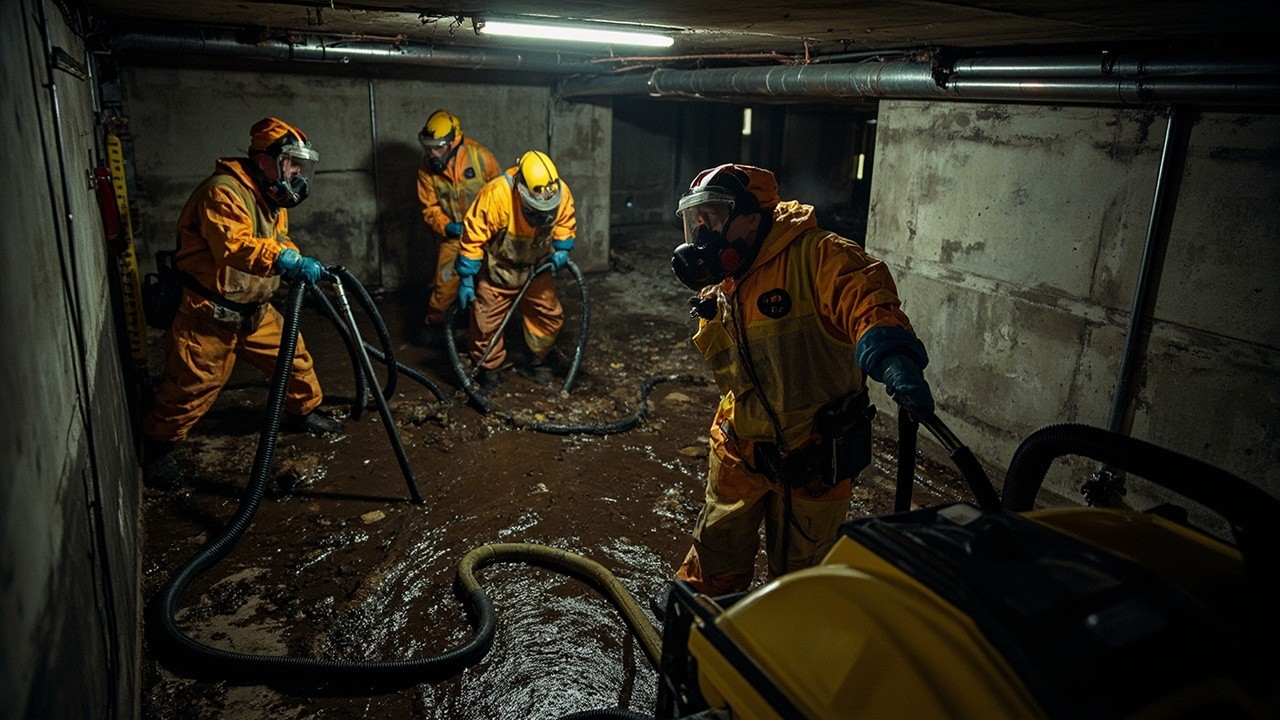
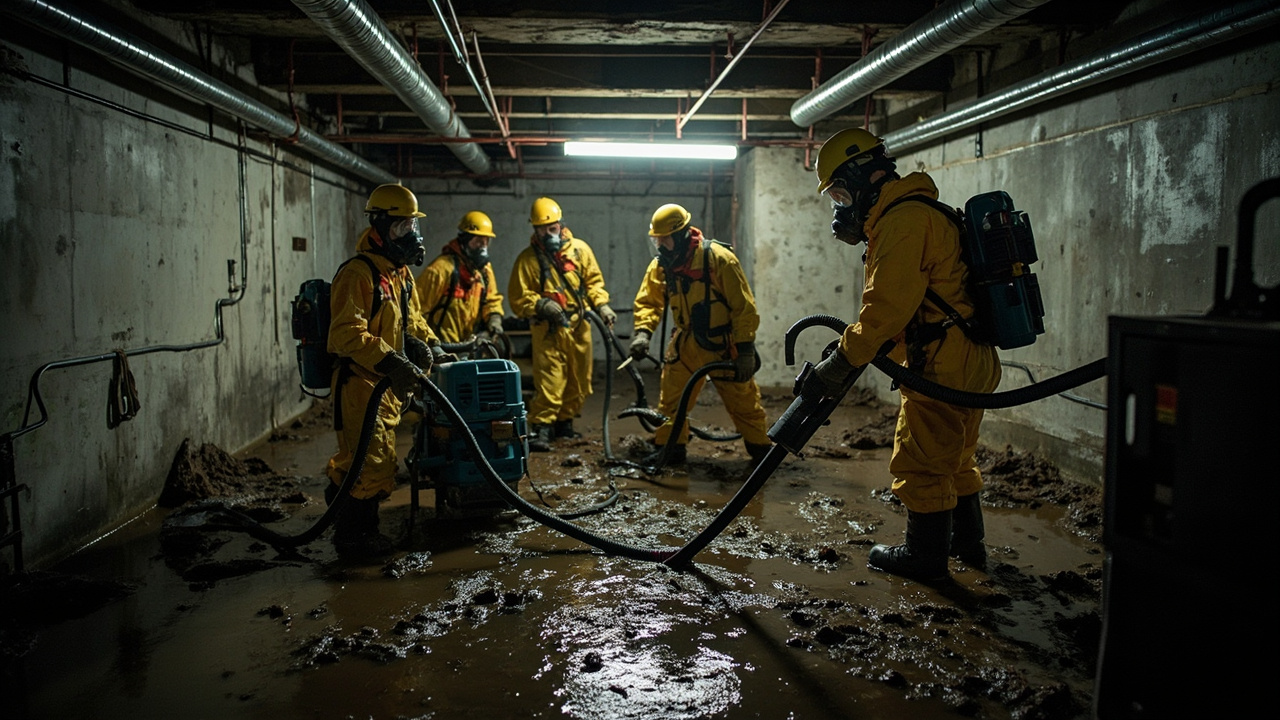
Much of Washington, D.C. relies on combined sewer infrastructure that handles both sanitary waste and stormwater in a single pipe system. During heavy rain events, which are increasing in frequency due to climate shifts, these pipes exceed capacity and force sewage back through floor drains and toilet fixtures in below-grade commercial spaces. Buildings in older neighborhoods like Adams Morgan, Columbia Heights, and Capitol Hill face the highest risk. Industrial sewage cleanup becomes necessary not because of a plumbing failure, but because the municipal system cannot handle the volume.
D.C. facility managers also face strict enforcement of the District's Green Building Act and stormwater retention regulations. If your remediation process generates wash water or involves demolition debris, disposal must comply with Title 20 environmental standards. Choosing a contractor unfamiliar with these local requirements can result in fines or stop-work orders. We handle permitting, waste manifests, and discharge compliance as part of standard service because we operate in this jurisdiction every day. Local knowledge reduces your risk.