



Washington DC's unique position at the confluence of the Potomac and Anacostia Rivers creates persistent humidity and flood risk that accelerates water damage. The District's aging infrastructure, with water mains dating back to the early 1900s in neighborhoods like Capitol Hill and Georgetown, means burst pipes and sudden flooding happen without warning. Historic row homes built on clay soil hold moisture against foundations, while modern condos in Navy Yard and Wharf District face HVAC condensation issues in humid summer months.
The city's elevation changes from Rock Creek Park down to the waterfront create drainage problems during heavy storms. When tropical systems move up the coast, low-lying areas near the Tidal Basin and Anacostia flood fast. DC's strict historic preservation codes in zones like Dupont Circle and Logan Circle mean water damage remediation must follow specific protocols to protect original plaster, hardwood, and masonry. Waiting even 24 hours in our humid climate lets mold colonies establish in walls and subfloors, turning a water emergency into a health hazard that requires extensive remediation.
Reliance Water Damage Restoration Washington DC operates from our Rhode Island Avenue facility with six rapid response vehicles stationed across Northwest, Northeast, Southeast, and Southwest quadrants. We maintain 60-minute response times because we know DC traffic patterns and keep teams positioned near high-density residential zones. Our technicians train specifically on the building types that define DC housing stock, from Federal-style row homes with plaster walls to mid-century apartment buildings with concrete slab foundations.
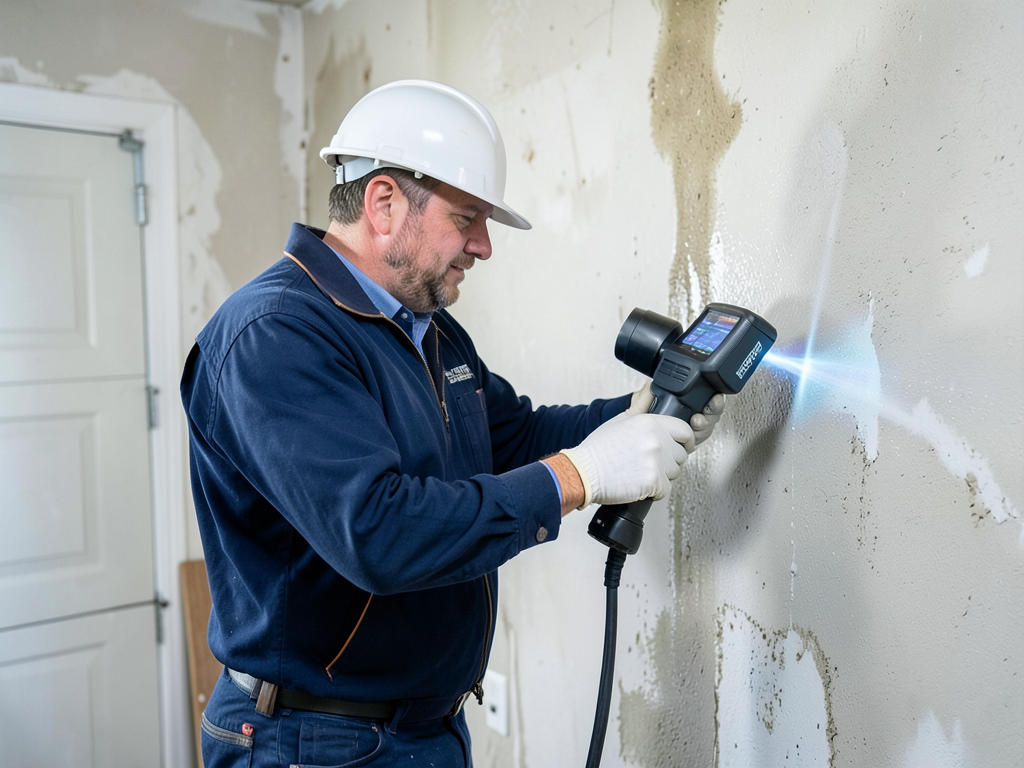
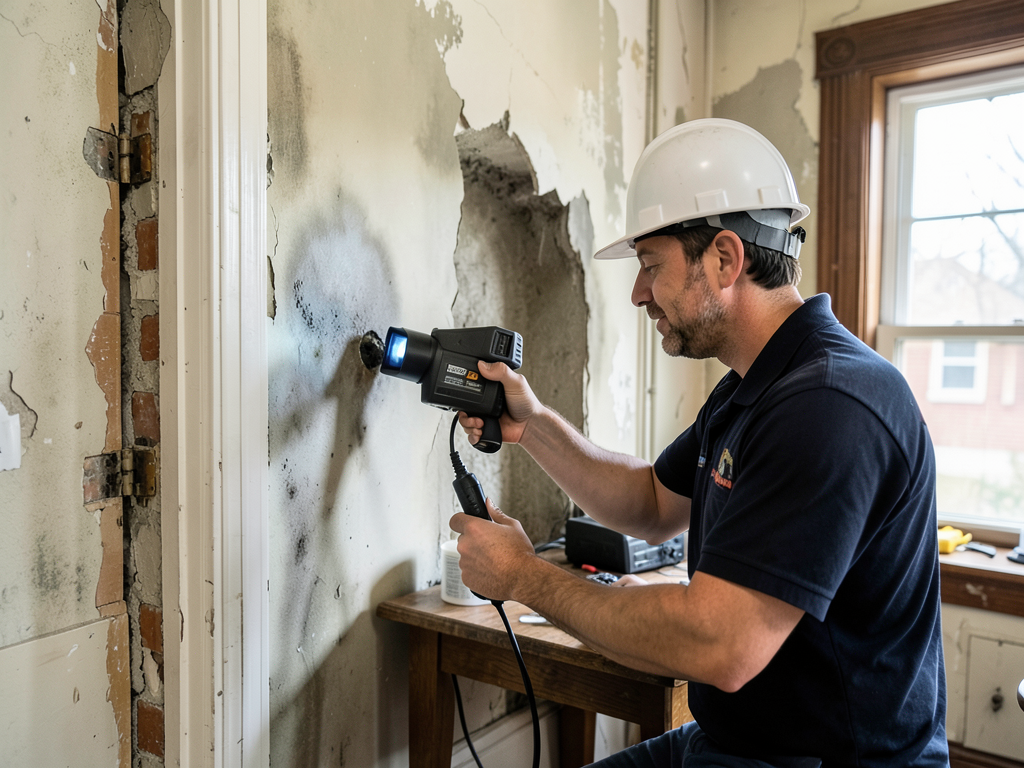
We carry IICRC certification in water damage restoration and applied structural drying, using thermal imaging cameras to find hidden moisture in walls and advanced desiccant dehumidifiers that work in DC's humid conditions. Our equipment fleet includes truck-mounted water extractors powerful enough to remove thousands of gallons from flooded basements, plus low-grain refrigerant dehumidifiers that dry hardwood floors without warping.
Every job gets photographed and moisture-mapped for insurance documentation. We work directly with major carriers like State Farm, Allstate, and USAA, submitting estimates through Xactimate so your claim processes without delays. Our project managers communicate daily until your property tests dry on calibrated moisture meters. We coordinate with DC licensed plumbers and electricians when repairs extend beyond water extraction, managing the entire restoration so you deal with one team, not multiple contractors.

Six response vehicles positioned across all four DC quadrants mean we reach properties from Tenleytown to Anacostia within one hour of your call. Our dispatchers know the fastest routes through DC traffic patterns and coordinate with on-call teams 24 hours a day, including federal holidays.

We submit detailed estimates through Xactimate with moisture readings, thermal images, and equipment logs that insurance adjusters approve fast. Our team handles all documentation and communicates directly with your carrier, so you avoid claim delays and out-of-pocket expenses during the restoration process.
Every crew member holds current IICRC certification in water damage restoration and applied structural drying. We follow industry protocols for moisture mapping, equipment placement, and drying verification using calibrated meters that document your property reached safe moisture levels before we close your project.
Our teams train on the construction types that define DC housing, from historic row homes with horsehair plaster to modern condos with concrete subfloors. We understand how water moves through different building materials and adjust extraction methods to protect original architectural details in preservation zones.
Water emergencies in DC properties take many forms, from burst supply lines in winter freezes to sewer backups during heavy storms. Reliance Water Damage Restoration Washington DC provides complete water removal services, structural drying, and contamination remediation for residential and commercial properties across all four quadrants. Our service range covers everything from emergency extraction at 3 AM to final mold prevention treatments after your property tests dry.
We categorize our work based on water source and contamination level, following IICRC S500 standards that define clean water, gray water, and black water scenarios. Each category requires different safety protocols and equipment. Our technicians assess your situation on arrival, classify the water source, and deploy the appropriate extraction and drying equipment. Whether you face a clean water supply line break or contaminated floodwater from the Anacostia, we have the training and equipment to restore your property safely.
Our truck-mounted extractors remove standing water from flooded basements, saturated carpets, and wet subfloors within hours of your call. We use weighted extraction wands that pull water from carpet padding and submersible pumps for deep basement flooding. Immediate extraction prevents water from wicking up drywall and into insulation, limiting damage spread. Our crews place air movers and dehumidifiers before leaving your property, starting the drying process the same day water enters your building.
After water extraction, moisture remains trapped in walls, subfloors, and ceiling cavities. Our IICRC-certified technicians use thermal imaging cameras to map hidden moisture, then position commercial dehumidifiers and air movers in precise configurations that create airflow through wet materials. We monitor moisture levels daily with calibrated meters, adjusting equipment until wood framing, drywall, and concrete return to normal moisture content. Complete drying typically takes three to five days depending on materials and humidity levels.
Sewage backups and contaminated floodwater require specialized safety protocols and antimicrobial treatments. Our technicians wear protective equipment and use EPA-registered disinfectants to clean affected surfaces after water removal. We remove porous materials like carpet and drywall that absorbed contaminated water, then treat remaining surfaces with antimicrobial solutions. All contaminated materials get bagged and disposed of following DC waste regulations. This service protects your family from bacteria, viruses, and pathogens present in category three water.
Washington DC's combination of aging infrastructure, seasonal weather extremes, and varied building stock creates specific water damage patterns across the District. Winter freezes burst pipes in uninsulated crawl spaces common to row homes, while summer humidity causes chronic HVAC condensation in newer buildings. Spring storms overwhelm outdated storm drains in low-lying neighborhoods near the rivers, and aging cast iron sewer lines crack under streets throughout Capitol Hill and Shaw.
Our response teams see these patterns repeat across different quadrants based on housing age and elevation. Understanding what causes water intrusion in your specific building type helps you recognize warning signs before small leaks become major damage. These four scenarios represent the most frequent emergency calls we receive from DC property owners.
DC winters bring sudden temperature drops that freeze water in uninsulated pipes running through exterior walls or crawl spaces. When frozen pipes thaw, splits in the copper release gallons per minute into wall cavities and ceilings. Row homes built before 1950 often have supply lines in exterior walls without proper insulation, making them vulnerable during cold snaps.
Tropical storms and intense summer thunderstorms overwhelm DC's combined sewer system, forcing sewage backward through floor drains in basements. Older neighborhoods with cast iron sewer laterals face higher risk as tree roots penetrate aging pipes. Sewage backups require immediate cleanup and disinfection to prevent health hazards from bacteria and pathogens.
Heavy rain saturates clay soil around foundations, creating hydrostatic pressure that forces water through basement walls and floor cracks. Properties in low-lying areas near Rock Creek or the Anacostia experience chronic seepage during wet seasons. Water enters through mortar joints in older brick foundations or through concrete cracks in newer construction.
Air conditioning condensate lines clog with algae during humid DC summers, causing overflow into ceiling cavities and walls. Water heaters fail after 10 to 15 years, releasing 40 to 80 gallons into mechanical rooms. Washing machine supply hoses burst under constant water pressure, flooding laundry areas and adjacent rooms before homeowners notice the problem.
Water emergencies create stress and confusion. You need clear answers about response time, cost, and how long your property will be disrupted. Reliance Water Damage Restoration Washington DC follows a structured approach that gives you control and transparency from first call through final inspection. Our project managers communicate daily about equipment adjustments, moisture readings, and timeline expectations.
We start every job with a damage assessment that identifies water category, affected materials, and drying strategy. You receive a written estimate before work begins, with equipment costs and labor broken down by task. Insurance customers get documentation formatted for carrier submission through Xactimate. These three commitments guide how we work with every DC property owner facing water damage.
We dispatch a crew within 60 minutes of your call, with technicians arriving in marked vehicles equipped with extraction and drying equipment. The crew chief assesses damage extent, identifies the water source, and begins containment to prevent spread. You receive an on-site explanation of what happened, what needs to happen next, and estimated timeline for drying. Emergency extraction starts immediately to remove standing water and protect unaffected areas.
Our technicians visit your property daily to take moisture readings, adjust equipment placement, and empty dehumidifier reservoirs. You receive text or call updates about moisture levels trending toward dry standards. The project manager explains any timeline changes based on moisture readings and discusses next steps like carpet reinstallation or drywall repair. We answer questions about insurance process, temporary living arrangements, or contractor coordination throughout the drying period.
We remove drying equipment only after moisture meters confirm all materials returned to normal levels. You receive a completion report with before and after moisture readings, equipment logs, and photos documenting the restoration process. This documentation goes to your insurance carrier with final invoicing. Our warranty covers the drying process, and we provide referrals to DC licensed contractors for any reconstruction work beyond our scope.
Water damage restoration follows a structured sequence that progresses from emergency response to complete drying verification. We break this into three distinct phases that keep you informed and ensure thorough moisture removal from your DC property.
Our crew chief inspects your property to identify water category, measure affected square footage, and locate moisture in hidden areas using thermal imaging. We classify the water source as clean, gray, or black water to determine safety protocols. Truck-mounted extractors remove standing water from floors and carpets, while weighted tools pull water from padding and subflooring. We document pre-existing damage and take photos for insurance claims before starting extraction work.
After extraction, technicians position commercial air movers and dehumidifiers in configurations designed for your specific building layout and affected materials. Air movers create airflow across wet surfaces and through wall cavities. Dehumidifiers pull moisture from the air, preventing it from re-absorbing into materials. We monitor moisture levels daily and adjust equipment based on meter readings. This phase runs three to five days for most water damage scenarios.
Final moisture readings confirm all affected materials reached normal moisture content before we remove equipment. You receive documentation showing moisture levels returned to industry standards. We coordinate any needed repairs with DC licensed contractors and provide final invoicing to your insurance carrier. Our project manager conducts a walkthrough to answer remaining questions and ensure you understand the warranty on our drying work.
Professional water damage restoration follows protocols established by the Institute of Inspection, Cleaning and Restoration Certification, specifically the IICRC S500 Standard for Water Damage Restoration. This document defines water categories, establishes drying goals, and specifies equipment placement strategies based on building materials and damage extent. Category 1 water originates from sanitary sources like supply lines and poses minimal health risk. Category 2 gray water contains contaminants from sources like dishwasher discharge or washing machine overflow. Category 3 black water comes from sewage, flooding rivers, or any water that contacted fecal matter or toxins.
Washington DC properties require specific attention to psychrometric principles because our humid climate slows evaporation rates. Relative humidity above 60 percent prevents effective drying even with air movement, which is why commercial dehumidifiers are essential rather than optional. Our low-grain refrigerant dehumidifiers remove moisture from air more efficiently than residential units, creating conditions where wet materials can release trapped water through evaporation.
Moisture meters measure water content in building materials using electrical resistance or electromagnetic scanning. Wood framing should read below 15 percent moisture content, while concrete should fall below 4 percent on a calcium carbide test. Drywall dries to acceptable levels around 12 percent. We document these readings daily to verify drying progress and provide proof of complete restoration for insurance carriers and property owners. Thermal imaging cameras detect temperature differences caused by evaporating water, revealing moisture hidden behind walls or under flooring without destructive testing.
IICRC standards classify water as Category 1 clean, Category 2 gray, or Category 3 black based on contamination level and health risk. Clean water from supply lines requires different protocols than sewage backups. Water category degrades over time, so clean water becomes gray water after 48 hours of contact with building materials, requiring more aggressive treatment.
Professional restoration requires commercial dehumidifiers rated for specific grain depression and air movers generating minimum 2,000 CFM airflow. Equipment quantity depends on affected square footage and material porosity. DC's humid climate demands more dehumidification capacity than drier regions. Insurance carriers expect contractors to follow IICRC equipment placement guidelines based on drying class and evaporation rate calculations.
Most water damage dries in three to five days with proper equipment placement, but timeline varies by material type, water volume, and ambient humidity. Hardwood floors and plaster walls take longer than drywall and concrete. Summer humidity extends drying time compared to winter. We monitor daily moisture readings rather than relying on fixed schedules to determine equipment removal.
Mold growth begins within 24 to 48 hours in moist environments above 60 percent relative humidity. Rapid drying prevents colonization by reducing moisture below levels that support growth. We apply antimicrobial treatments to affected surfaces after category 2 or 3 water contact. Materials that absorbed contaminated water get removed rather than dried because bacteria and mold roots penetrate porous surfaces.
Educational video explaining the water damage restoration process for Washington DC property owners. Covers emergency response procedures, water extraction techniques, structural drying equipment, moisture monitoring protocols, and restoration timelines. Features discussion of DC-specific challenges including humid climate effects, aging infrastructure, and varied building types from historic row homes to modern condos. Demonstrates IICRC water damage restoration standards and explains water category classification, equipment requirements, and mold prevention protocols used by professional restoration contractors serving all four DC quadrants.
Reliance Water Damage Restoration Washington DC serves residential and commercial properties across all four quadrants of the District, from the Maryland border down to the Potomac waterfront. Our Rhode Island Avenue headquarters positions response teams for fast deployment throughout Northwest neighborhoods like Georgetown, Dupont Circle, Adams Morgan, and Tenleytown, where historic row homes face unique water damage challenges from aging plumbing and brick foundations. We maintain regular service relationships with property managers in Columbia Heights and Mount Pleasant, where walk-up apartments built in the early 1900s experience frequent supply line failures.
Northeast DC properties from Brookland to Trinidad call us for basement flooding issues common to the lower elevations near the Anacostia River. We respond regularly to water heater failures and sewage backups in Capitol Hill, where Victorian-era homes have plumbing systems that need constant attention. Our crews know the building stock in Navy Yard and Barracks Row, where converted industrial buildings and new construction condos face HVAC condensation issues during humid summers.
Southeast neighborhoods including Anacostia, Congress Heights, and Historic Anacostia see water damage from both storm flooding and aging municipal infrastructure. We work throughout Southwest DC responding to emergencies in Waterfront condos and the townhomes near Nationals Park, where proximity to the confluence of the Potomac and Anacostia creates persistent humidity and flood risk during tropical weather systems. Properties along the waterfront from the Wharf District to East Potomac Park face unique challenges during storm surge events that push river water into ground-level spaces.
Our service area extends to adjacent neighborhoods in Maryland including Chevy Chase and Friendship Heights, where DC residents live just across Western Avenue. We coordinate with property owners in Arlington and Alexandria when water damage affects multi-unit buildings with DC addresses. Every response vehicle carries equipment rated for both residential and commercial applications, from basement floods in single-family homes to multi-floor water intrusions in office buildings along K Street and Connecticut Avenue.
Yes. Water damage spreads fast in Washington, D.C.'s humid climate. Ignoring it leads to structural rot, mold growth within 24 to 48 hours, and plummeting property values. Professional restoration stops secondary damage, documents losses for insurance claims, and prevents long-term health risks. Untreated water damage in basement walls or crawl spaces can compromise foundation integrity. The cost of restoration is almost always lower than the cost of ignoring the problem. Quick action protects your investment and your family's health.
Costs vary widely based on the water category, affected square footage, and structural damage. A burst pipe in a single bathroom might run a few thousand dollars. Flooding across multiple floors in a Capitol Hill rowhouse or Georgetown townhouse can exceed tens of thousands. Factors include water extraction, drywall removal, dehumidification duration, mold remediation, and flooring replacement. The longer water sits, the higher the bill. Get a professional inspection within hours to minimize costs and prevent escalation.
Water restoration companies typically charge based on the scope of damage, equipment used, and labor hours required. Expect charges for emergency water extraction, industrial dehumidifiers, air movers, antimicrobial treatments, and structural drying. Some companies charge flat project rates, others bill hourly. In Washington, D.C., costs reflect the local cost of living and the complexity of working in older homes with plaster walls or historic architecture. Always request a detailed estimate and clarify what your insurance will cover before work begins.
Yes. Water damage spreads fast in Washington, D.C.'s humid climate. Ignoring it leads to structural rot, mold growth within 24 to 48 hours, and plummeting property values. Professional restoration stops secondary damage, documents losses for insurance claims, and prevents long-term health risks. Untreated water damage in basement walls or crawl spaces can compromise foundation integrity. The cost of restoration is almost always lower than the cost of ignoring the problem. Quick action protects your investment and your family's health.
Costs vary widely based on the water category, affected square footage, and structural damage. A burst pipe in a single bathroom might run a few thousand dollars. Flooding across multiple floors in a Capitol Hill rowhouse or Georgetown townhouse can exceed tens of thousands. Factors include water extraction, drywall removal, dehumidification duration, mold remediation, and flooring replacement. The longer water sits, the higher the bill. Get a professional inspection within hours to minimize costs and prevent escalation.
Water restoration companies typically charge based on the scope of damage, equipment used, and labor hours required. Expect charges for emergency water extraction, industrial dehumidifiers, air movers, antimicrobial treatments, and structural drying. Some companies charge flat project rates, others bill hourly. In Washington, D.C., costs reflect the local cost of living and the complexity of working in older homes with plaster walls or historic architecture. Always request a detailed estimate and clarify what your insurance will cover before work begins.
Restoration 1 of Washington DC provides comprehensive water damage restoration, mold remediation, fire and smoke damage restoration, and emergency board-up services. They handle water extraction, structural drying, dehumidification, and reconstruction. Their team works directly with insurance carriers to streamline claims. They serve residential and commercial properties across the District, including historic neighborhoods where careful restoration is critical. Their 24/7 emergency response ensures fast containment of water damage to minimize secondary issues like mold growth or structural weakening.
Most homeowners insurance policies cover sudden and accidental water damage, like burst pipes, water heater failures, or appliance leaks. Coverage depends on your policy terms and the damage cause. Flood damage from storms or rising waters typically requires separate flood insurance. Gradual damage from neglected maintenance is usually excluded. Document everything, take photos, and contact your insurer immediately. A professional restoration company can help navigate the claims process and provide detailed damage reports to support your claim.
Servpro's timeline depends on the damage extent and drying conditions. Minor water damage might take three to five days. Extensive flooding in a multi-story building can take weeks. Factors include humidity levels, airflow, material saturation, and Washington, D.C.'s seasonal weather. High summer humidity slows drying. Winter heating systems can accelerate it. Professional restoration companies use moisture meters to track progress and adjust equipment placement. The goal is complete structural drying to prevent mold growth and secondary damage.
Yes, if the damage qualifies under your policy. Insurance typically covers sudden, accidental water events like pipe bursts or roof leaks from storm damage. Gradual leaks, poor maintenance, or flood events usually require separate flood insurance. Review your policy limits, deductibles, and exclusions. File your claim immediately and document all damage with photos and videos. A restoration company experienced with insurance claims can provide detailed estimates and communicate directly with your adjuster to expedite the process.
Water damage is expensive because it requires specialized equipment, fast response, and multiple restoration phases. Industrial dehumidifiers, air movers, and moisture detection tools are costly. Labor is intensive. Water spreads quickly through drywall, insulation, and flooring, requiring extensive removal and replacement. In Washington, D.C., older construction with plaster walls or historic finishes adds complexity. Mold risk requires antimicrobial treatments. Delayed response increases damage severity. The cost reflects the expertise and speed needed to prevent total loss.
Moisture removal from walls depends on the wall type and saturation level. Drywall typically requires professional drying equipment, including dehumidifiers and air movers, costing hundreds to over a thousand dollars. Plaster walls common in older Washington, D.C. homes take longer to dry and may need partial removal. Severe saturation often requires cutting out the lower portion of drywall to access wet insulation. Costs increase if mold is present or structural framing is damaged. Early intervention reduces expense.
It depends on the damage cause and your policy. Sudden water damage from burst pipes or appliance failures is typically covered. Gradual seepage from poor maintenance or foundation cracks is usually excluded. Flood damage requires separate flood insurance. Washington, D.C. homes, especially older rowhouses, can experience hidden leaks behind walls. Document the timeline and source immediately. Your insurer may require proof the damage was sudden and accidental. A professional inspection helps establish the cause and supports your claim.
Restoration 1 of Washington DC provides comprehensive water damage restoration, mold remediation, fire and smoke damage restoration, and emergency board-up services. They handle water extraction, structural drying, dehumidification, and reconstruction. Their team works directly with insurance carriers to streamline claims. They serve residential and commercial properties across the District, including historic neighborhoods where careful restoration is critical. Their 24/7 emergency response ensures fast containment of water damage to minimize secondary issues like mold growth or structural weakening.
Most homeowners insurance policies cover sudden and accidental water damage, like burst pipes, water heater failures, or appliance leaks. Coverage depends on your policy terms and the damage cause. Flood damage from storms or rising waters typically requires separate flood insurance. Gradual damage from neglected maintenance is usually excluded. Document everything, take photos, and contact your insurer immediately. A professional restoration company can help navigate the claims process and provide detailed damage reports to support your claim.
Servpro's timeline depends on the damage extent and drying conditions. Minor water damage might take three to five days. Extensive flooding in a multi-story building can take weeks. Factors include humidity levels, airflow, material saturation, and Washington, D.C.'s seasonal weather. High summer humidity slows drying. Winter heating systems can accelerate it. Professional restoration companies use moisture meters to track progress and adjust equipment placement. The goal is complete structural drying to prevent mold growth and secondary damage.
Yes, if the damage qualifies under your policy. Insurance typically covers sudden, accidental water events like pipe bursts or roof leaks from storm damage. Gradual leaks, poor maintenance, or flood events usually require separate flood insurance. Review your policy limits, deductibles, and exclusions. File your claim immediately and document all damage with photos and videos. A restoration company experienced with insurance claims can provide detailed estimates and communicate directly with your adjuster to expedite the process.
Water damage is expensive because it requires specialized equipment, fast response, and multiple restoration phases. Industrial dehumidifiers, air movers, and moisture detection tools are costly. Labor is intensive. Water spreads quickly through drywall, insulation, and flooring, requiring extensive removal and replacement. In Washington, D.C., older construction with plaster walls or historic finishes adds complexity. Mold risk requires antimicrobial treatments. Delayed response increases damage severity. The cost reflects the expertise and speed needed to prevent total loss.
Moisture removal from walls depends on the wall type and saturation level. Drywall typically requires professional drying equipment, including dehumidifiers and air movers, costing hundreds to over a thousand dollars. Plaster walls common in older Washington, D.C. homes take longer to dry and may need partial removal. Severe saturation often requires cutting out the lower portion of drywall to access wet insulation. Costs increase if mold is present or structural framing is damaged. Early intervention reduces expense.
It depends on the damage cause and your policy. Sudden water damage from burst pipes or appliance failures is typically covered. Gradual seepage from poor maintenance or foundation cracks is usually excluded. Flood damage requires separate flood insurance. Washington, D.C. homes, especially older rowhouses, can experience hidden leaks behind walls. Document the timeline and source immediately. Your insurer may require proof the damage was sudden and accidental. A professional inspection helps establish the cause and supports your claim.
While we primarily offer mobile, on-site water damage restoration services throughout Washington D.C., you can view our main operational hub and service area on the map below. We are strategically located to ensure rapid deployment and efficient response times to all emergencies across the region, bringing our expert services directly to your property wherever you are within our service footprint.
Address:
Washington, D.C., DC, 20009
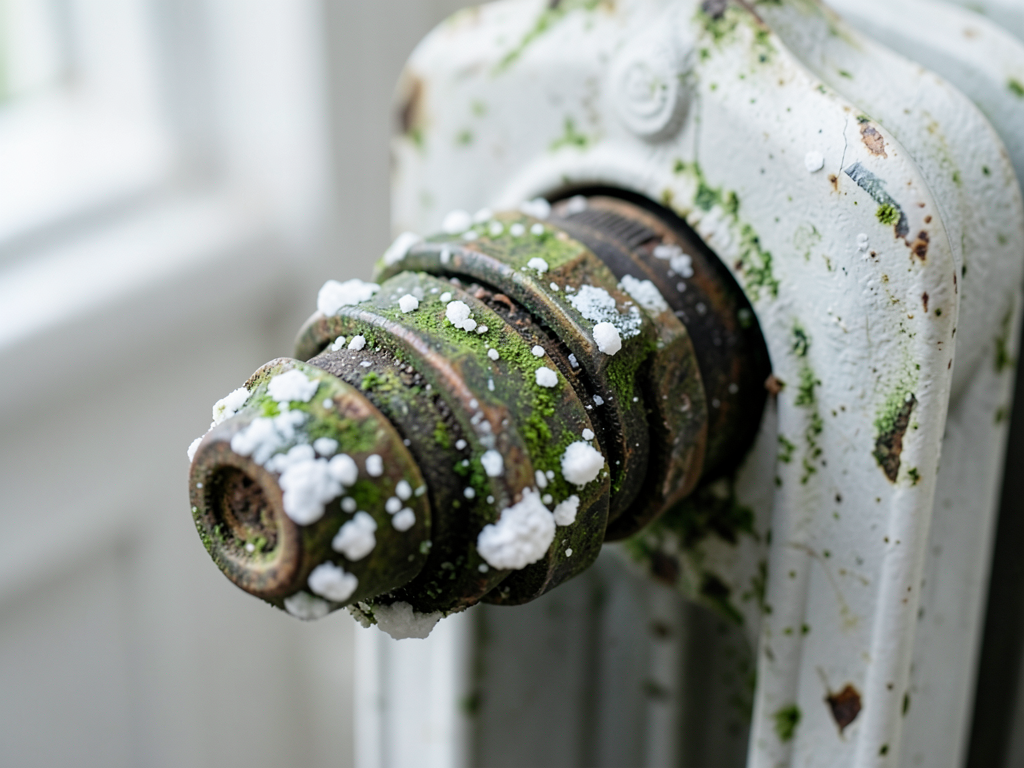
Signs your historic steam radiators in LeDroit Park are leaking behind the baseboards A hissing sound from your radiator is normal during heating cycles but persistent hissing or gurgling that continues after the system cycles…
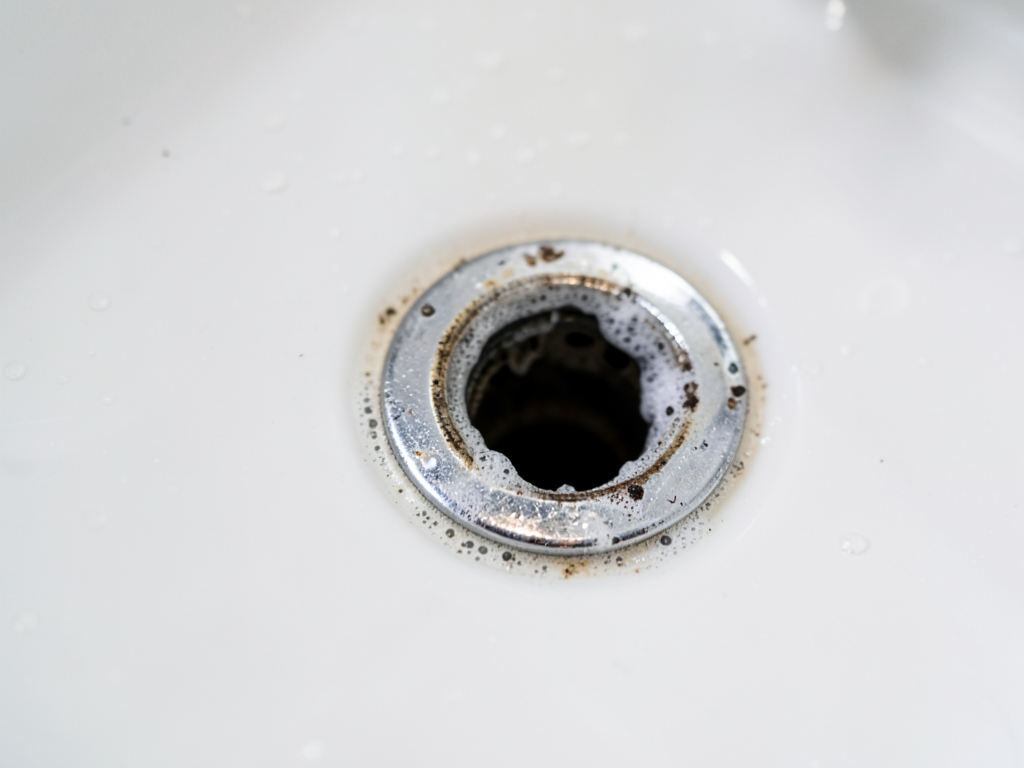
Why the overflow hole in your Chinatown bathroom sink isn’t actually saving your floors When…
Turning your Barney Circle garage into a bedroom (And how to keep it from flooding)…
A renter’s guide to emergency water damage rights in Truxton Circle Water damage in your…
Water spreads through your property every minute you wait. Reliance Water Damage Restoration Washington DC responds in 60 minutes or less across all DC quadrants. Call our emergency line now at (771) 223-8077 for immediate dispatch and damage containment.